What does a Distribution Operations Manager do?
A Distribution Operations Manager oversees the smooth functioning of distribution processes. This person ensures that products are delivered to the right places at the right times. They coordinate between different teams and manage logistics to keep operations running efficiently.
The role involves monitoring inventory levels, coordinating with suppliers, and handling transportation logistics. Distribution Operations Managers also work to resolve any issues that arise in the supply chain. This position requires strong organizational skills and the ability to manage multiple tasks at once. It is a key role in ensuring that businesses can meet customer demands and maintain high levels of service.
How to become a Distribution Operations Manager?
Becoming a Distribution Operations Manager involves a structured process that blends education, experience, and key skills. This career path offers opportunities to manage logistics, optimize supply chains, and ensure timely delivery of goods. With the right approach, one can progress from entry-level positions to a leadership role in distribution operations.
Here are five essential steps to guide someone through this journey:
- Earn a relevant degree. A bachelor’s degree in logistics, supply chain management, or business administration is often required.
- Gain experience in logistics. Work in roles such as logistics coordinator or supply chain analyst to build practical skills.
- Develop key skills. Focus on learning about inventory management, transportation logistics, and warehouse operations.
- Seek certifications. Consider certifications like Certified Supply Chain Professional (CSCP) to enhance credentials.
- Advance to management. Apply for managerial positions and continue to develop leadership skills.
How long does it take to become a Distribution Operations Manager?
The journey to becoming a Distribution Operations Manager offers a rewarding career path. This role requires a mix of education and experience. Most people complete a bachelor’s degree in business or a related field. This typically takes four years.
After earning a degree, gaining experience is key. Many professionals start in entry-level positions within logistics or supply chain management. Working in these roles helps build a solid foundation. This experience often lasts two to five years. With this background, managers can then take on more complex tasks. Over time, they can move into leadership positions. This might include roles such as Operations Supervisor or Logistics Coordinator. This career progression can take about three to five years. Altogether, it can take seven to twelve years to reach the position of a Distribution Operations Manager. Patience and dedication are vital to success in this field.
Distribution Operations Manager Job Description Sample
The Distribution Operations Manager is responsible for overseeing and managing the day-to-day operations of the distribution center. This includes managing staff, ensuring efficient and accurate order fulfillment, maintaining inventory levels, and optimizing distribution processes to meet customer demands and company goals.
Responsibilities:
- Supervise and coordinate the activities of distribution center staff, including hiring, training, and performance management.
- Develop and implement operational strategies to optimize distribution processes, reduce costs, and improve efficiency.
- Monitor and manage inventory levels to ensure adequate stock for order fulfillment, minimizing overstock and stockouts.
- Ensure timely and accurate order processing and delivery, adhering to service level agreements and customer expectations.
- Collaborate with other departments, such as sales, marketing, and procurement, to align distribution strategies with overall business objectives.
Qualifications
- Bachelor’s degree in Operations Management, Business Administration, or a related field.
- Minimum of 5 years of experience in distribution or supply chain management, with at least 2 years in a managerial role.
- Strong understanding of warehouse and distribution operations, including inventory control, order processing, and logistics.
- Proven experience in team management and leadership, with the ability to motivate and develop staff.
- Proficiency in using warehouse management systems (WMS) and other distribution software.
Is becoming a Distribution Operations Manager a good career path?
Distribution Operations Managers oversee the logistics and management of products moving from suppliers to customers. This role involves coordinating the flow of goods, managing inventory, and ensuring timely deliveries. Managers must work closely with teams in warehousing, shipping, and receiving. They need strong organizational and leadership skills. The role requires attention to detail and the ability to solve problems quickly.
Working as a Distribution Operations Manager offers many benefits. It can be a stable and well-paying career. Managers can advance to higher positions with experience. They play a key role in keeping businesses running smoothly. However, the job also has challenges. It can be stressful, with long hours and tight deadlines. Managers must handle unexpected issues quickly. The job requires constant communication with many different departments.
Here are some pros and cons to think about:
- Pros:
- Good pay and job stability
- Opportunities for career growth
- Important role in business operations
- Cons:
- High stress levels
- Long hours and tight deadlines
- Need to quickly solve problems
- Constant communication with many teams
What is the job outlook for a Distribution Operations Manager?
The role of a Distribution Operations Manager is key in ensuring efficient logistics and supply chain operations. The Bureau of Labor Statistics (BLS) shows that, on average, 800 new job positions open up each year. Despite a projected decrease of 6.7% in job openings from 2022 to 2032, this field remains essential. Companies continue to value strong distribution operations to maintain their supply chains and meet customer demands.
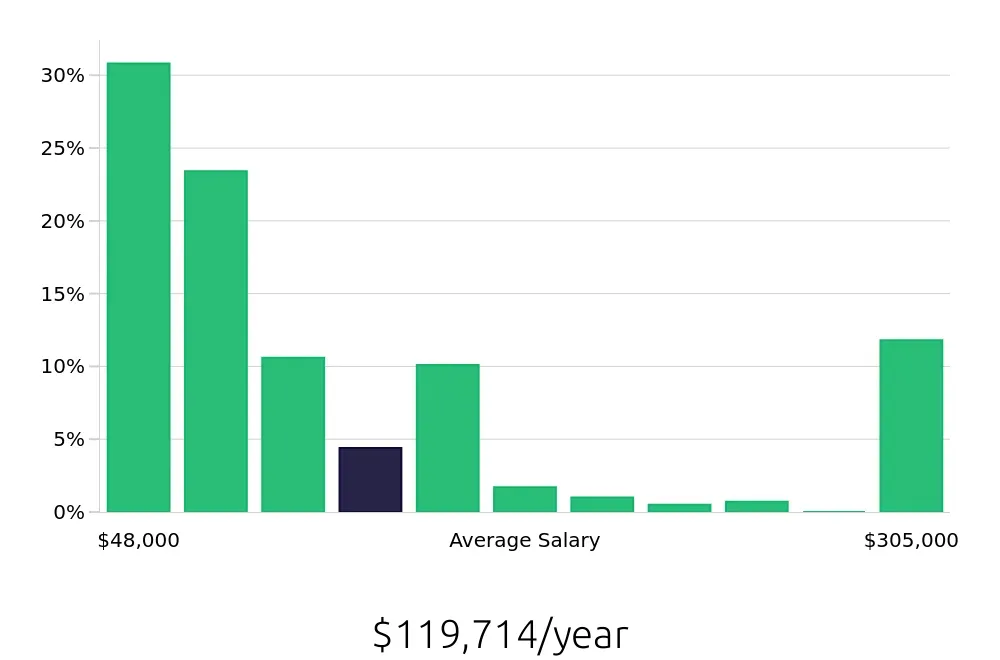
A Distribution Operations Manager typically earns a solid average national annual compensation of $89,770. This includes benefits and bonuses, making it a rewarding career choice. Hourly compensation stands at $43.16, reflecting the skill and responsibility required in the role. These figures highlight the financial stability that can come with this profession, attracting many job seekers.
The demand for efficient distribution remains strong despite the projected decrease in job openings. Companies need skilled managers to optimize their supply chains and manage their operations effectively. This role offers opportunities for those who can manage logistics, coordinate distribution, and ensure timely delivery of goods. With the right skills, job seekers can find good opportunities in this field.
Currently 42 Distribution Operations Manager job openings, nationwide.
Continue to Salaries for Distribution Operations Manager