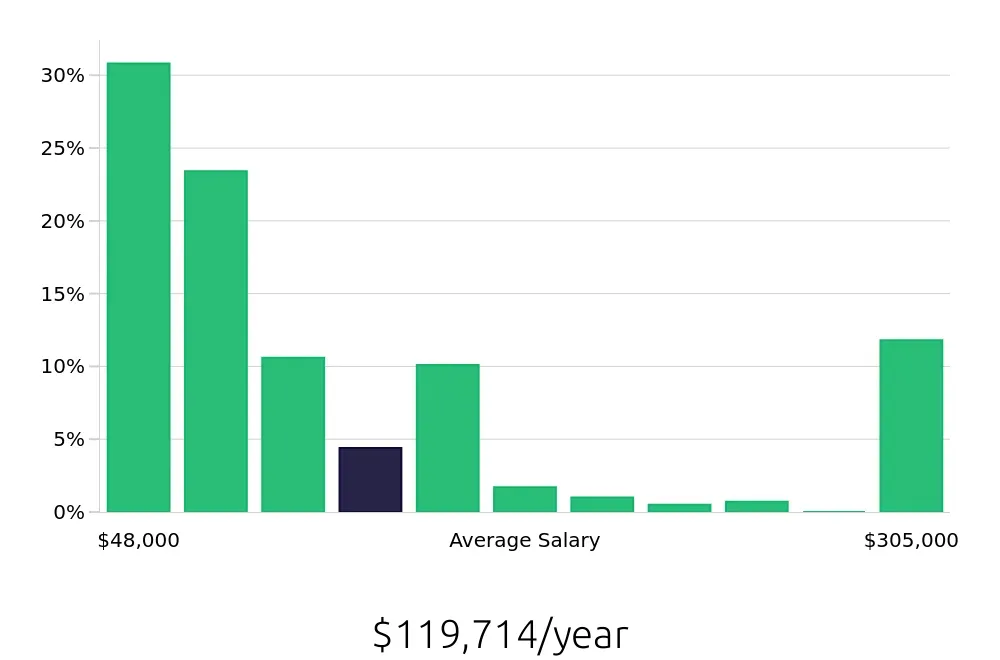
A Distribution Operations Manager plays a key role in the supply chain. They ensure that goods move efficiently from one place to another. This role offers many opportunities to increase earnings. A manager can boost their salary by focusing on several important factors.
First, gaining experience in different areas of distribution can help. Understanding various aspects of the supply chain makes a manager more valuable. Knowledge in logistics, inventory management, and customer service is crucial. Each of these areas adds to the manager's skill set.
Second, developing strong leadership skills is important. A good manager can lead a team effectively. This includes motivating employees and resolving conflicts. These skills lead to a smoother operation and better results.
Third, obtaining relevant certifications can make a difference. Certifications in supply chain management show a commitment to the field. They also prove the manager's knowledge and skills. Certifications can open up higher-paying job opportunities.
Fourth, staying updated with the latest technology is key. Technology in distribution is always improving. Managers who use the latest tools and software can increase efficiency. This leads to cost savings and better performance.
Fifth, networking with other professionals can lead to new opportunities. Attending industry conferences and joining professional groups helps. It allows the manager to learn from others and find job openings.
- Gain experience in different distribution areas
- Develop strong leadership skills
- Obtain relevant certifications
- Stay updated with the latest technology
- Network with other professionals