What does a Division Chief do?
A Division Chief plays a key role within an organization by overseeing a specific division or department. This leader is responsible for managing a team of professionals and ensuring that projects are completed on time and within budget. The Division Chief collaborates with upper management to set goals and develop strategies that align with the company's objectives. They also ensure that their team has the necessary resources and support to achieve their targets.
Responsibilities of a Division Chief include setting performance goals, conducting performance evaluations, and providing training and development opportunities for team members. They also work closely with other department heads to coordinate activities and ensure seamless integration of various functions. Communication skills are vital, as the Division Chief must convey information clearly to both team members and upper management. Effective leadership and problem-solving abilities are essential for this role, as the Division Chief must handle challenges and make decisions that impact the division's success.
The Division Chief also plays a crucial role in fostering a positive and productive work environment. This involves recognizing and rewarding outstanding performance and addressing any issues that may arise. By creating a culture of collaboration and continuous improvement, the Division Chief helps to drive the division’s success and contribute to the overall growth of the organization.
How to become a Division Chief?
Becoming a Division Chief is a rewarding goal that requires dedication and strategic planning. This career path is ideal for those who excel in leadership, management, and industry-specific expertise. By following a clear process, professionals can position themselves for success and advancement within their organization.
Here are five essential steps to help professionals pursue and achieve the role of Division Chief:
- Gain Relevant Experience: Start by gaining experience in your chosen field. Focus on roles that build your skills in management, leadership, and industry knowledge. Aim for positions that offer opportunities to lead projects or teams.
- Pursue Advanced Education: Consider obtaining advanced degrees or certifications that enhance your qualifications. Programs such as an MBA or specialized certifications can be beneficial. They show a commitment to professional growth and knowledge.
- Develop Leadership Skills: Work on developing strong leadership abilities. Take on leadership roles in projects and initiatives. Seek feedback and continuously improve your ability to inspire and guide teams.
- Network and Build Connections: Networking is crucial. Connect with industry professionals and leaders. Attend conferences, join professional associations, and participate in community events. Building a strong professional network can open doors to new opportunities.
- Apply for Division Chief Positions: Once ready, start applying for Division Chief roles. Tailor your resume and cover letter to highlight your leadership experience, education, and skills. Prepare for interviews by practicing common questions and showcasing your achievements.
How long does it take to become a Division Chief?
The journey to becoming a Division Chief often involves several years of experience and education. Most professionals start by gaining expertise in their field. This may mean getting a college degree or completing specific training. Experience plays a big role too. Many start in junior positions and move up through the ranks.
Career progression can vary. It often depends on the industry and the organization. Some take 5-10 years to reach a managerial role. Others may need 15 years or more. Key steps include gaining leadership skills, networking, and seeking mentorship. Being proactive and showing dedication helps speed up the process. Each person’s path is unique, but persistence and a clear career goal make a difference.
Division Chief Job Description Sample
The Division Chief will lead and oversee the operations of a specific division within the organization. This role requires strong leadership skills, strategic planning abilities, and a deep understanding of the division's objectives and operations.
Responsibilities:
- Develop and implement strategic plans to achieve the division's objectives.
- Supervise and manage division staff, ensuring high performance and productivity.
- Oversee day-to-day operations of the division, ensuring they align with the overall organizational goals.
- Prepare and manage the division's budget, allocating resources efficiently.
- Collaborate with other division chiefs and senior management to align division goals with the organization's mission.
Qualifications
- Bachelor's degree in Business Administration, Management, or a related field. A Master's degree is preferred.
- Minimum of 10 years of experience in a leadership role, with at least 5 years in a similar position.
- Proven track record of managing and leading teams to achieve organizational goals.
- Strong strategic planning and problem-solving skills.
- Excellent communication and interpersonal skills.
Is becoming a Division Chief a good career path?
The role of a Division Chief holds significant responsibility and influence within an organization. This career path involves overseeing multiple teams and ensuring the division meets its strategic objectives. A Division Chief must have strong leadership skills, strategic thinking, and the ability to manage complex projects. This position offers the opportunity to shape the direction of the division and impact the overall success of the organization.
Working as a Division Chief comes with its own set of challenges and rewards. It is important to consider both the pros and cons before pursuing this career path. One of the key advantages is the ability to lead and inspire a team, fostering a collaborative and productive work environment. Division Chiefs also have the opportunity to make strategic decisions that can drive growth and innovation within the organization. However, the role can be demanding, requiring long hours and a high level of responsibility. Additionally, the pressure to meet performance targets and drive results can be intense. A Division Chief must be prepared to handle these challenges while balancing the needs of the team and the organization.
Below are some pros and cons to consider:
- Pros:
- Leadership and team management opportunities
- Strategic decision-making capabilities
- Influence on the direction of the division
- Cons:
- High levels of responsibility and pressure
- Demanding work hours
- Need to balance team and organizational needs
What is the job outlook for a Division Chief?
A career as a Division Chief offers a stable and promising job outlook. According to the Bureau of Labor Statistics (BLS), the role sees an average of 44,100 job positions per year. This figure reflects a consistent demand for qualified professionals. The BLS projects a 1.6% increase in job openings from 2022 to 2032, indicating a steady rise in demand for Division Chiefs. This growth suggests a positive trend for those seeking long-term career stability and advancement opportunities in this field.
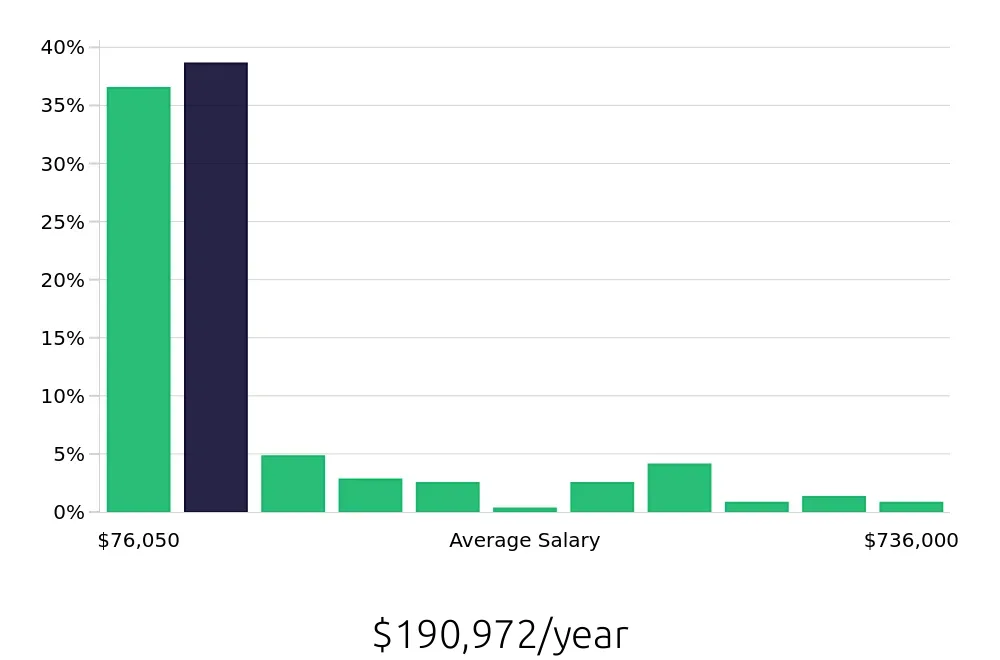
Financial prospects for Division Chiefs are also strong. The average national annual compensation stands at $107,830, as reported by the BLS. This figure highlights the rewarding nature of the role in terms of earnings. Additionally, the average hourly compensation is $51.84, reflecting the value placed on the expertise and leadership skills of Division Chiefs. These figures make the role attractive to job seekers looking for a balance between job satisfaction and financial rewards.
The combination of a steady job outlook and competitive compensation makes the position of Division Chief an excellent choice for professional job seekers. The role not only provides a secure career path but also offers the potential for significant earnings. For those considering this career path, these factors present a compelling opportunity to advance and excel in their professional journey.
Currently 59 Division Chief job openings, nationwide.
Continue to Salaries for Division Chief