What does a Documentation Specialist do?
A Documentation Specialist plays a key role in ensuring that information is clear and accessible. This role involves creating and maintaining documents, manuals, and guides for a company. The Documentation Specialist works with different teams to understand the content they need to document. They then turn that information into easy-to-follow documents. This includes writing, editing, and organizing text to make it simple and useful.
The Documentation Specialist also updates existing documents to keep them current. They often work with software and technical teams. This helps them understand the systems and processes they need to document. They use tools to manage documentation, ensuring it is easy to access and use. The goal is to make sure everyone in the company can find the information they need quickly. This role helps teams work more efficiently and reduces confusion.
Responsibilities of a Documentation Specialist can include:
- Gathering information from various sources
- Writing and editing clear and concise documents
- Organizing documents for easy access
- Updating documents to reflect changes
- Collaborating with different teams to ensure accuracy
How to become a Documentation Specialist?
Becoming a Documentation Specialist involves a series of focused steps. This career path requires a blend of technical writing skills, attention to detail, and the ability to create clear and concise documentation. Following a structured approach can help individuals successfully transition into this role.
The journey to becoming a Documentation Specialist begins with gaining the necessary education and skills. It continues with gaining relevant experience and building a portfolio. Networking and staying updated on industry trends are also essential. Here are the steps to follow:
- Obtain a relevant degree or certification: A background in technical writing, communications, or a related field can be beneficial. Some choose to pursue certifications in technical writing or documentation.
- Develop strong writing skills: Clear and concise writing is crucial. Practice writing documentation and seek feedback to improve.
- Gain experience: Look for internships or entry-level positions in technical writing or documentation. Volunteer to write documentation for open-source projects to build a portfolio.
- Build a portfolio: Create a collection of your best work. This can include sample documents, reports, and any other relevant writing projects.
- Network and stay informed: Attend industry conferences, join professional organizations, and follow relevant blogs and forums. Networking can open doors to job opportunities.
How long does it take to become a Documentation Specialist?
Getting started as a Documentation Specialist usually involves a mix of education and practical experience. Most employers look for candidates with a high school diploma or GED. Some positions may require additional training or a degree in a related field. Many people choose to take courses in technical writing, computer science, or information technology.
The time it takes to gain the necessary skills can vary. Short-term certificate programs last from a few months to a year. Longer degree programs can take two to four years. Some people learn on the job. They gain experience through internships or entry-level positions in related fields. Employers often provide on-the-job training to help new hires become effective Documentation Specialists. This training can last from a few weeks to several months.
Documentation Specialist Job Description Sample
We are seeking a highly skilled Documentation Specialist to join our team. The ideal candidate will be responsible for creating, maintaining, and updating technical and non-technical documentation to ensure clarity, accuracy, and consistency across all company materials. This role requires strong communication skills, attention to detail, and the ability to work collaboratively with cross-functional teams.
Responsibilities:
- Develop, create, and maintain comprehensive and accurate documentation for technical and non-technical audiences.
- Collaborate with cross-functional teams to gather information and ensure documentation meets organizational standards.
- Review and update existing documentation to reflect changes in policies, procedures, and products.
- Utilize documentation tools and software to produce high-quality documents, including user manuals, product guides, and internal policies.
- Provide training and support to team members on documentation best practices and tools.
Qualifications
- Bachelor’s degree in Technical Writing, Communications, or a related field.
- Proven experience as a Documentation Specialist or similar role.
- Strong writing, editing, and proofreading skills.
- Proficiency in documentation tools and software (e.g., Microsoft Office Suite, Adobe Acrobat, MadCap Flare, etc.).
- Ability to understand complex technical concepts and translate them into clear, concise documentation.
Is becoming a Documentation Specialist a good career path?
A Documentation Specialist plays a key role in creating, managing, and maintaining technical documents and guides. This role involves working closely with technical teams to ensure that all information is clear, accurate, and easily accessible. Whether writing user manuals, product guides, or internal process documents, a Documentation Specialist helps organizations communicate effectively. This role is important in industries like software development, healthcare, and engineering, where precise and clear documentation is vital.
Being a Documentation Specialist offers several benefits. First, this job allows for a mix of writing and technical skills, making it suitable for those who enjoy both tasks. It also provides the chance to work with different teams and understand various aspects of a business. The need for good documentation continues to grow as more companies focus on digital transformation and customer support.
However, there are some challenges to consider. The work can be repetitive, requiring careful attention to detail. It may also involve tight deadlines, especially when updates or new releases are imminent. Additionally, the role might involve some isolation, as it can be a solo task rather than a team effort.
- Pros:
- Flexible mix of writing and technical skills
- Opportunity to work with different teams
- Growing demand in many industries
- Cons:
- Repetitive tasks needing detailed attention
- Frequent deadlines for updates and releases
- Potential for isolation as a solo task
What is the job outlook for a Documentation Specialist?
Becoming a Documentation Specialist offers a promising job outlook for aspiring professionals. The Bureau of Labor Statistics (BLS) reports that there are around 33,500 job positions available each year. This number is expected to grow by 9.7% from 2022 to 2032. This steady growth offers ample opportunities for those looking to enter this field. With this positive trend, job seekers can anticipate a stable and expanding career path.
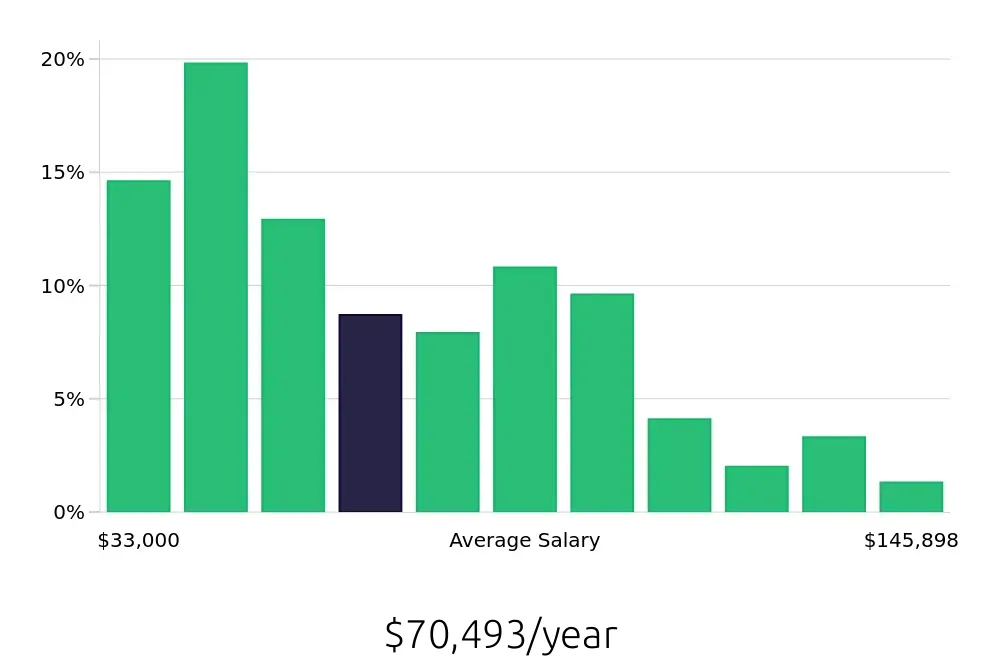
Compensation for Documentation Specialists is competitive as well. The BLS states that the average annual salary stands at $112,430. This figure highlights the value placed on skilled professionals in this role. In addition, the average hourly rate is $54.05. Such earnings reflect the importance of effective documentation in various industries. Professionals in this role often enjoy good financial rewards for their expertise.
For those considering this career, the future looks bright. With consistent job availability and solid compensation, a role as a Documentation Specialist is both accessible and rewarding. Aspiring professionals should take note of these encouraging trends as they plan their career paths. The combination of job outlook and salary makes this a compelling field for job seekers.
Currently 248 Documentation Specialist job openings, nationwide.
Continue to Salaries for Documentation Specialist