What does a Employment Specialist do?
An Employment Specialist plays a key role in helping individuals with disabilities find and maintain suitable jobs. This professional works closely with clients to understand their skills, interests, and limitations. The Employment Specialist then matches these clients with jobs that suit their abilities and career goals.
The role involves several key duties. First, the Employment Specialist conducts assessments to identify the strengths and needs of each client. They then create personalized job search plans. These plans may include training, workshops, or direct job placement services. The Employment Specialist also coordinates with employers to promote job opportunities for their clients. They provide support and resources to ensure clients can succeed in their new roles. This position requires strong communication skills, patience, and a commitment to helping others achieve their career aspirations.
How to become a Employment Specialist?
Becoming an Employment Specialist involves several key steps that lead to a rewarding career in helping others find and maintain jobs. This profession focuses on assisting individuals in job searches, resume writing, and interview preparation. By following a clear process, job seekers can successfully transition into this role.
First, gaining a foundational understanding of employment services is essential. This involves researching the role of an Employment Specialist and the services they provide. Next, acquiring relevant education and training is crucial. This may include a degree in human resources, social services, or a related field. Certifications in career counseling or job coaching can also be beneficial. After completing education, gaining practical experience through internships or entry-level positions in job placement or human resources is important. Networking with professionals in the field can provide valuable insights and opportunities. Finally, obtaining necessary certifications and licenses can enhance job prospects and credibility in the role.
To summarize, the journey to becoming an Employment Specialist involves these steps:
- Research the role and responsibilities of an Employment Specialist.
- Acquire relevant education and training, such as a degree or certifications.
- Gain practical experience through internships or entry-level positions.
- Network with professionals in the field to gain insights and opportunities.
- Obtain necessary certifications and licenses to enhance job prospects.
How long does it take to become a Employment Specialist?
To enter the field of employment support, a clear understanding of the time commitment needed is essential. Generally, the journey to becoming an Employment Specialist involves several steps. These include education, experience, and potential certifications. Most entry-level positions require at least an associate degree in human services or a related field. This degree typically takes about two years to complete.
After earning the degree, gaining experience through internships or entry-level roles helps build the necessary skills. Employment Specialists often work with job seekers to help them find and maintain employment. This role requires strong communication and problem-solving skills. Some states may require additional certifications or licenses, adding to the timeline. Overall, candidates can expect to spend at least two to four years preparing for this rewarding career.
Employment Specialist Job Description Sample
The Employment Specialist is responsible for providing career counseling, job search assistance, and employment support to individuals seeking job opportunities. The specialist will help clients develop resumes, prepare for interviews, and connect them with potential employers. This role requires strong communication skills and the ability to work with diverse populations.
Responsibilities:
- Assist clients in identifying career goals and developing job search strategies.
- Provide guidance on resume writing, cover letter development, and interview preparation.
- Conduct job readiness assessments and develop individualized action plans for clients.
- Maintain accurate and up-to-date records of client interactions and progress.
- Collaborate with employers to promote job opportunities and understand their hiring needs.
Qualifications
- Bachelor’s degree in Human Services, Social Work, Psychology, or a related field.
- Minimum of 2 years of experience in employment services or a related field.
- Strong interpersonal and communication skills.
- Ability to work with a diverse population and understand their unique challenges.
- Proficiency in using job placement software and Microsoft Office applications.
Is becoming a Employment Specialist a good career path?
Working as an Employment Specialist offers many opportunities for professional growth and personal fulfillment. These specialists help people with disabilities find jobs that match their skills. They work closely with clients to create personalized job plans. This role combines social work and career counseling, providing a unique work experience. Companies in healthcare, non-profits, and government agencies often hire Employment Specialists.
This career path has several benefits. Specialists can see their clients succeed in their careers. They often have flexible work hours and can work in various environments. Networking opportunities with businesses and community organizations are also plentiful. However, the job can be challenging. Employment Specialists need to be patient and persistent. They often deal with difficult situations and tight deadlines. Emotional stress from helping clients can also be a factor.
When considering this role, it helps to know the pros and cons:
- Pros:
- Helps people find fulfilling jobs
- Flexible work hours
- Opportunities for professional growth
- Variety of work environments
- Good networking opportunities
- Cons:
- Can be emotionally challenging
- Requires patience and persistence
- Deals with difficult situations
- Potential for tight deadlines
What is the job outlook for a Employment Specialist?
Job seekers looking to enter the field of employment services will find the role of an Employment Specialist to be quite promising. The Bureau of Labor Statistics (BLS) reports an average of 84,100 job positions available per year. This consistent demand shows a healthy job market for those pursuing this career. A 5.4% percent change in job openings from 2022 to 2032 suggests continued growth. This growth makes the Employment Specialist role a smart choice for job seekers.
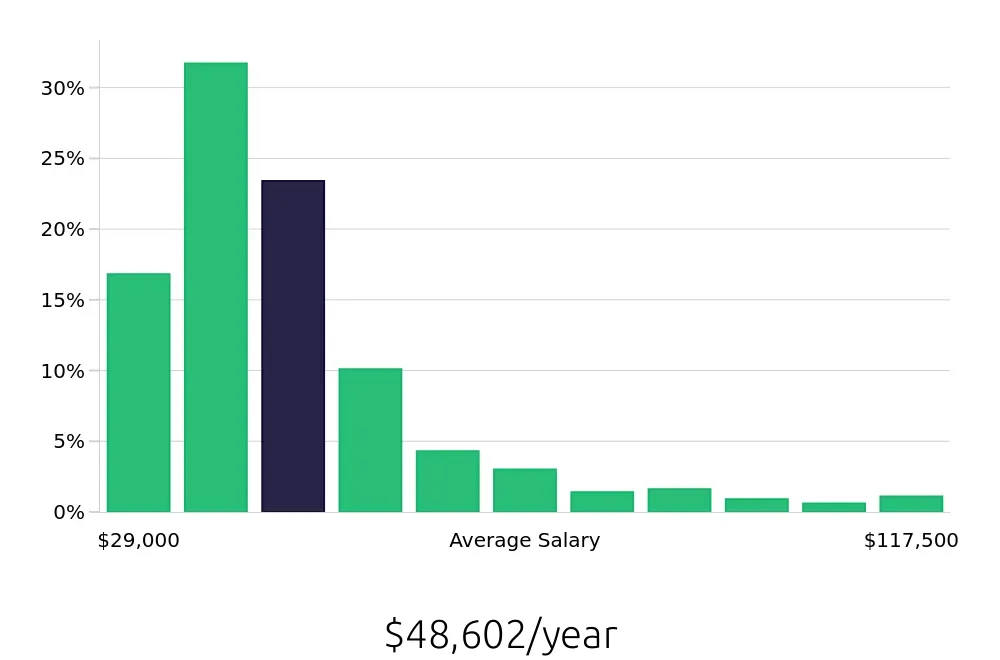
The BLS also provides valuable information on compensation. Employment Specialists can expect an average national annual compensation of $77,260. This figure offers a clear picture of the financial rewards of this profession. Hourly compensation stands at $37.15. This competitive pay reflects the skills and dedication needed for the role. Job seekers can look forward to both job security and attractive earnings.
In summary, the job outlook for Employment Specialists is strong and positive. With a steady flow of job openings and attractive compensation, this career path is well worth considering. The data from the BLS highlights a stable job market and good earning potential. Job seekers aiming for a rewarding career in employment services will find the Employment Specialist role to be a solid choice.
Currently 523 Employment Specialist job openings, nationwide.
Continue to Salaries for Employment Specialist