What does a Environmental Coordinator do?
An Environmental Coordinator plays a vital role in ensuring that businesses and organizations adhere to environmental regulations and practices. This professional assesses the environmental impact of company operations and develops strategies to minimize their footprint. They work closely with various departments to implement sustainable practices, manage waste, and monitor compliance with environmental laws.
Responsibilities of an Environmental Coordinator include conducting environmental audits, preparing reports, and providing training to staff. They analyze data to identify areas for improvement and propose solutions to reduce energy consumption and waste production. This role often involves collaborating with external agencies and community groups to promote environmental awareness and sustainability.
How to become a Environmental Coordinator?
Becoming an Environmental Coordinator involves a series of steps aimed at ensuring compliance with environmental regulations and promoting sustainability practices within organizations. To achieve this role, one must prepare a solid foundation in environmental science and business practices. This career path requires dedication and a keen interest in environmental conservation.
Here are the steps to becoming an Environmental Coordinator:
- Complete high school education. A solid foundation starts with completing high school.
- Earn a bachelor's degree. Most employers look for candidates with at least a bachelor's degree in environmental science, environmental management, or a related field.
- Gain relevant experience. Internships, volunteer work, or entry-level positions in environmental science can provide valuable hands-on experience.
- Consider additional certifications. Obtaining certifications in environmental management systems or specific regulations can enhance your qualifications.
- Apply for positions. Look for job openings in environmental consulting firms, government agencies, or corporations. Tailor your resume to highlight relevant skills and experiences.
How long does it take to become a Environmental Coordinator?
Becoming an Environmental Coordinator requires dedication and education. Most start with a bachelor's degree in environmental science, biology, or a related field. This degree takes about four years to complete. Many choose to study full-time to finish faster. Some programs offer accelerated options, which may shorten the time.
After earning a degree, gaining experience is key. Some roles require a few years of related work experience. This could mean working in environmental consulting, government agencies, or non-profits. Experience helps build skills and knowledge. Many coordinators spend at least two to four years in related jobs before moving into this role. Certifications can also help. These can add to your expertise and make you more competitive.
Environmental Coordinator Job Description Sample
The Environmental Coordinator is responsible for overseeing and implementing environmental programs, policies, and practices within the organization. This role involves ensuring compliance with environmental regulations, coordinating sustainability initiatives, and promoting environmental awareness among employees and stakeholders.
Responsibilities:
- Develop, implement, and monitor environmental policies and procedures in accordance with local, state, and federal regulations.
- Conduct environmental audits and assessments to identify areas for improvement and ensure compliance with environmental laws and regulations.
- Coordinate with internal departments and external stakeholders to promote environmental sustainability and reduce the organization's environmental footprint.
- Prepare and maintain environmental reports, documentation, and records as required by regulatory agencies.
- Provide training and education to employees on environmental policies, procedures, and best practices.
Qualifications
- Bachelor's degree in Environmental Science, Environmental Management, or a related field.
- Minimum of 3-5 years of experience in an environmental coordination or similar role.
- Strong knowledge of environmental regulations, policies, and best practices.
- Excellent communication, organizational, and problem-solving skills.
- Ability to work collaboratively with various departments and external stakeholders.
Is becoming a Environmental Coordinator a good career path?
Environmental Coordinators play a vital role in ensuring businesses comply with environmental regulations. They work with teams to develop and implement sustainability practices. This role often involves conducting site inspections, analyzing data, and creating reports. It requires a mix of technical knowledge and teamwork skills.
Environmental Coordinators enjoy a mix of office and fieldwork. They can see the direct impact of their work on the environment. This role often leads to opportunities for advancement within a company. However, it can also be a demanding job with long hours, especially when projects are due. Coordinators must stay updated on changing environmental laws and regulations. The job can be stressful when dealing with non-compliant sites or difficult stakeholders.
Consider the following pros and cons when thinking about a career as an Environmental Coordinator:
- Pros:
- Helps protect the environment.
- Opportunities to travel to different work sites.
- Chance to make a positive impact on communities.
- Cons:
- Can involve long hours and deadlines.
- Must stay updated on laws and regulations.
- May face resistance from stakeholders.
What is the job outlook for a Environmental Coordinator?
The job outlook for Environmental Coordinators appears promising for those seeking a role in this field. The Bureau of Labor Statistics (BLS) reports that, on average, 3,400 job positions are available each year. This steady demand indicates a robust need for skilled professionals in this role. With an expected percent change of 6.1% in job openings from 2022 to 2032, the field continues to grow, offering numerous opportunities for job seekers.
Environmental Coordinators play a vital role in ensuring that businesses and organizations comply with environmental regulations. Their responsibilities include developing and implementing environmental policies, conducting assessments, and promoting sustainability practices. These duties are crucial in an era where environmental consciousness is more important than ever, further boosting the demand for qualified Environmental Coordinators. With the growing emphasis on sustainability, the outlook for this career remains positive.
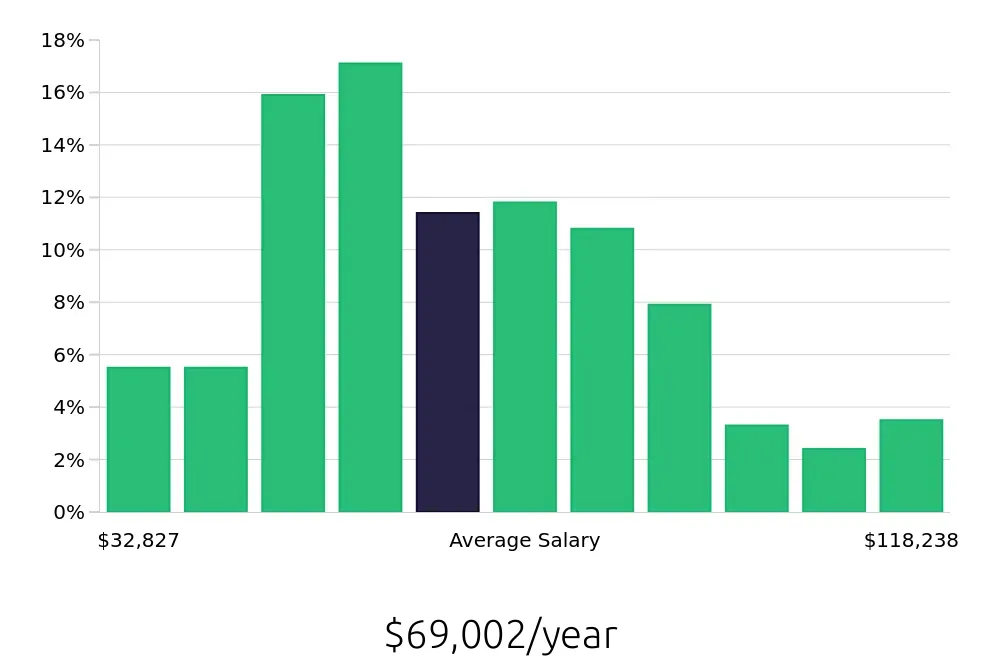
For job seekers, the financial rewards of becoming an Environmental Coordinator are also attractive. The BLS reports an average national annual compensation of $105,840, along with an average national hourly compensation of $50.89. These figures highlight the potential for a stable and well-compensated career in this field. Job seekers can look forward to both professional growth and financial stability in the role of an Environmental Coordinator.
Currently 68 Environmental Coordinator job openings, nationwide.
Continue to Salaries for Environmental Coordinator