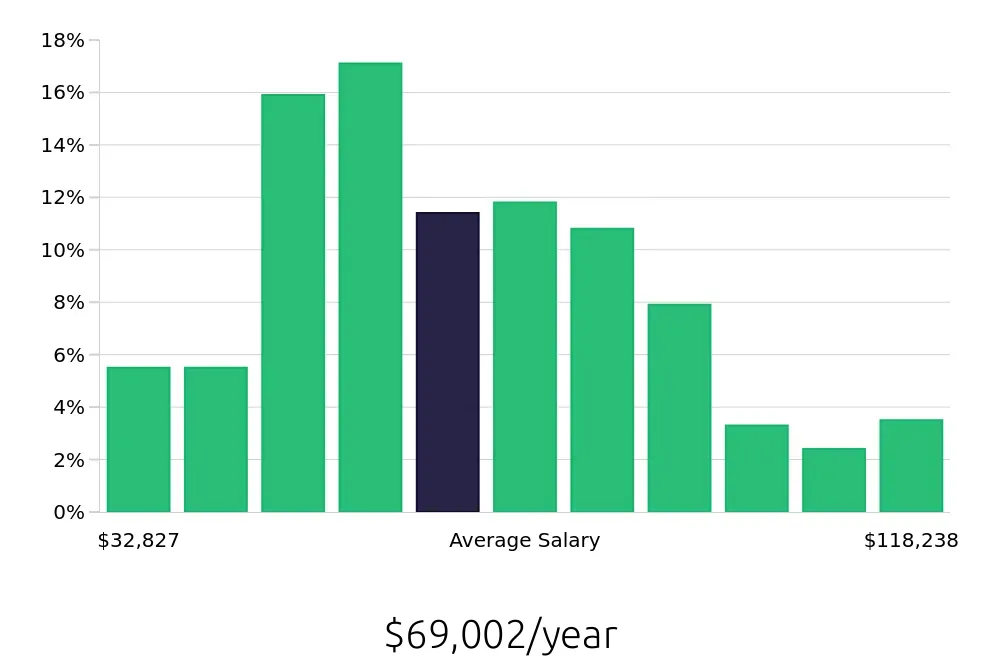
Becoming an Environmental Coordinator offers many opportunities for career growth and increased earnings. By focusing on the right strategies, job seekers can enhance their value in this role. One way to achieve higher pay is through gaining additional certifications and training in specialized areas of environmental science. For instance, certifications in hazardous waste management or air quality monitoring can make a candidate more attractive to employers and open doors to higher-paying positions.
Another factor to consider is gaining experience in various industries. An Environmental Coordinator with experience in multiple sectors, such as construction, manufacturing, and healthcare, can leverage this diverse background to command a higher salary. Networking with professionals in different industries and seeking out diverse job opportunities can lead to better-paying roles. Additionally, advancing to leadership positions, such as an Environmental Manager or Director of Sustainability, can significantly increase earnings. These roles often come with higher responsibility and require a proven track record of successful project management and team leadership.
Seeking opportunities for professional development and continuing education is crucial. Attending workshops, conferences, and obtaining advanced degrees in environmental science or related fields can enhance skills and knowledge. An Environmental Coordinator who stays updated with the latest industry trends and technologies can offer more to employers and justify higher compensation. Lastly, considering positions in regions with higher living costs and greater demand for environmental professionals can also lead to increased earnings.
To summarize, here are the key factors to earn more as an Environmental Coordinator:
- Obtain specialized certifications and training
- Gain experience in multiple industries
- Advance to leadership positions
- Pursue ongoing professional development
- Consider regional job opportunities