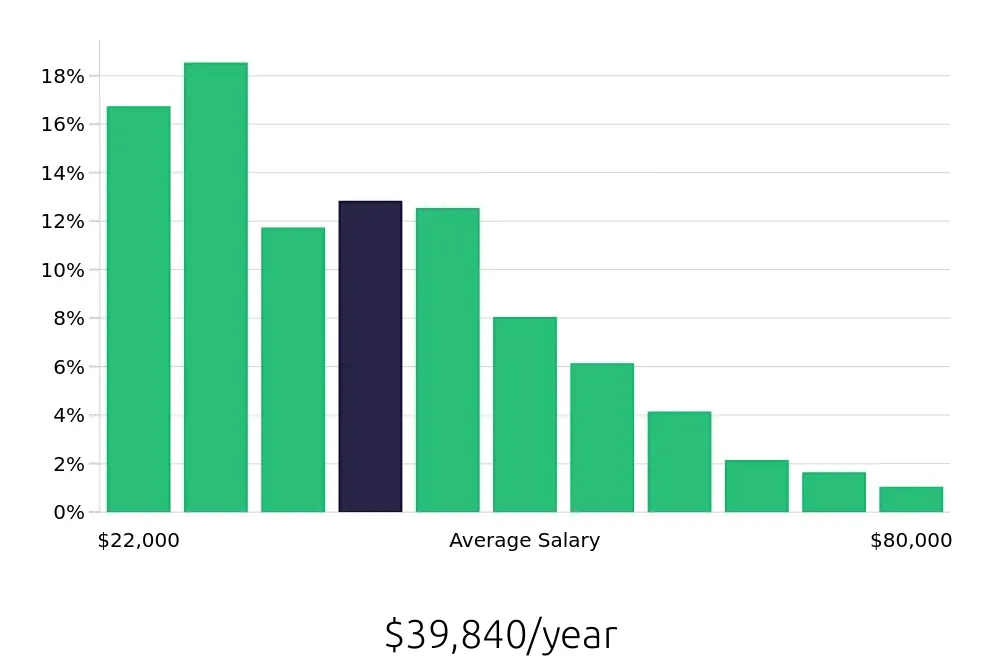
What does a Expediter do?
An expediter plays a crucial role in the smooth operation of a warehouse or factory. This role involves coordinating the movement of goods. The expediter ensures that everything moves on time. They work closely with various teams to monitor schedules. They keep track of shipments and deliveries. This role requires strong communication skills. The expediter must keep all parties informed about any changes.
Responsibilities of an expediter include managing inventory levels. They help plan the layout of the warehouse to optimize space. They also troubleshoot any issues that arise. This person keeps detailed records of all transactions. They often use software to track shipments and inventory. Attention to detail is key. The expediter must ensure accuracy in all records. They must also stay organized and focused. This role is vital for keeping operations running smoothly and efficiently.
How to become a Expediter?
Becoming an expediter can lead to a rewarding career in logistics and supply chain management. This role involves ensuring that projects run smoothly and on time. Follow these steps to start a successful career as an expediter.
Understanding the process can help job seekers prepare and succeed. Here are five essential steps:
- Learn the Basics: Research what an expediter does. This person manages schedules, monitors progress, and resolves issues quickly. Knowing the job's responsibilities helps in preparing for the role.
- Gain Relevant Experience: Seek roles that involve coordination or project management. Experience in logistics, supply chain, or a related field can be very helpful. Each role builds skills and knowledge useful for an expediter.
- Get Educated: While formal education is not always required, taking courses in logistics, business, or management can be beneficial. These courses can provide a solid foundation and improve job prospects.
- Develop Key Skills: Hone skills in communication, problem-solving, and time management. These skills are crucial for an expediter. Practice them in your current job or through additional training.
- Network and Apply: Connect with professionals in the field through job fairs, industry events, and online platforms. Apply for expediter positions with your new skills and experience. Prepare a strong resume and cover letter tailored to the job description.
How long does it take to become a Expediter?
Choosing to become an expediter can lead to a rewarding career with good growth opportunities. This role often serves as a stepping stone into higher positions in logistics and supply chain management. Most expediters start by gaining experience in related fields. This might include warehouse management or customer service.
Training requirements vary. Some expediters complete a certification program. These programs can take a few months. Others enter the field through on-the-job training. Companies often offer this training, and it can last from several weeks to a few months. Experience and skills gained in other logistics roles can also shorten this period. Those with a background in logistics, supply chain, or customer service might find themselves ready to take on an expediting role sooner. It is important to note that while the time frame can vary, commitment to learning and growth can significantly influence how quickly one becomes proficient as an expediter.
Expediter Job Description Sample
The Expediter is responsible for ensuring the timely movement and delivery of goods and materials within the facility. This role involves coordinating with various departments to facilitate the smooth flow of products, managing schedules, and addressing any logistical challenges that may arise.
Responsibilities:
- Coordinate the movement of materials and goods within the facility.
- Communicate with various departments to ensure timely delivery and pickup of items.
- Maintain accurate records of shipments and deliveries.
- Monitor and manage the inventory levels to prevent stockouts and overstock situations.
- Assist in the scheduling and dispatching of shipments.
Qualifications
- High school diploma or equivalent required; additional education in logistics or a related field is a plus.
- Proven experience as an Expediter or in a similar logistics role.
- Strong organizational and time management skills.
- Ability to work in a fast-paced environment and manage multiple tasks simultaneously.
- Proficiency in logistics software and Microsoft Office suite.
Is becoming a Expediter a good career path?
Working as an expediter involves managing the flow of goods or services in a timely manner. This role is key in industries such as manufacturing, logistics, and construction. The expediter ensures that projects meet deadlines and that all materials and resources are available when needed. This position often works closely with different teams, requiring strong organizational and communication skills.
The job of an expediter can offer many benefits. It provides opportunities to develop problem-solving skills and to work in a fast-paced environment. Expediters often see the direct impact of their work on project completion and team efficiency. This role can also lead to advancements in a company, offering a clear path for career growth. However, it is not without its challenges. The job can be stressful due to tight deadlines and the need for quick decision-making. It also requires being flexible and ready to adapt to changing circumstances. Balancing multiple tasks and managing various stakeholders can be demanding.
- Pros:
- Opportunities for skill development
- Clear career advancement path
- Direct impact on project success
- Cons:
- High-stress environment
- Need for quick decision-making
- Flexibility and adaptability required
What is the job outlook for a Expediter?
Seeking a job as an Expediter offers promising opportunities and growth. The Bureau of Labor Statistics (BLS) reports an average of 42,700 job positions available each year. This consistent demand makes the field stable and reliable for job seekers. With a job openings percent change of 4.2% from 2022 to 2032, the outlook for Expediters remains positive. This growth suggests that new positions will continue to open up, providing ample chances for professionals in this role.
Expediters can expect a rewarding compensation package. According to the BLS, the average national annual salary stands at $57,610. This figure highlights the financial benefits of pursuing a career in this field. Hourly compensation averages at $27.7, offering a good pay rate for the work performed. These figures make the role attractive to those considering job opportunities in this area. Prospective Expediters can look forward to both job security and competitive pay.
For job seekers interested in the Expediter role, the BLS data paints a clear picture of a growing and lucrative career path. With consistent job availability, positive growth projections, and attractive compensation, this field is worth exploring. Taking advantage of these opportunities can lead to a stable and rewarding career.
Currently 94 Expediter job openings, nationwide.
Continue to Salaries for Expediter