What does a Field Coordinator do?
A Field Coordinator plays a crucial role in ensuring that field operations run smoothly. This role involves coordinating activities, managing resources, and communicating effectively with team members. The Field Coordinator works closely with various stakeholders to achieve project goals. They ensure that all tasks are completed on time and within budget.
The Field Coordinator oversees the day-to-day activities in the field. They handle scheduling, logistics, and personnel management. This position requires excellent organizational skills and the ability to multitask. The Field Coordinator also reports progress to senior management and handles any issues that arise. They ensure that safety protocols are followed and that the team adheres to company policies. This role demands strong leadership and problem-solving skills.
How to become a Field Coordinator?
Becoming a Field Coordinator can lead to a rewarding career in organizing and managing on-site operations. This role is perfect for those who enjoy working in dynamic environments and leading teams. Here are key steps to follow:
- Obtain a relevant education. A high school diploma is often the minimum requirement. Some positions may require a bachelor's degree in business, management, or a related field.
- Gain experience. Look for entry-level jobs in event management, customer service, or logistics. Experience in project coordination can be valuable.
- Develop key skills. Skills needed include communication, problem-solving, and team leadership. Being detail-oriented and organized is also important.
- Search for job openings. Look on job boards, company websites, and professional networks. Use specific keywords like "Field Coordinator" to find relevant positions.
- Apply for positions. Tailor each resume and cover letter to the job description. Highlight relevant skills and experiences that match the job requirements.
Networking can help find opportunities. Join professional associations and attend industry events. Connecting with others in the field can lead to job leads. Stay updated on industry trends to enhance skills and knowledge. Field Coordinators play a crucial role in ensuring smooth operations on-site.
How long does it take to become a Field Coordinator?
Achieving the role of a Field Coordinator often starts with a combination of education and experience. Many Field Coordinators begin with a bachelor's degree in business, management, or a related field. This typically takes about four years to complete. Some might start with an associate degree, which takes about two years. Additionally, gaining relevant work experience in fields like customer service, event planning, or logistics can enhance a candidate's qualifications.
The time to become a skilled Field Coordinator also includes hands-on experience. Most companies value at least one to two years of hands-on experience in a related role. During this period, individuals learn about coordinating schedules, managing resources, and overseeing on-site operations. Continuous professional development through workshops, seminars, and networking events can further refine skills and expand opportunities. With dedication and the right training, one can become a competent Field Coordinator in a few years.
Field Coordinator Job Description Sample
The Field Coordinator is responsible for managing field operations, coordinating with team members, and ensuring that all field activities align with the organization's objectives. This role involves planning, organizing, and overseeing fieldwork to achieve project goals efficiently and effectively.
Responsibilities:
- Plan and execute field activities in accordance with project timelines and budgets.
- Coordinate with team members to ensure smooth execution of field operations.
- Supervise field staff and provide necessary training and support.
- Maintain accurate records of field activities and prepare detailed reports.
- Ensure compliance with all health and safety regulations and company policies.
Qualifications
- Bachelor's degree in a relevant field such as Business Administration, Environmental Science, or a related discipline.
- Proven experience in a similar role, preferably within the same industry.
- Strong organizational and project management skills.
- Excellent communication and interpersonal skills.
- Ability to work independently and as part of a team.
Is becoming a Field Coordinator a good career path?
A Field Coordinator plays a key role in various industries, ensuring that projects run smoothly on the ground. They manage on-site activities, coordinate with teams, and communicate with clients. This role often requires strong organizational skills and the ability to handle multiple tasks at once. Field Coordinators can work in construction, event planning, sales, or nonprofit organizations. Their job involves a mix of office tasks and fieldwork, making it a dynamic career choice.
Working as a Field Coordinator comes with its own set of advantages and challenges. On the positive side, this role offers the chance to see projects come to life and to work closely with different teams. Field Coordinators often enjoy a lot of interaction with people, which can be rewarding for those who thrive in social settings. However, the job also has its challenges. Field Coordinators may face long hours and unpredictable schedules. The need to travel frequently can also be demanding. Despite these challenges, the role provides valuable experience and the opportunity to develop a wide range of skills.
Here are some pros and cons to consider for a career as a Field Coordinator:
- Pros:
- Dynamic work environment with diverse tasks.
- Opportunities for career growth and skill development.
- Interaction with different teams and stakeholders.
- Cons:
- Long and irregular hours, including weekends.
- Frequent travel can be demanding.
- High-stress situations may arise during project deadlines.
What is the job outlook for a Field Coordinator?
A career as a Field Coordinator presents exciting opportunities in today's job market. The Bureau of Labor Statistics (BLS) reports an average of 5,500 job positions open each year. This role is essential in various industries, from healthcare to construction, making it a versatile choice for job seekers. With a growing demand, aspiring Field Coordinators can look forward to stable employment prospects.
The job outlook for Field Coordinators is positive, with a projected increase of 4.9% from 2022 to 2032, according to the BLS. This growth reflects the increasing need for skilled professionals to manage field operations and ensure projects run smoothly. Job seekers will find ample openings in different sectors, providing them with diverse career paths to explore. With these numbers, the field is ripe for newcomers eager to establish a successful career.
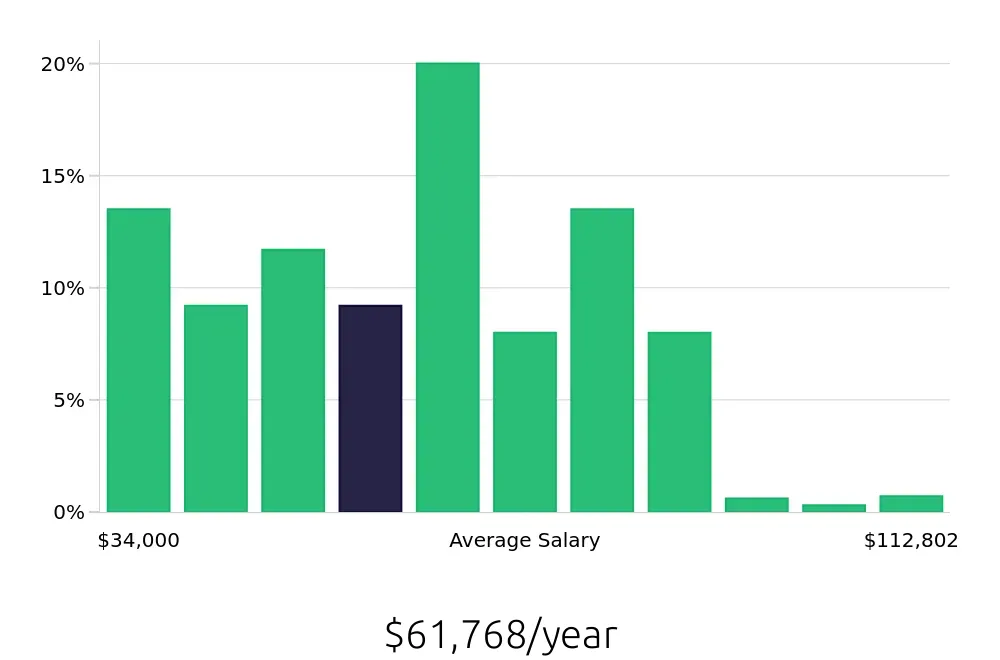
Field Coordinators earn a competitive salary, with an average national annual compensation of $50,660, as per BLS data. Hourly pay averages $24.36, offering a good balance between effort and reward. This remuneration makes the role attractive to those seeking both financial stability and professional growth. As the demand for Field Coordinators rises, so do the opportunities for career advancement and higher earnings.
Currently 138 Field Coordinator job openings, nationwide.
Continue to Salaries for Field Coordinator