What does a Field Specialist do?
A Field Specialist works in various settings, often outdoors. Their job focuses on gathering information and data from real-world environments. This might include conducting surveys, inspecting equipment, or analyzing environmental conditions. Field Specialists must be detail-oriented and able to work independently. They often travel to different locations to complete their tasks.
These professionals use tools and technology to collect accurate data. They report their findings to their team or management. Clear communication skills are vital, as they often need to explain their observations to others. Field Specialists can work in many industries, such as agriculture, construction, or environmental science. Their role is crucial for making informed decisions based on real-world data.
How to become a Field Specialist?
Interested in becoming a Field Specialist? This is a rewarding career for those who enjoy working outdoors and solving problems. Field Specialists work in various industries, from agriculture to telecommunications. They use their skills to provide on-site support and gather information. Here’s a clear outline to help someone start this exciting career.
First, gaining relevant education is essential. A high school diploma or equivalent is often the starting point. However, some positions may require further education. For example, a bachelor’s degree in a related field can be beneficial. This education helps to build a strong foundation of knowledge. It covers topics such as technology, customer service, and technical skills. Specializing in a specific area can make someone more competitive in the job market.
Second, acquiring practical experience is crucial. Internships, volunteer work, or entry-level positions in related fields provide hands-on experience. These opportunities allow individuals to apply what they have learned in real-world settings. They also help in building a network with professionals in the industry. Working directly with experienced Field Specialists can offer valuable insights and guidance. This experience makes a candidate more attractive to potential employers.
- Start with a solid education foundation.
- Gain practical experience through internships or entry-level jobs.
- Develop key skills such as communication, problem-solving, and technical proficiency.
- Build a professional network within the industry.
- Stay updated with industry trends and continue learning.
Third, developing key skills is important. Communication, problem-solving, and technical skills are essential. Field Specialists need to communicate clearly with colleagues and customers. They also need to solve problems quickly and efficiently. Technical skills vary by industry but often include the use of specialized tools and equipment. Continuous learning and skill development will keep someone competitive.
Fourth, building a professional network is valuable. Networking with other professionals can lead to job opportunities and career advancement. Attending industry events, joining professional organizations, and connecting on LinkedIn are effective ways to build relationships. These connections can provide support, advice, and referrals. A strong network is an important asset in any career.
Finally, staying updated with industry trends is crucial. The field can change rapidly with new technologies and methods. Continuous learning through courses, workshops, and online resources ensures that skills remain current. Being knowledgeable about the latest developments can set someone apart from others. It shows dedication and a commitment to excellence.
How long does it take to become a Field Specialist?
Field Specialists work in various industries, such as sales, research, or environmental science. The time needed to become a Field Specialist depends on the specific field. Many roles require a bachelor's degree, which typically takes four years. Some positions may need a master's degree, adding another two years.
Job experience plays a key role in this field. Employers often seek candidates with practical knowledge. Internships or entry-level positions can provide valuable experience. Networking with professionals in the field can also open doors to job opportunities. Field Specialists often gain expertise through on-the-job training, which can vary in duration.
Factors like the complexity of the job and industry demands can affect the timeline. Some specialists complete their training in a few years, while others may take longer. Persistence and continuous learning are important in this career path.
Field Specialist Job Description Sample
A Field Specialist is responsible for conducting field-based research, assessments, and data collection activities in various environments. They work closely with cross-functional teams to ensure accurate and timely completion of assigned tasks, and report findings to management to support decision-making processes.
Responsibilities:
- Conduct field research and collect data as per project requirements.
- Perform site assessments and evaluations to gather necessary information.
- Collaborate with cross-functional teams, including researchers, engineers, and project managers.
- Operate specialized equipment and tools used in fieldwork.
- Prepare and maintain detailed field reports and documentation.
Qualifications
- Bachelor’s degree in a relevant field (e.g., Environmental Science, Engineering, Biology, Geography).
- Proven experience in fieldwork and data collection.
- Strong understanding of field research methodologies and tools.
- Ability to work independently and as part of a team.
- Excellent organizational and time-management skills.
Is becoming a Field Specialist a good career path?
Being a Field Specialist offers a unique career path filled with opportunities for growth and development. This role often involves working directly with clients, conducting site visits, and providing technical support. Specialists may work in various fields, including sales, environmental science, or technical support. The hands-on nature of the job can be rewarding for those who enjoy interacting with people and working outside the office.
Field Specialists typically enjoy a mix of office work and fieldwork. This flexibility can lead to a dynamic work environment. The role often requires strong problem-solving skills and the ability to communicate effectively. Working in diverse settings can offer a broad range of experiences and learning opportunities.
Choosing this career path has its advantages and disadvantages. Consider these points before making a decision.
- Pros:
- Opportunity to work in various environments
- Direct client interaction
- On-the-job learning
- Flexibility in work location
- Cons:
- Possible long hours and travel
- Variable work conditions
- Need for physical fitness
- Potential exposure to hazards
What is the job outlook for a Field Specialist?
The role of a Field Specialist offers promising job prospects for prospective job seekers. According to the Bureau of Labor Statistics (BLS), the job market sees around 66,600 positions opening each year. This steady stream of opportunities indicates a healthy demand for skilled professionals in this field. The BLS also projects a positive 2.5% increase in job openings from 2022 to 2032, suggesting continued growth and stability in this career path.
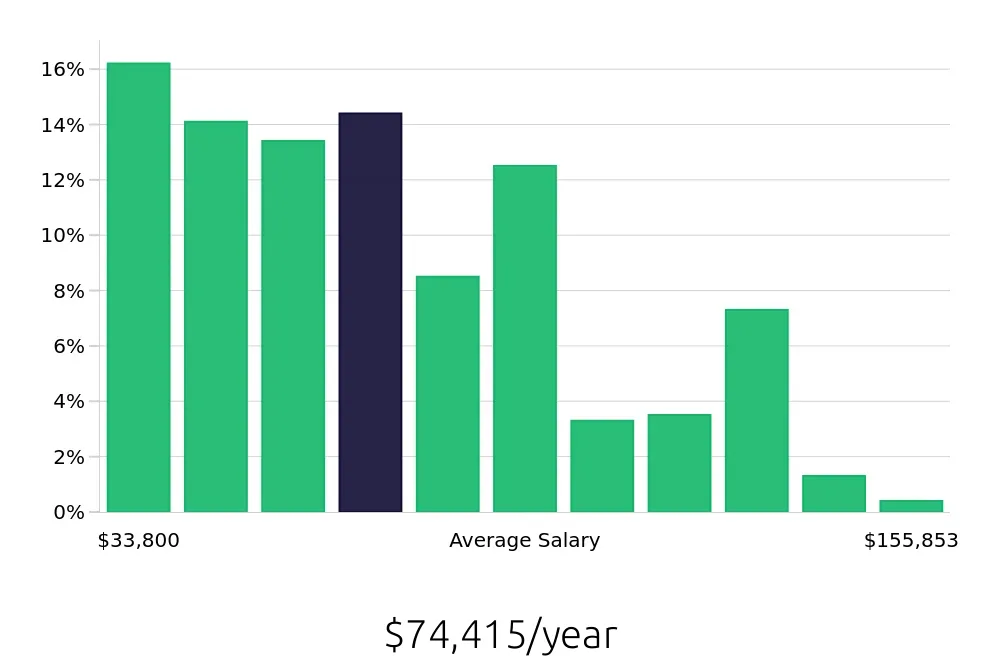
One of the most appealing aspects of being a Field Specialist is the competitive salary. On average, professionals in this role earn an annual compensation of $81,340. Additionally, the hourly wage stands at $39.11, offering a rewarding financial package for those with the right skills and experience. This attractive pay scale makes the field both lucrative and sustainable over the long term.
Overall, the job outlook for Field Specialists is promising. With consistent job availability, a positive growth trajectory, and competitive compensation, this career path is an excellent choice for job seekers looking to build a stable and rewarding professional life.
Currently 307 Field Specialist job openings, nationwide.
Continue to Salaries for Field Specialist