What does a Firearms Specialist do?
A Firearms Specialist plays a crucial role in ensuring the safe and effective use of firearms. They are responsible for training individuals on proper handling, maintenance, and legal aspects of firearms. This position often involves conducting safety assessments and preparing training materials. The specialist also provides guidance on the selection of appropriate firearms for specific purposes, ensuring compliance with all relevant regulations and standards.
Firearms Specialists work in a variety of settings, including law enforcement agencies, military organizations, and private security firms. They may also serve as consultants for businesses that require firearms for operations. This role requires a deep understanding of firearms technology and the legal framework governing their use. Specialists must stay updated on the latest trends and safety protocols to effectively fulfill their duties. Their work is vital in minimizing risks and promoting responsible firearm ownership.
How to become a Firearms Specialist?
Becoming a Firearms Specialist can open many doors in various fields, including law enforcement, security, and military roles. This career path requires dedication and specific skills. It demands a commitment to safety, precision, and continuous learning. The following steps outline the process to become a Firearms Specialist.
To begin, gain a solid understanding of firearms. Take courses in firearm safety and handling. These courses teach essential skills and knowledge. They also help build a strong foundation. Look for accredited training programs. Certifications from recognized institutions add credibility. Next, obtain the necessary licenses and permits. Each region has specific rules and requirements. Follow local, state, and federal guidelines. This ensures compliance and legal operation. Seek out internships or entry-level positions. Experience in the field provides practical knowledge. It also helps build a professional network. Pursue additional certifications in specialized areas. Consider courses in tactical training, defensive tactics, and firearms instruction. These enhance skills and career prospects. Finally, stay updated with the latest industry trends. Attend workshops, seminars, and training sessions. Continuous learning is key to success as a Firearms Specialist.
Following these steps provides a clear path to becoming a successful Firearms Specialist. It requires dedication, proper training, and continuous education. Each step builds on the last, leading to a rewarding career.
- Gain a solid understanding of firearms.
- Obtain the necessary licenses and permits.
- Seek out internships or entry-level positions.
- Pursue additional certifications in specialized areas.
- Stay updated with the latest industry trends.
How long does it take to become a Firearms Specialist?
The time it takes to become a Firearms Specialist can vary. It often depends on your starting point and chosen path. If starting from the beginning, one might need several months to a few years. Most people begin with a training course. These courses cover gun safety, handling, and shooting skills.
After completing a training course, gaining experience is key. Some specialists work with law enforcement. Others may find jobs in security or military. Experience builds over time. Many specialists start as assistants or in entry-level roles. With dedication, one can advance within a few years. Continuous training and certification can also lead to higher positions faster.
Firearms Specialist Job Description Sample
We are seeking a highly skilled and experienced Firearms Specialist to join our team. The ideal candidate will have a strong background in firearms training, safety protocols, and a commitment to maintaining the highest standards of excellence. This role requires a detail-oriented individual who can work collaboratively with law enforcement and other security personnel.
Responsibilities:
- Conduct comprehensive firearms training for clients, ensuring adherence to safety protocols and regulatory standards.
- Develop and implement training programs tailored to the specific needs of clients, including law enforcement agencies, private security firms, and individuals.
- Perform regular maintenance and inspection of firearms to ensure they are in optimal working condition.
- Stay current with federal, state, and local laws and regulations related to firearms and provide updates to clients as needed.
- Assist in the development and execution of emergency response plans and active shooter scenarios.
Qualifications
- Minimum of 5 years of experience in firearms training and safety.
- Current and valid firearms instructor certification from a recognized organization.
- Proven experience in conducting training programs for law enforcement, private security, and civilians.
- Knowledge of federal, state, and local firearms laws and regulations.
- Excellent communication and interpersonal skills.
Is becoming a Firearms Specialist a good career path?
A Firearms Specialist works with a range of firearms to ensure safety and security. This role involves handling, inspecting, and maintaining various weapons. It requires extensive training and adherence to safety protocols. The specialist may work in law enforcement, private security, or military settings. Each environment presents unique challenges and responsibilities.
Working as a Firearms Specialist has its benefits and drawbacks. Consider these factors carefully before pursuing this career. The pros include job stability, opportunities for advancement, and the chance to protect and serve others. This role also provides specialized training and skills that can be valuable in many fields. However, it has cons like exposure to high-stress situations, physical demands, and potential for injury. Emotional stress can also be a factor due to the nature of the work. Understanding these aspects helps in making an informed decision.
Here are some pros and cons to consider:
- Pros:
- Job stability: High demand for trained professionals.
- Opportunities for advancement: Potential to move into higher positions.
- Specialized training: Develops valuable skills in handling firearms.
- Protecting and serving: Contributing to public safety and security.
- Cons:
- High-stress situations: Often dealing with dangerous or unpredictable scenarios.
- Physical demands: Requires stamina and physical fitness.
- Potential for injury: Risk of harm from firearms and other hazards.
- Emotional stress: Coping with the psychological impacts of the job.
What is the job outlook for a Firearms Specialist?
Becoming a Firearms Specialist offers promising career prospects. The Bureau of Labor Statistics (BLS) reports that approximately 12,800 job positions open each year. Job growth for this profession is expected to rise by 5.5% from 2022 to 2032. This positive outlook means more opportunities for those entering the field.
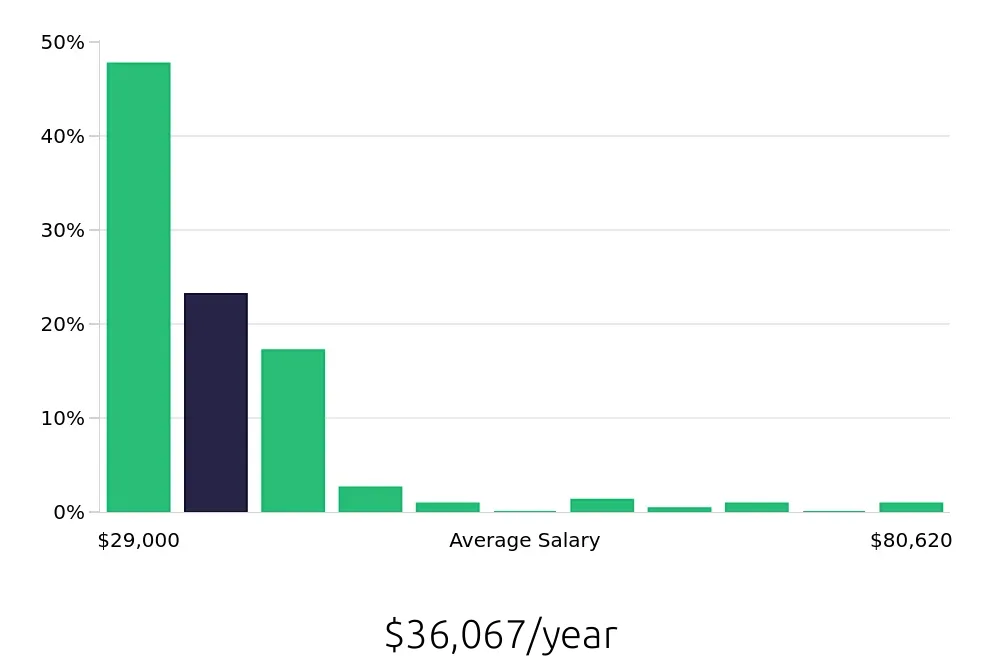
Professionals in this role can expect a strong average annual compensation. The national average salary for Firearms Specialists is $64,380, according to BLS data. This translates to an hourly wage of $30.95. These figures reflect the value employers place on skilled Firearms Specialists. With experience and expertise, these earnings have the potential to grow even further.
Job seekers looking for stability and growth will find the Firearms Specialist field attractive. The combination of steady job openings and competitive compensation makes this career path a wise choice. Individuals who pursue this profession can look forward to a rewarding and secure future.
Currently 68 Firearms Specialist job openings, nationwide.
Continue to Salaries for Firearms Specialist