What does a Food Preparer do?
A Food Preparer plays a crucial role in the culinary world. They prepare ingredients and ensure food is ready for cooking. This position involves tasks like washing, chopping, and mixing ingredients. The Food Preparer also helps set up cooking stations and ensures all tools are clean. Attention to detail is key, as precision in measurements and ingredient handling is essential.
In a typical day, the Food Preparer might follow recipes and instructions from chefs. They must work efficiently to meet kitchen schedules. This role demands good organizational skills and the ability to follow safety and hygiene standards. The Food Preparer works in various settings, from restaurants to cafeterias, contributing to the smooth operation of the kitchen.
How to become a Food Preparer?
Interested in becoming a Food Preparer? This career offers a dynamic and rewarding path within the culinary industry. A Food Preparer plays a vital role in creating delicious meals and ensuring food safety in restaurants, cafeterias, and various food service settings. Here is a clear guide to help navigate this exciting career.
Becoming a Food Preparer involves several important steps. Following these steps can set the foundation for a successful career. Here are the essential steps to consider:
- Get a high school diploma or GED. Most employers require at least a high school diploma or its equivalent. This shows a basic level of education and responsibility.
- Learn cooking skills. Gain practical experience in cooking. Attend a culinary school or take cooking classes. On-the-job training can also be valuable.
- Understand food safety. Food safety is crucial. Learn about proper hygiene, handling, and storage of food. This knowledge helps prevent illness and ensures quality.
- Gain experience. Start with entry-level positions. Work in restaurants, cafes, or hotels. This experience builds your skills and helps you understand the work environment.
- Get a job. Apply for positions that match your skills. Look for openings in restaurants, schools, hospitals, or catering services. Highlight your training and experience in your applications.
How long does it take to become a Food Preparer?
Interest in becoming a food preparer often stems from a love for cooking and a passion for culinary arts. This role involves preparing meals and ensuring the quality and safety of food products. The journey to this career can vary based on several factors. Most entry-level positions require minimal formal education. A high school diploma or equivalent often suffices for starting out. Some may choose to pursue additional training or certifications to enhance their skills and marketability.
The time it takes to enter the workforce as a food preparer can be relatively short. Many programs and training courses can be completed in a few months. Some community colleges offer culinary arts programs that last about one year. These programs provide hands-on experience and teach essential kitchen skills. Additionally, on-the-job training can help new preparers gain practical experience. Over time, gaining more experience can lead to higher positions and better job opportunities within the food service industry.
An effective way to shorten the time to employment is through apprenticeships or internships. These offer real-world experience and often lead directly to job offers. Seeking positions in reputable restaurants or hotels can also provide valuable learning experiences. Each step along the way builds the skills and confidence needed to succeed as a food preparer.
Food Preparer Job Description Sample
We are seeking a skilled Food Preparer to join our team. The ideal candidate will be responsible for preparing and cooking a variety of food items to meet the needs of our customers. This role requires attention to detail, strong organizational skills, and the ability to work in a fast-paced environment.
Responsibilities:
- Prepare and cook a variety of food items according to recipes and standards.
- Ensure food is prepared safely and hygienically.
- Maintain a clean and organized work area.
- Monitor inventory levels and assist in ordering supplies as needed.
- Follow all safety and sanitation guidelines.
Qualifications
- High school diploma or equivalent required.
- Previous experience in food preparation or a similar role is preferred.
- Knowledge of kitchen safety and sanitation practices.
- Ability to work well in a team environment.
- Strong attention to detail and organizational skills.
Is becoming a Food Preparer a good career path?
Working as a Food Preparer offers many opportunities in the culinary world. This role involves preparing meals in restaurants, cafes, and other food service locations. Food Preparers cook, chop, and assemble dishes following recipes. They often work in fast-paced environments. The job demands good teamwork and quick thinking.
Choosing this career path has its benefits and challenges. Understanding these can help someone decide if it is the right choice for them. Here are some pros and cons to consider.
- Pros:
- Food Preparers often get to learn about different types of cuisine.
- The job can be physically active, keeping the worker on their feet.
- This role provides a chance to work in various food service settings.
- Food Preparers can gain skills that may lead to higher positions in the kitchen.
- Cons:
- Working in a kitchen can be hot and busy, sometimes stressful.
- Shifts can be long, including nights and weekends.
- The job may involve repetitive tasks, which some people find tiring.
- There can be a risk of minor injuries from using sharp tools or handling hot equipment.
What is the job outlook for a Food Preparer?
Food preparers play a crucial role in the hospitality industry, and the job outlook shows a steady demand for skilled professionals. The Bureau of Labor Statistics (BLS) reports an average of 157,100 job positions per year for food preparers. This consistent number highlights the ongoing need for competent workers in various food service settings. Aspiring food preparers can look forward to ample opportunities to build a career in this sector.
The job outlook for food preparers remains relatively stable, with a projected percent change of -4.8% from 2022 to 2032, according to the BLS. While this slight decline suggests some shifts in employment trends, the overall demand for food preparers remains robust. This trend indicates that while some roles may evolve, the need for skilled food preparation professionals will continue. Job seekers can feel confident in pursuing this career path, knowing there are many potential openings available.
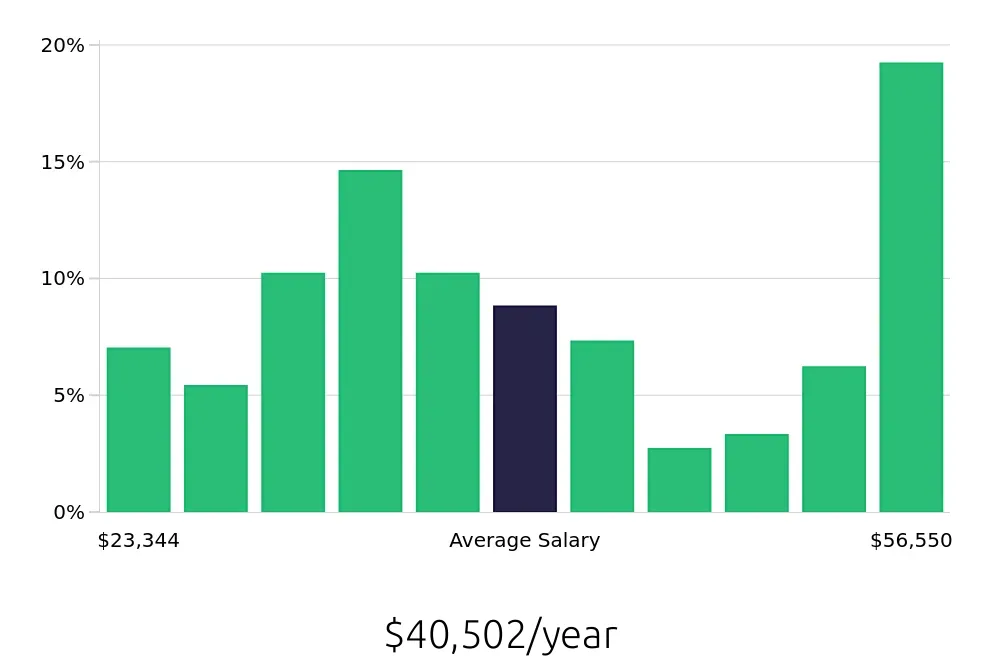
Food preparers earn an average annual salary of $32,960, with an hourly rate of $15.85, as reported by the BLS. This compensation reflects the vital role food preparers play in the food service industry. Job seekers interested in this role can expect a reasonable income that offers both financial stability and room for growth. With the right skills and dedication, food preparers can look forward to a rewarding career in a field that is always in demand.
Currently 111 Food Preparer job openings, nationwide.
Continue to Salaries for Food Preparer