What does a Food Service Director do?
A Food Service Director oversees the planning, management, and delivery of food and beverage services in a variety of settings. They ensure that all food-related operations run smoothly and meet high standards. This position requires a keen eye for detail and strong leadership skills. The Food Service Director coordinates with kitchen staff, monitors inventory, and oversees food preparation and presentation. They also manage budgets, ensuring that costs are controlled while maintaining quality. Additionally, they work closely with dietary managers to accommodate the nutritional needs of customers.
Responsibilities of a Food Service Director include developing menus that meet customer preferences and nutritional guidelines. They also train and supervise kitchen and service staff to ensure efficient operations. Compliance with health and safety regulations is crucial, as they must ensure all food handling and storage practices meet local and federal standards. The Food Service Director often works in hotels, schools, hospitals, or large catering companies. They play a pivotal role in enhancing the dining experience and ensuring customer satisfaction.
How to become a Food Service Director?
Becoming a Food Service Director involves a series of steps that require dedication and the right qualifications. This career path focuses on managing food services in various settings, including hospitals, schools, and corporate cafeterias. It demands a blend of culinary skills, business acumen, and leadership abilities.
Here are the steps to become a Food Service Director:
- Obtain a high school diploma or GED.
- Gain experience in the food service industry.
- Earn a bachelor’s degree in hospitality management, food service management, or a related field.
- Gain management experience.
- Obtain necessary certifications and licenses.
Starting with a high school diploma or GED opens the door to entry-level positions in the food service sector. Working in various roles, such as cook or kitchen assistant, helps gain practical experience. This experience is vital for understanding kitchen operations and customer service.
Pursuing a bachelor’s degree in hospitality management or a related field provides essential knowledge about food service management, nutrition, and business practices. This education is key to moving into higher-level roles. Gaining management experience, such as working as an assistant manager or kitchen manager, is crucial. This step builds leadership skills and knowledge of operational management. Lastly, obtaining certifications like the ServSafe Manager Certification or other relevant licenses can enhance credentials and job prospects.
How long does it take to become a Food Service Director?
The journey to becoming a Food Service Director involves a blend of education, experience, and certification. Many start with an associate or bachelor's degree in hospitality management, culinary arts, or a related field. This foundational education lays the groundwork for future growth in the industry.
After completing their degree, aspiring directors gain experience through roles such as kitchen manager, catering manager, or dietary manager. Working in these positions helps build essential skills and industry knowledge. The amount of time spent in these roles can vary, typically taking around two to five years. This experience is crucial for understanding the operational aspects of food service management. Certifications such as the Certified Food Protection Professional (CFPS) or the National Association of Hospitality and Food Service Educators (NAHFSE) credentials can further enhance a candidate's qualifications and increase their job prospects.
Once the educational and experiential requirements are met, the transition to a Food Service Director role can happen. This often takes place after accumulating sufficient experience and gaining the necessary certifications. This final step solidifies the path to a rewarding career in food service management.
Food Service Director Job Description Sample
The Food Service Director is responsible for overseeing all aspects of food service operations, ensuring quality and efficiency in food preparation, presentation, and service. This role requires a blend of culinary expertise, managerial skills, and a commitment to maintaining high standards in food safety and customer satisfaction.
Responsibilities:
- Develop and implement food service policies and procedures to maintain high standards of quality and efficiency.
- Oversee daily food service operations, including meal planning, inventory management, and staff supervision.
- Ensure compliance with all health and safety regulations, including food safety and sanitation standards.
- Coordinate with kitchen staff to ensure timely and accurate meal preparation and presentation.
- Manage and mentor food service staff, including hiring, training, and performance evaluation.
Qualifications
- Bachelor's degree in Culinary Arts, Hospitality Management, or a related field.
- Proven experience in a senior food service management role, preferably in a large-scale operation.
- In-depth knowledge of food safety regulations and best practices.
- Strong leadership and team management skills.
- Excellent communication and interpersonal skills.
Is becoming a Food Service Director a good career path?
A Food Service Director plays a crucial role in the hospitality industry. They manage food service operations in restaurants, schools, hospitals, and other institutions. This role requires strong leadership and organizational skills. Directors must ensure high-quality food service while managing budgets and staff. The work is challenging but rewarding. It offers the chance to improve dining experiences for many people.
Being a Food Service Director comes with its own set of advantages and challenges. Consider these pros and cons to understand what this career path involves. Working as a Food Service Director allows for creative control over menus and dining experiences. It offers opportunities to innovate and introduce new dishes. The role often includes benefits such as health insurance and paid time off. However, the job can be demanding. Long hours and high stress are common. Directors must handle unexpected issues quickly. They also need to ensure compliance with health and safety regulations.
Here are some pros and cons to think about:
- Pros:
- Creative control over menus
- Opportunities for innovation
- Potential for career advancement
- Benefits like health insurance
- Cons:
- Long and irregular hours
- High stress levels
- Need for quick problem-solving
- Compliance with health and safety rules
What is the job outlook for a Food Service Director?
The role of a Food Service Director is in steady demand, with an average of 39,600 job positions opening each year, according to the Bureau of Labor Statistics (BLS). This role is essential in managing food service operations in various settings, including hospitals, schools, and corporate cafeterias. Aspiring Food Service Directors can expect a stable job market, with a projected percent change in job openings of 0.5% from 2022 to 2032. This slight increase suggests a consistent need for skilled professionals in this field.
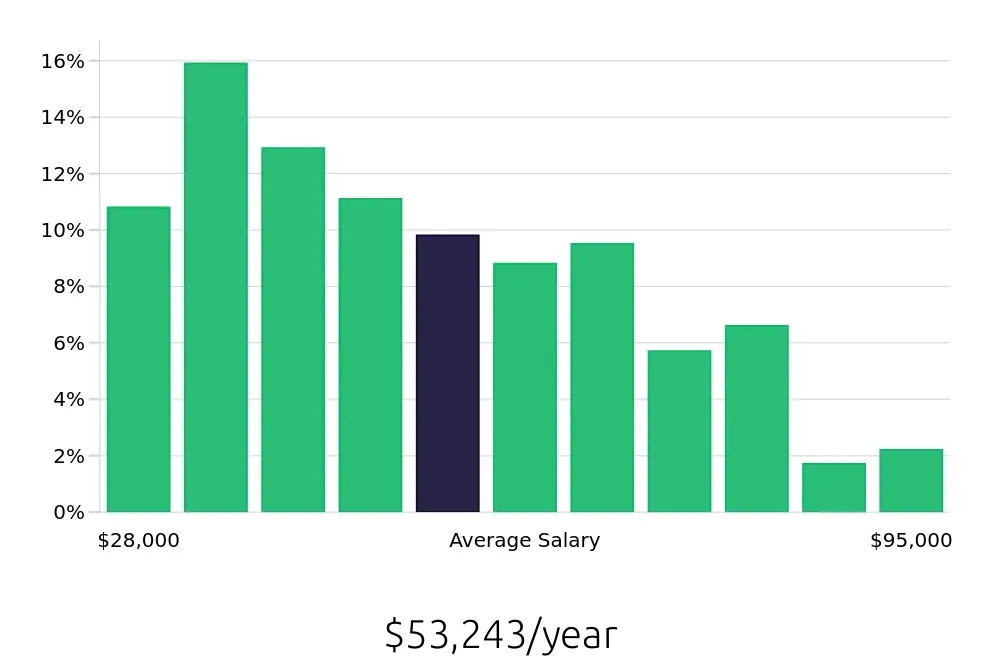
A Food Service Director can expect a rewarding career with competitive compensation. The average national annual salary stands at $69,580, making this a lucrative field for those with the right skills and experience. Additionally, the average hourly wage is $33.45, offering a good balance between daily earnings and professional fulfillment. This salary range is attractive to many job seekers, combining financial stability with a meaningful role in the community.
If you are considering a career as a Food Service Director, the current job outlook is promising. With a mix of job stability, competitive pay, and the opportunity to make a difference in food service operations, this role is a solid choice for experienced professionals. Keeping up with industry trends and acquiring relevant certifications can enhance your prospects in this growing field.
Currently 2,063 Food Service Director job openings, nationwide.
Continue to Salaries for Food Service Director