What does a Food Supervisor do?
A Food Supervisor plays a key role in ensuring food safety and quality in a food service environment. They oversee food preparation and ensure that all food handling meets safety standards. This includes monitoring staff, conducting inspections, and implementing food safety protocols. The Food Supervisor ensures that the kitchen operates smoothly and that all food is prepared in a clean and safe manner. They also manage inventory, ordering supplies, and maintaining a budget for food costs.
This role requires strong attention to detail and a deep understanding of food safety regulations. The Food Supervisor works closely with kitchen staff to provide training and guidance on food handling practices. They must also be able to handle any food safety issues that arise. This position is crucial in preventing foodborne illnesses and maintaining high standards in the food service industry. A Food Supervisor must have excellent organizational skills and the ability to work under pressure.
- Oversee food preparation
- Monitor food safety standards
- Conduct inspections
- Provide staff training
- Manage inventory and budget
- Handle food safety issues
How to become a Food Supervisor?
To become a Food Supervisor, a clear path leads to a rewarding career. This role ensures food safety and quality in various settings, from restaurants to food manufacturing plants. Understanding the process can help set the foundation for a successful career in food safety management.
First, obtaining a high school diploma or GED is essential. This foundational step opens the door to further education and training in food safety. Gaining experience in food service or related fields adds practical knowledge and skills. Next, enrolling in a food safety training program can provide specific knowledge on food safety regulations and practices. Completing this training often leads to a certification, which is valuable for job applications. Securing employment in a food-related industry provides hands-on experience and the opportunity to learn from experienced professionals. These experiences and skills help pave the way to becoming a Food Supervisor.
Consider the following steps to guide the journey:
- Complete a high school diploma or GED.
- Gain experience in food service or related industries.
- Enroll in and complete a food safety training program.
- Obtain food safety certification.
- Seek employment in a food-related industry to gain practical experience.
How long does it take to become a Food Supervisor?
The journey to becoming a Food Supervisor involves a mix of education, experience, and certification. A high school diploma or equivalent is often the starting point. Some employers may prefer candidates with a degree in food science or a related field.
After completing formal education, the next step is gaining practical experience. Many start as kitchen staff or food service workers. This hands-on work helps build skills and knowledge about food safety and preparation. The time needed here can vary from a few months to several years. This period allows for building the necessary skills and experience that lead to more supervisory roles.
Next, candidates should look into certification. This can mean earning a Food Protection Manager Certification. This certification helps demonstrate a strong understanding of food safety practices. Some regions offer training programs that include this certification. Completing these programs can take anywhere from a few days to a month. Once certified, a candidate can take on more supervisory duties with confidence.
Food Supervisor Job Description Sample
We are seeking a detail-oriented and experienced Food Supervisor to ensure the quality and safety of food production within our facility. The successful candidate will be responsible for overseeing the preparation, cooking, and presentation of food, ensuring compliance with health and safety regulations, and maintaining a high standard of customer service.
Responsibilities:
- Supervise and manage kitchen staff, including scheduling, training, and performance evaluations.
- Ensure all food preparation, cooking, and storage practices comply with health and safety regulations.
- Maintain inventory of food supplies and manage procurement processes to ensure availability and quality.
- Oversee the preparation and presentation of food to ensure it meets the company's quality standards.
- Coordinate with other departments to ensure smooth kitchen operations and timely service.
Qualifications
- Minimum of 5 years of experience in a food service management role.
- Proven experience in overseeing kitchen operations and managing staff.
- Knowledge of food safety and health regulations.
- Excellent leadership and communication skills.
- Strong organizational and problem-solving skills.
Is becoming a Food Supervisor a good career path?
A Food Supervisor plays a key role in the food industry. They ensure that food is prepared safely and meets health standards. This job involves overseeing kitchen staff and enforcing safety rules. It can lead to higher positions within the food service industry.
Working as a Food Supervisor has its benefits. It offers job stability in the food service sector. Supervisors often enjoy a steady income and may work in various settings like restaurants, schools, or hospitals. The role provides opportunities to meet new people and work in a dynamic environment. Supervisors can also help improve food safety practices, which is crucial for public health. However, the job can be stressful, with long hours and sometimes working on holidays.
Here are some pros and cons to consider:
- Pros:
- Job stability in a growing industry
- Steady income
- Opportunities to work in various environments
- Possibility to influence food safety practices
- Cons:
- Potential for long and irregular hours
- Stress from managing staff and ensuring compliance
- May require work on holidays or weekends
What is the job outlook for a Food Supervisor?
The job outlook for Food Supervisors is quite promising, with an average of 5,600 job positions available each year. This number reflects a steady demand for professionals in this role. The Bureau of Labor Statistics (BLS) forecasts a 6.6% increase in job openings from 2022 to 2032. This growth indicates a positive trend for job seekers in this field.
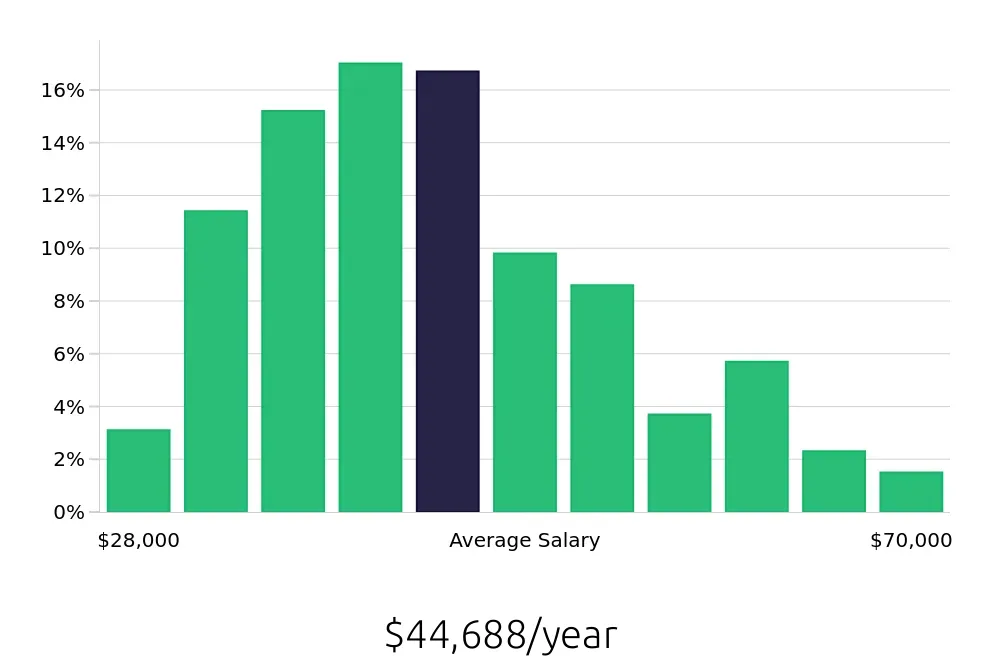
Food Supervisors can expect a competitive average national annual salary of $71,280, according to the BLS. This compensation level reflects the skills and responsibilities required in this role. In addition, the average hourly pay stands at $34.27. These figures highlight the financial benefits of pursuing a career as a Food Supervisor.
Overall, the job outlook for Food Supervisors is strong, with steady demand and growth in the industry. Job seekers who pursue this career path can look forward to a stable job market and good compensation.
Currently 94 Food Supervisor job openings, nationwide.
Continue to Salaries for Food Supervisor