What does a Freight Processing Lead do?
A Freight Processing Lead manages the flow of goods in and out of a company. This position oversees all aspects of freight processing. It ensures that shipments are handled efficiently and on time. Duties include coordinating with carriers, tracking shipments, and solving any issues that arise. This role requires strong communication skills and attention to detail. The Freight Processing Lead works closely with the logistics team and other departments.
To be effective, a Freight Processing Lead must understand shipping regulations and logistics operations. This person often uses software to track shipments and manage data. They must handle tight deadlines and sometimes unexpected challenges. The Freight Processing Lead plays a crucial role in keeping the supply chain running smoothly. This job involves a mix of office tasks and communication with suppliers and customers. It requires someone who can stay organized and focused under pressure.
How to become a Freight Processing Lead?
Becoming a Freight Processing Lead involves understanding the logistics industry and gaining experience in managing the flow of goods. This role requires attention to detail and the ability to handle multiple tasks simultaneously. By following these steps, a professional can position themselves for success in this field.
First, a person should gain a solid understanding of the logistics industry. This means learning about transportation, warehousing, and supply chain management. Next, obtaining relevant education or certifications can help. Many employers prefer candidates with a degree in logistics or a related field. Experience in freight processing or logistics management is also valuable. Building a strong resume that highlights these qualifications can increase job prospects. Networking with industry professionals and staying informed about industry trends can further enhance job search efforts. Finally, applying for open positions and preparing for interviews by practicing common questions can lead to securing a role as a Freight Processing Lead.
The steps to becoming a Freight Processing Lead are:
- Understand the logistics industry.
- Get relevant education or certifications.
- Gain experience in freight processing or logistics management.
- Build a strong resume that highlights qualifications.
- Network with industry professionals and stay informed about trends.
How long does it take to become a Freight Processing Lead?
Interest in a career as a Freight Processing Lead has been growing. This role involves managing cargo shipments and ensuring they move smoothly. The time needed to enter this field varies. Most people start with entry-level positions in logistics or supply chain management.
To become a Freight Processing Lead, gaining practical experience is key. An associate degree or a certificate in logistics can take about two years. Some might enter the field with a high school diploma. They then work their way up through various positions. Experience and specialized training can help someone move into a lead role. With dedication and skill, this career path can take about three to five years. It offers a solid future in a fast-paced industry.
Freight Processing Lead Job Description Sample
The Freight Processing Lead will oversee the day-to-day operations of the freight processing team, ensuring the accurate and timely processing of freight shipments. This role requires strong leadership skills, a deep understanding of freight logistics, and the ability to manage and motivate a team to achieve operational excellence.
Responsibilities:
- Supervise and manage the freight processing team, ensuring all team members adhere to company policies and procedures.
- Oversee the accurate and timely processing of freight shipments, ensuring compliance with all regulatory requirements.
- Develop and implement process improvements to enhance the efficiency and effectiveness of freight processing operations.
- Collaborate with other departments, such as logistics, customer service, and finance, to ensure seamless integration of freight processing activities.
- Monitor and analyze key performance indicators (KPIs) to identify areas for improvement and implement corrective actions as necessary.
Qualifications
- Bachelor’s degree in Logistics, Supply Chain Management, or a related field.
- Minimum of 5 years of experience in freight processing or a related role within the logistics or transportation industry.
- Proven leadership experience, with the ability to manage and motivate a team.
- Strong understanding of freight logistics, including shipping regulations and processes.
- Excellent problem-solving and decision-making skills.
Is becoming a Freight Processing Lead a good career path?
A Freight Processing Lead manages logistics for a company, ensuring that goods move smoothly and efficiently. This role involves coordinating with different departments, overseeing shipments, and handling paperwork. It is a critical position in supply chain management. The role requires strong organizational skills and a deep understanding of logistics.
Working as a Freight Processing Lead comes with its own set of advantages and challenges. Understanding these can help job seekers decide if this career path is right for them. Some benefits include competitive salaries, opportunities for career growth, and the chance to be part of a dynamic team. However, this role can also have its challenges. Heavy workloads, the need for constant attention to detail, and the pressure to meet tight deadlines are common. Knowing these pros and cons can help individuals make an informed decision about pursuing this career.
Here are some pros of being a Freight Processing Lead:
- Competitive salaries and benefits
- Opportunities for career advancement
- Variety of work environments and settings
- Skills development in logistics and team management
- Being a key player in the supply chain process
And here are some cons to consider:
- Potential for high-stress situations
- Heavy workloads and tight deadlines
- Need for constant attention to detail
- Varied and sometimes irregular work hours
- Dependence on technology and systems
What is the job outlook for a Freight Processing Lead?
The job outlook for a Freight Processing Lead is very promising for those in the job market. According to the Bureau of Labor Statistics (BLS), there are an average of 11,000 job positions available per year. This means consistent opportunities for professionals in this field. A strong demand for skilled freight processing leads can make this a rewarding career choice for many job seekers.
Job openings for Freight Processing Leads are expected to grow by 9.7% from 2022 to 2032, according to the BLS. This growth rate is above the average for all occupations. The demand for efficient logistics and supply chain management continues to rise, leading to more job openings. This trend is good news for job seekers looking for stability and growth in their careers.
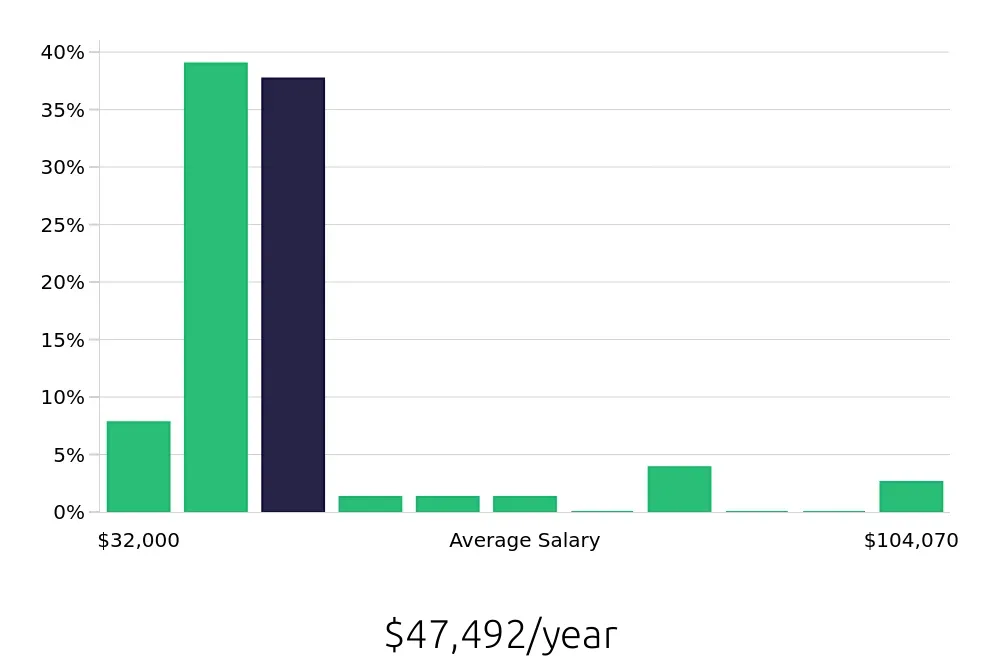
Professionals in this role can expect an average annual compensation of $52,460. The hourly rate stands at $25.22, according to the BLS. These figures reflect the value employers place on the skills and responsibilities of a Freight Processing Lead. With competitive compensation and job growth, this career path offers both financial rewards and professional development opportunities. Job seekers can look forward to a lucrative and promising future in this field.
Currently 15 Freight Processing Lead job openings, nationwide.
Continue to Salaries for Freight Processing Lead