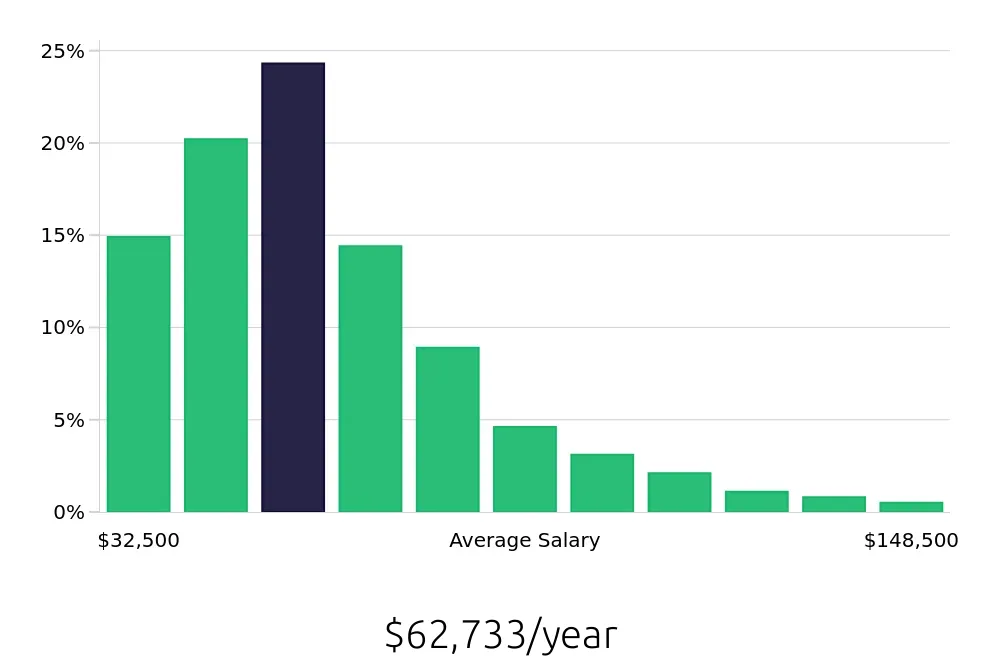
What does a General Manager do?
A General Manager oversees the day-to-day operations of a company. This person ensures that all departments run smoothly and meet the company's goals. The General Manager coordinates staff, manages budgets, and handles customer relations. They also create strategies to improve business performance.
The General Manager works closely with department heads to set and achieve targets. They analyze sales data and financial reports to make informed decisions. Strong leadership skills are essential for this role. The General Manager must motivate employees and foster a positive work environment. Effective communication with both staff and customers is key. This position requires problem-solving skills to address issues quickly and efficiently.
How to become a General Manager?
Becoming a General Manager involves several key steps that guide an individual from initial qualification to the role of overseeing a company's operations. This career path demands dedication, experience, and specific skills. The following steps outline the journey toward achieving this prestigious position.
First, gaining relevant experience in a managerial role is crucial. This experience can come from managing teams or departments within a company. Next, acquiring a bachelor’s degree in business administration or a related field provides a solid foundation. Continuing education through an MBA can further enhance qualifications. Then, developing strong leadership and communication skills helps in effectively managing staff and operations. Lastly, gaining experience in various industries provides a broad perspective, making it easier to adapt to different business environments.
Here are the essential steps to become a General Manager:
- Earn a bachelor's degree in business administration or a related field.
- Gain experience in managerial roles or within a specific industry.
- Pursue an MBA for advanced knowledge and networking opportunities.
- Develop strong leadership and communication skills.
- Gain diverse industry experience to broaden understanding and adaptability.
How long does it take to become a General Manager?
The journey to becoming a General Manager varies. It depends on your education, experience, and the industry. Most General Managers have a bachelor’s degree in business or a related field. This often takes four years. Some companies prefer candidates with a master’s degree, which adds another one to two years.
Experience plays a key role. Starting in entry-level or mid-level positions builds essential skills. With relevant work experience, it can take between five to ten years to reach a General Manager role. This timeline can change based on the company size and location. Larger companies may have a more structured path with defined steps. Smaller businesses might offer quicker promotions for those who show leadership potential early on.
General Manager Job Description Sample
The General Manager is responsible for overseeing the daily operations of the company, ensuring that all business activities are conducted efficiently and effectively. This role involves strategic planning, leadership, financial management, and team coordination to achieve organizational goals.
Responsibilities:
- Develop and implement strategic plans to achieve company goals and objectives.
- Supervise and coordinate the activities of various departments within the organization.
- Manage the budget, financial records, and allocate resources effectively.
- Ensure compliance with all legal and regulatory requirements.
- Lead and motivate the team, fostering a positive work environment and culture.
Qualifications
- Bachelor’s degree in Business Administration, Management, or a related field.
- Proven experience as a General Manager or in a similar leadership role.
- Strong knowledge of business and management principles.
- Excellent leadership, communication, and interpersonal skills.
- Strong analytical and problem-solving abilities.
Is becoming a General Manager a good career path?
A career as a General Manager (GM) offers many opportunities to lead and grow a business. This role involves overseeing daily operations, setting goals, and ensuring the company meets its targets. GMs work in various industries, from retail to hospitality and manufacturing. They need strong leadership skills, business acumen, and the ability to motivate teams. The job requires a mix of strategic thinking and hands-on management.
Being a General Manager comes with its own set of pros and cons. On one hand, GMs enjoy significant responsibility and the chance to shape a company's future. They often have the authority to make important decisions and guide the company’s direction. Additionally, GMs usually receive competitive salaries and benefits, along with opportunities for career advancement. On the other hand, the job can be demanding and stressful. GMs must handle multiple tasks and often work long hours. They also need to balance the needs of the business with employee concerns, which can be challenging.
Here are some key points to consider if you are thinking about a career as a GM:
- Pros:
- Opportunities to lead and innovate
- High responsibility and authority
- Competitive salary and benefits
- Career advancement opportunities
- Cons:
- High stress and long hours
- Need to balance business goals with employee needs
- Potential for a demanding work environment
What is the job outlook for a General Manager?
Job seekers looking to step into a leadership role will find that the outlook for General Managers is quite promising. The Bureau of Labor Statistics (BLS) reports an average of 296,300 job positions available each year for General Managers. This number indicates a consistent demand for individuals willing to take on these roles across various industries. Securing a position as a General Manager offers stability and a solid career foundation.
The job outlook for General Managers remains favorable with a projected increase of 4.2% from 2022 to 2032, as stated by the BLS. This growth suggests that more businesses will require experienced leaders to oversee operations, enhance productivity, and drive revenue. This upward trend presents ample opportunities for those ready to lead and manage. Aspiring General Managers can look forward to a dynamic and expanding field.
Compensation for General Managers is also attractive, with an average national annual salary of $129,330, according to the BLS. This figure reflects the importance and responsibility of the role. Hourly, General Managers earn an average of $62.18, making it a lucrative career choice. These figures highlight the rewarding nature of the profession, both financially and professionally. General Managers can expect not just a stable job outlook but also a competitive salary.
Currently 15,661 General Manager job openings, nationwide.
Continue to Salaries for General Manager