What does a Grain Elevator Operator do?
A Grain Elevator Operator oversees the smooth functioning of grain elevators. They manage the process from receiving grain to its final storage. This position requires keen attention to detail and the ability to operate machinery safely. Operators need to check the quality of incoming grain and ensure it is stored correctly. This role involves working with various pieces of equipment to move and store grain efficiently.
In addition to operating machinery, the Grain Elevator Operator must maintain records of grain levels and conditions. They coordinate with other team members to ensure the elevator runs smoothly. This job may require working in different weather conditions, so reliability and dedication are key. Operators often work shifts, including nights and weekends, to keep the elevator running 24/7. Their work ensures that grain is stored safely until it is ready for distribution.
How to become a Grain Elevator Operator?
Becoming a grain elevator operator involves several important steps. This career path requires specific skills and knowledge to manage the equipment and processes at grain elevators effectively. Starting with the right educational foundation and gaining practical experience can set the path for success in this field.
Here are the steps to become a grain elevator operator:
- Complete high school education: A solid foundation in basic education is essential. Courses in mathematics, science, and technology can be particularly useful.
- Pursue relevant training: Attend vocational schools or community colleges that offer programs in agricultural technology or agronomy. These programs provide hands-on experience and technical skills.
- Gain experience: Look for internships or entry-level positions at grain elevators. Working under experienced operators can provide valuable insights and practical experience.
- Obtain certification: Certification can enhance job prospects. Some states require a license or certification to operate grain elevator equipment. Check local regulations for specific requirements.
- Stay updated: Keep up with industry trends and advancements in technology. Continuing education and training can improve skills and knowledge, making you a more competitive candidate.
How long does it take to become a Grain Elevator Operator?
Grain elevator operations involve managing and overseeing the movement of grain. This role requires attention to detail and knowledge of safety protocols. Many people are curious about the time needed to become qualified for this job. Typically, the path involves a mix of education, training, and experience.
Most employers look for candidates with at least a high school diploma. Some may prefer or require a post-secondary certificate or associate degree in agriculture or a related field. Vocational training programs also offer courses in grain handling. These programs usually last from a few months to two years. During this time, trainees learn about grain storage, equipment operation, and safety practices. Hands-on experience in a real grain elevator setting often completes the training. Some jobs may require a few years of on-the-job experience before a person can work independently.
Grain Elevator Operator Job Description Sample
A Grain Elevator Operator is responsible for overseeing the loading, unloading, and storage of grain and other commodities in an elevator. They ensure the proper operation of equipment, maintain grain quality, and adhere to safety and regulatory standards.
Responsibilities:
- Operate and maintain grain handling equipment, including belts, conveyors, and silos.
- Monitor and control grain flow and storage levels in silos and bins.
- Inspect incoming grain for quality and moisture content.
- Record and report grain weights, temperatures, and other relevant data.
- Ensure safety protocols are followed and report any equipment malfunctions or safety concerns.
Qualifications
- High school diploma or equivalent required; relevant certifications are a plus.
- Experience in grain handling or agricultural operations is preferred.
- Knowledge of grain storage, handling, and quality control procedures.
- Strong mechanical aptitude and ability to operate and troubleshoot machinery.
- Good communication and teamwork skills.
Is becoming a Grain Elevator Operator a good career path?
Working as a Grain Elevator Operator involves managing the process of receiving, storing, and shipping grain. This role takes place in grain elevators, which are large facilities designed to handle massive amounts of grain. Operators oversee the movement of grain from trucks to storage bins and ensure that the grain is kept in optimal conditions. This job often requires long hours and can take place in various weather conditions.
The role of a Grain Elevator Operator has several benefits and challenges. Below are some pros and cons to consider when thinking about this career path.
Pros:
- Opportunities for outdoor work and physical activity.
- Potential for steady employment in agricultural areas.
- Skills gained in equipment operation and safety.
- Possibility to work in a team environment.
- Being part of a vital industry that supports food supply chains.
Cons:
- Exposure to extreme weather conditions.
- Possibility of long and irregular hours.
- Risk of injury from heavy machinery and materials.
- Limited opportunities for advancement without additional training.
- Exposure to grain dust and potential respiratory issues.
What is the job outlook for a Grain Elevator Operator?
The job outlook for Grain Elevator Operators looks promising for those entering the field. Each year, about 3,300 job positions open up across the country. This steady demand means a lot of opportunities for job seekers. With an average of 5.8% growth expected from 2022 to 2032, according to the Bureau of Labor Statistics (BLS), the demand is set to rise. This trend suggests a growing need for skilled operators in this industry.
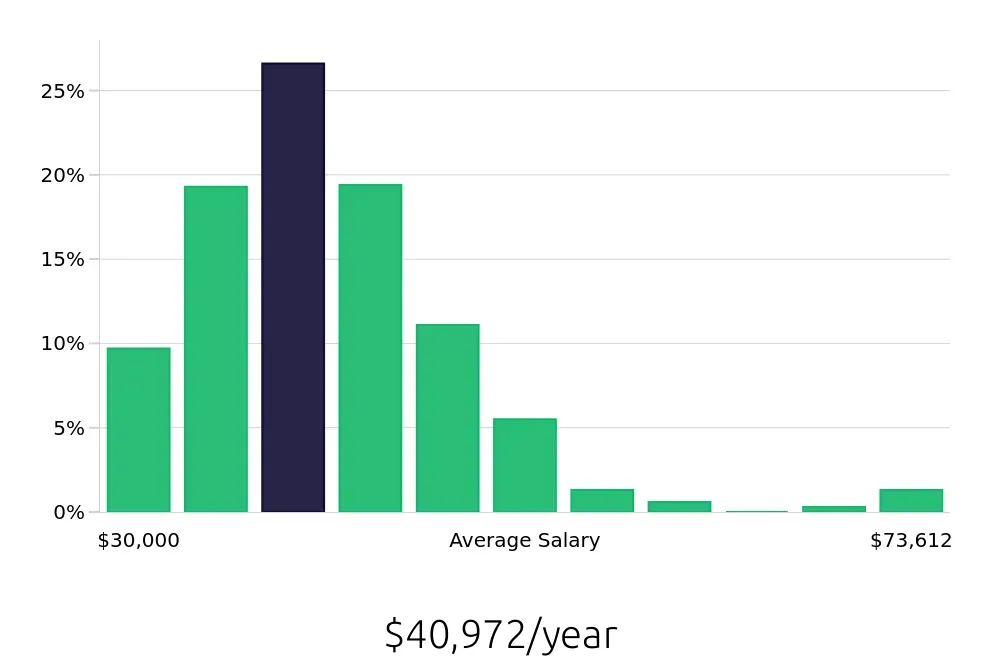
Grain Elevator Operators enjoy a solid average national annual compensation. The BLS reports an average of $42,900 per year. This figure offers a reliable income for those in the role. On an hourly basis, the average compensation stands at $20.63. These numbers reflect the value placed on the skills and responsibilities of elevator operators. With the right training, job seekers can look forward to a rewarding career in this field.
Entering the Grain Elevator Operator role can lead to a stable and fulfilling career. The combination of steady job availability, expected growth, and competitive compensation makes this a strong choice for job seekers. With the right qualifications, one can expect to find a position that offers both security and opportunity. This makes Grain Elevator Operation an attractive career path for many in the industry.
Currently 64 Grain Elevator Operator job openings, nationwide.
Continue to Salaries for Grain Elevator Operator