What does a Health Care Coordinator do?
A Health Care Coordinator plays a vital role in managing patient care and healthcare services. This person ensures that patients receive the best care possible by coordinating between doctors, nurses, and other healthcare staff. They work closely with patients to understand their needs and create care plans that meet those needs.
The Health Care Coordinator also helps patients navigate the healthcare system. This includes scheduling appointments, explaining medical procedures, and ensuring that patients have access to necessary resources. They act as a bridge between patients and healthcare providers, ensuring clear communication and efficient service delivery. This role requires strong organizational skills, empathy, and excellent communication abilities.
Some key tasks of a Health Care Coordinator include:
- Creating and managing patient care plans
- Coordinating appointments and follow-up visits
- Communicating with healthcare providers about patient needs
- Assisting patients with understanding medical information
- Ensuring compliance with healthcare regulations
How to become a Health Care Coordinator?
Becoming a Health Care Coordinator can open the door to a fulfilling career in the healthcare sector. This role involves coordinating patient care and ensuring that medical services run smoothly. The journey starts with gaining the necessary education and skills.
Follow these steps to start a career as a Health Care Coordinator:
- Obtain a High School Diploma or GED: The first step is to finish high school or get a GED. This is the basic requirement.
- Earn a Post-Secondary Degree: Consider getting a degree in health administration, nursing, or a related field. This helps build a strong foundation in healthcare.
- Gain Relevant Experience: Look for jobs in healthcare settings, such as hospitals or clinics. This helps gain practical experience.
- Get Certified: Some employers prefer candidates with certification. Look into certifications like Certified Health Care Coordinator (CHCC) or Certified Medical Office Manager (CMOM).
- Apply for Jobs: Use job boards, company websites, and networking to find job openings. Tailor each application to highlight relevant skills and experience.
How long does it take to become a Health Care Coordinator?
Interested in health care? Consider becoming a Health Care Coordinator. This role involves managing health services and ensuring smooth operations. The journey to this position varies. Most coordinators have a high school diploma or GED. Some pursue a certificate or associate's degree in health care administration. A bachelor's degree can provide an edge. Real-world experience, like internships or entry-level jobs, also helps.
Training and education time can range from a few months to four years. Certification is often a key step. The National Association of Health Care Assistants offers a certification for Health Care Coordinators. This process takes about six months to a year, depending on study habits and exam preparation. Many coordinators gain valuable experience through internships or entry-level jobs. This practical experience is crucial for understanding the day-to-day duties of the role.
Health Care Coordinator Job Description Sample
The Health Care Coordinator will oversee and manage the delivery of health care services within a healthcare facility. This role involves coordinating patient care, collaborating with healthcare professionals, and ensuring high-quality patient outcomes.
Responsibilities:
- Coordinate patient care plans and ensure seamless communication between healthcare providers.
- Manage patient appointments and schedule follow-up visits.
- Collaborate with doctors, nurses, and other healthcare professionals to ensure comprehensive patient care.
- Monitor and document patient progress and outcomes.
- Assist patients in understanding their health conditions and treatment options.
Qualifications
- Bachelor's degree in Healthcare Administration, Nursing, or a related field.
- Minimum of 2 years of experience in a healthcare coordination role.
- Strong understanding of healthcare systems and patient care protocols.
- Excellent communication and interpersonal skills.
- Proficiency in healthcare software and electronic health record (EHR) systems.
Is becoming a Health Care Coordinator a good career path?
A Health Care Coordinator helps manage and organize patient care. They work closely with doctors, nurses, and other healthcare staff. They ensure patients receive the right care at the right time. This role is important in hospitals, clinics, and other healthcare settings.
Being a Health Care Coordinator has both good and not-so-good points. Here are some things to think about before choosing this career:
- Pros:
- Help others: You will make a difference in people's lives by helping them get the care they need.
- Variety: The job can be different each day, with tasks changing often.
- Teamwork: You will work with many people, learning a lot from your colleagues.
- Cons:
- Stress: The job can be busy and stressful, especially in a fast-paced environment.
- Long hours: You might have to work extra hours to make sure everything runs smoothly.
- Pressure: You need to make sure patients get the best care, which can be a big responsibility.
What is the job outlook for a Health Care Coordinator?
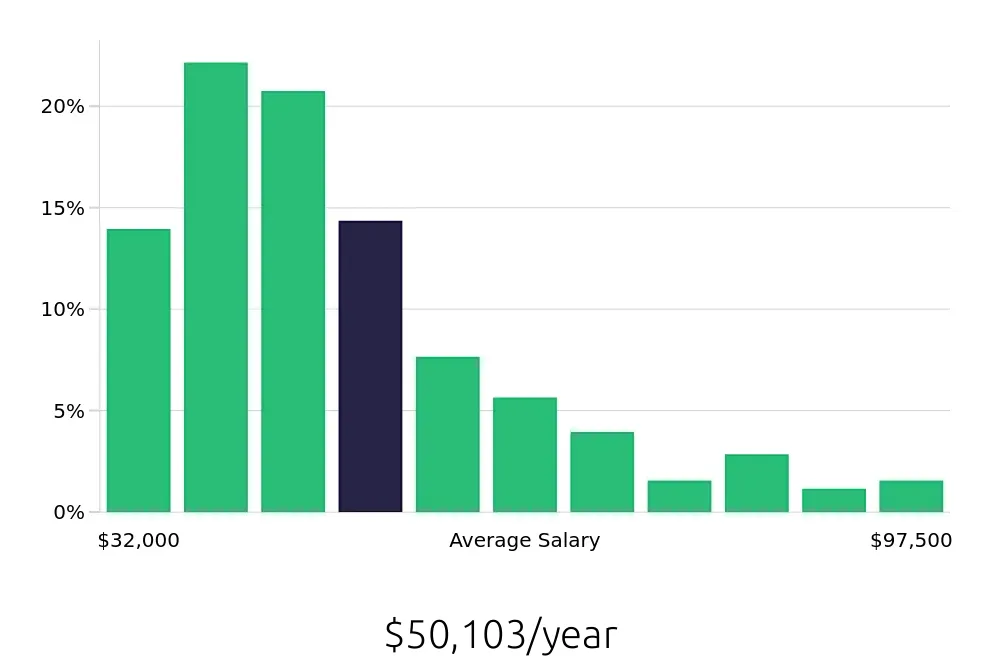
Health Care Coordinators play a key role in the healthcare industry. This role offers promising job opportunities and a stable career path. The U.S. Bureau of Labor Statistics (BLS) reports an average of 54,700 job positions opening each year. With a projected job outlook growth of 28.4% from 2022 to 2032, this field is set to expand significantly. The BLS also notes a competitive average annual salary of $134,440, making it an attractive option for job seekers.
Health Care Coordinators coordinate patient care and ensure smooth operations within healthcare facilities. They work with doctors, nurses, and other healthcare professionals to provide the best care possible. The demand for these professionals is growing due to an aging population and increased access to healthcare services. This demand leads to more job openings and career advancement opportunities. The BLS reports an average hourly wage of $64.64, reflecting the value placed on their skills and responsibilities.
Job seekers looking to enter this field should consider the variety of roles and settings available. Health Care Coordinators can work in hospitals, clinics, private practices, and more. This versatility offers flexibility in career choices. With a strong job outlook and a rewarding role, becoming a Health Care Coordinator is a solid choice for those seeking a stable and fulfilling career in healthcare.
Currently 2,214 Health Care Coordinator job openings, nationwide.
Continue to Salaries for Health Care Coordinator