What does a Health Information Specialist do?
A Health Information Specialist plays a key role in managing and organizing health data. This professional works in various healthcare settings, ensuring that patient information is accurate and easily accessible. They collect, analyze, and protect sensitive health records. A Health Information Specialist often collaborates with doctors, nurses, and other healthcare providers to maintain high standards of data quality. Their work is vital for making informed decisions that improve patient care.
The duties of a Health Information Specialist include updating patient records, coding diagnoses and procedures, and ensuring data confidentiality. They use specialized software to keep records up to date and comply with legal requirements. Specialists also prepare reports for healthcare administrators and decision-makers. Their work helps healthcare providers offer better services and comply with regulations. This position requires strong attention to detail and knowledge of healthcare laws and privacy standards.
How to become a Health Information Specialist?
Becoming a Health Information Specialist involves several steps. This career often requires specialized training and a strong understanding of healthcare systems. With the right education and skills, one can excel in this field.
To start, a person should earn a high school diploma or GED. This basic requirement ensures a solid foundation in education. Next, one needs to complete a program in health information technology. Many community colleges offer these programs. After completing the program, obtaining certification is essential. Certification through organizations like AHIMA can make a candidate more attractive to employers. Experience in a healthcare setting is also beneficial. Many employers prefer candidates with some experience in medical records or health information management. Finally, staying updated with the latest healthcare regulations and technologies is important. This ongoing education can help a Health Information Specialist stay current in their field.
Aspiring Health Information Specialists can follow these steps:
- Earn a high school diploma or GED.
- Complete a health information technology program.
- Get certified through organizations like AHIMA.
- Gain experience in a healthcare setting.
- Stay updated with healthcare regulations and technologies.
How long does it take to become a Health Information Specialist?
Embarking on the journey to become a Health Information Specialist offers a clear path to a fulfilling career. The timeline to reach this point varies, but it typically follows a structured educational route. Most specialists complete an associate’s degree in health information technology, which takes around two years. Some choose a bachelor’s degree, extending the process to four years. This education equips candidates with the skills needed for the job.
After completing formal education, gaining practical experience enhances job prospects. Internships or entry-level positions in healthcare settings allow for hands-on learning. This step might take a year or more, depending on local job availability and personal dedication. Certifications, such as the Registered Health Information Administrator (RHIA) credential, can further boost career advancement. These credentials often require passing an exam and meeting work experience requirements, adding another layer to the timeline.
Health Information Specialist Job Description Sample
A Health Information Specialist plays a crucial role in managing patient health information and ensuring the accuracy and security of health records. This role is essential in healthcare settings, where maintaining the integrity of patient data is vital for quality care delivery.
Responsibilities:
- Manage and oversee patient health information and records to ensure accuracy, completeness, and confidentiality.
- Implement and monitor compliance with health information standards and regulations, including HIPAA.
- Collaborate with healthcare professionals to improve the quality and usability of health information.
- Oversee the coding and classification of medical services and procedures to facilitate billing and reimbursement processes.
- Train and educate staff on health information management practices and compliance requirements.
Qualifications
- Bachelor’s degree in Health Information Management, Health Sciences, or a related field.
- RHIA (Registered Health Information Administrator) or RHIT (Registered Health Information Technician) certification preferred.
- Minimum of 2 years of experience in health information management or a similar role.
- Strong understanding of healthcare systems, medical terminology, and health information privacy laws.
- Proficiency in health information systems and electronic health records (EHR) software.
Is becoming a Health Information Specialist a good career path?
A Health Information Specialist plays a vital role in healthcare settings. They manage patient records, ensuring they are accurate and accessible. Specialists work in hospitals, clinics, and other healthcare facilities. They protect patient privacy and comply with healthcare regulations. This role demands attention to detail and strong organizational skills.
Choosing this career has its benefits and challenges. Consider these factors when deciding if this path suits you. Here are some pros and cons to keep in mind:
- Pros:
- Opportunity to make a direct impact on patient care.
- Stable job market with growing demand.
- Potential for career advancement and specialization.
- Cons:
- Work can be repetitive and require long hours.
- Need to handle sensitive information, which can be stressful.
- Limited opportunities for direct patient interaction.
What is the job outlook for a Health Information Specialist?
Health Information Specialists play a crucial role in the healthcare industry. They manage patient data and ensure its accuracy and security. This role is in demand, with an average of 15,000 job positions available each year. The U.S. Bureau of Labor Statistics (BLS) predicts an 8.5% increase in job openings from 2022 to 2032. This growth highlights the importance of this profession and offers many opportunities for job seekers.
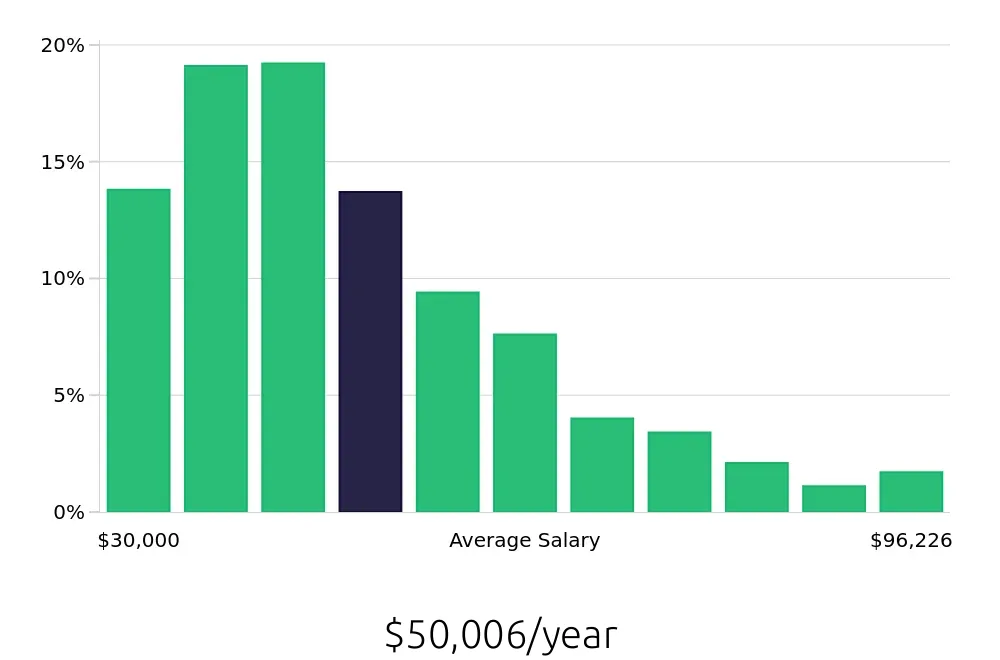
A career as a Health Information Specialist comes with competitive compensation. The BLS reports an average annual salary of $53,690. This translates to an hourly wage of $25.81. These figures show that this role provides a stable and rewarding income. With proper training and experience, professionals can expect to earn a good living. This makes it an attractive option for many job seekers in the healthcare field.
Job seekers interested in this field can expect a positive job outlook. The growing need for accurate patient data management ensures steady demand. Health Information Specialists are essential for maintaining the quality and safety of healthcare services. Their work is vital, and this demand is expected to rise in the coming years. This makes it an excellent time to pursue a career in this area.
Currently 411 Health Information Specialist job openings, nationwide.
Continue to Salaries for Health Information Specialist