What does a Health Technician do?
A Health Technician works to support healthcare providers and ensure smooth operations in medical settings. This role involves a variety of tasks, including preparing patients for examinations and treatments. Health Technicians might also assist with medical procedures, making sure everything runs efficiently. They maintain medical records, ensuring all patient information is accurate and up-to-date. Additionally, Health Technicians often handle administrative tasks, such as scheduling appointments and managing patient flow. Their role is crucial for providing quality care and maintaining the overall functioning of healthcare facilities.
Health Technicians collaborate closely with doctors, nurses, and other medical staff. They must follow strict safety and privacy guidelines to protect patient information. This role demands attention to detail, strong communication skills, and the ability to handle sensitive situations with care. Health Technicians need to be well-organized and able to multitask effectively. They also need to stay informed about the latest healthcare practices and technologies. In this role, they support the healthcare team, ensuring that patients receive the best possible care. Health Technicians play an important part in the healthcare system, contributing to better health outcomes and patient satisfaction.
How to become a Health Technician?
Becoming a Health Technician involves several key steps. This role provides valuable support in healthcare settings, making it a rewarding career. To start, one should focus on gaining the necessary education and training. This often begins with obtaining a high school diploma or GED.
After that, individuals can enroll in a post-secondary program. These programs offer courses in medical terminology, patient care, and clinical procedures. Completing a certification or associate degree can greatly enhance job prospects. Continuing education and hands-on experience are crucial to mastering the skills needed for this role.
Here are five essential steps to become a Health Technician:
- Get a High School Diploma: This is the first step. It provides a foundation for further education.
- Enroll in a Health Technician Program: Look for accredited programs that offer hands-on training.
- Complete the Program: Study medical topics and practice skills in labs or clinics.
- Obtain Certification: Many employers prefer or require certification. Check local requirements.
- Gain Experience: Work in hospitals, clinics, or other healthcare facilities to build experience.
How long does it take to become a Health Technician?
Health technicians play a vital role in the medical field, helping with patient care and supporting healthcare providers. The path to becoming a health technician typically involves completing specific education and training programs. This journey can vary in length depending on the chosen specialty and the level of certification.
For many, the first step is earning a high school diploma or GED. After this, individuals can pursue a certificate or diploma from a vocational school, community college, or university. These programs often take one to two years to complete. For those looking to advance or specialize, an associate's degree in health technology may take an additional one to two years. Some technicians choose to go further, completing a bachelor's degree, which takes about four years. On average, it takes between two to four years to become a certified health technician.
During this time, aspiring health technicians gain hands-on experience and theoretical knowledge. They learn skills like operating medical equipment, taking vital signs, and assisting with patient care. Completing an internship or residency program can also help. This practical experience is essential for those ready to take certification exams, which can vary by specialty and state. Successful completion of these exams opens doors to a rewarding career in healthcare.
Health Technician Job Description Sample
A Health Technician is responsible for supporting healthcare professionals by performing a variety of tasks to ensure smooth operations within a healthcare facility. This role involves direct patient care, administrative duties, and the operation and maintenance of medical equipment.
Responsibilities:
- Assist healthcare professionals in providing patient care, including taking vital signs, collecting specimens, and performing basic laboratory tests.
- Prepare examination rooms, ensuring they are clean and stocked with necessary supplies and equipment.
- Assist in the operation and maintenance of medical equipment, ensuring it is functioning properly and reporting any malfunctions to the appropriate personnel.
- Provide administrative support, such as scheduling appointments, managing patient records, and handling correspondence.
- Educate patients about their treatments and procedures, addressing any questions or concerns they may have.
Qualifications
- High school diploma or equivalent required; additional certification in medical assisting or a related field is preferred.
- Previous experience in a healthcare setting is highly desirable.
- Strong knowledge of medical terminology, procedures, and equipment.
- Excellent communication and interpersonal skills, with the ability to work well in a team environment.
- Attention to detail and the ability to maintain accurate and complete patient records.
Is becoming a Health Technician a good career path?
A Health Technician plays an important role in the healthcare industry. They work closely with doctors and nurses to ensure patients receive the best care. This career involves operating and maintaining medical equipment, conducting tests, and helping with patient care. Many health technicians find jobs in hospitals, clinics, and private practices. With the right training, this role can lead to many opportunities.
Choosing a career as a Health Technician has its own set of benefits and challenges. Understanding these can help someone decide if this is the right career path. Below are some pros and cons to consider.
Pros of Being a Health Technician:
- Job Stability: There is a steady demand for health technicians in various healthcare settings.
- Short Training Period: Training programs for health technicians are often shorter than those for other healthcare roles.
- Helping Others: This job allows someone to directly contribute to patient care and health outcomes.
- Variety of Settings: Health technicians can work in hospitals, clinics, and even research labs.
Cons of Being a Health Technician:
- Physical Demands: The job can be physically demanding, requiring standing for long hours and lifting equipment.
- Emotional Stress: Working in healthcare can be emotionally challenging, especially when dealing with patients in critical condition.
- Continuous Learning: The medical field is always changing, requiring health technicians to keep learning new skills and technologies.
- Limited Career Advancement: Opportunities for advancement can be limited, especially without additional education or certifications.
What is the job outlook for a Health Technician?
Health Technicians can look forward to a promising job outlook. The U.S. Bureau of Labor Statistics (BLS) shows there are about 3,000 job openings each year. This role is expected to grow by 10.1% from 2022 to 2032. This growth is driven by an aging population and the need for more healthcare services. More people visiting doctors and hospitals means more demand for health technicians.
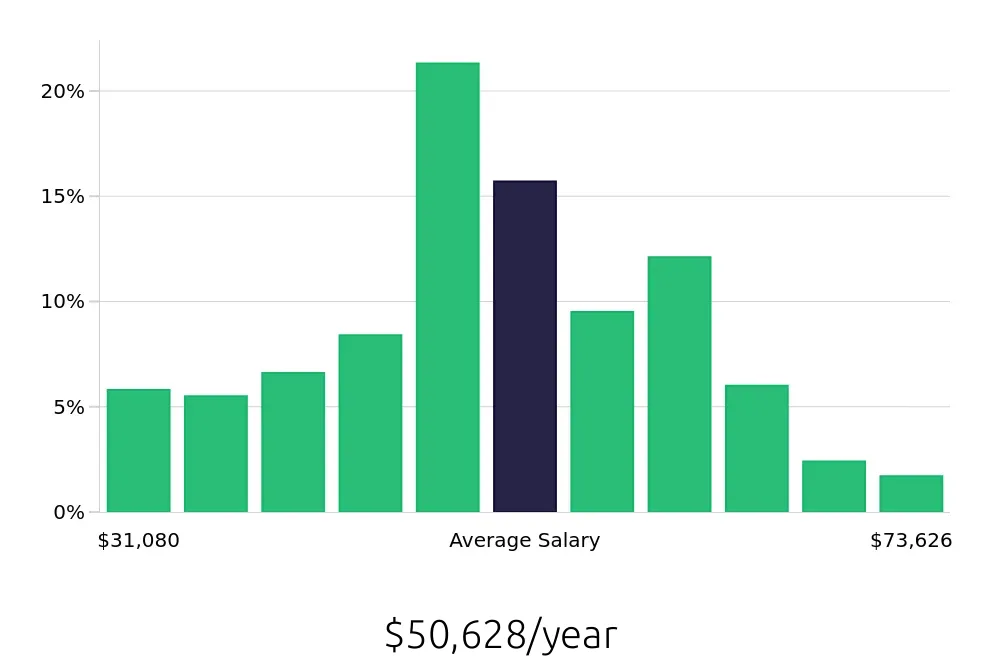
Health Technicians earn a solid income too. On average, they make about $81,690 per year. Hourly, they earn around $39.27. This pay reflects the important work they do in supporting healthcare professionals. Their role is key to keeping medical operations running smoothly. With demand rising, job opportunities and pay scales are likely to remain strong.
The BLS data shows a clear upward trend in job openings for Health Technicians. Job seekers in this field have much to look forward to. A growing job market, good pay, and a stable career path make this a smart choice. For those considering this role, the future looks bright and full of potential.
Currently 193 Health Technician job openings, nationwide.
Continue to Salaries for Health Technician