What does a Home Care Coordinator do?
A Home Care Coordinator plays a crucial role in providing personalized care to individuals who need assistance in their own homes. This position involves working closely with clients, healthcare providers, and support staff to create and implement care plans that meet each person's unique needs. The coordinator ensures that the care provided is of high quality and that the client’s comfort and safety are always prioritized.
Responsibilities of a Home Care Coordinator include scheduling and coordinating care visits, communicating with healthcare professionals, and overseeing the work of caregivers. They also assess the needs of clients, prepare detailed care plans, and monitor the progress of each individual. This role requires strong organizational skills, excellent communication abilities, and a compassionate approach to care. A Home Care Coordinator makes a significant difference in the lives of those they assist, ensuring that clients receive the support they need to maintain their independence and quality of life at home.
How to become a Home Care Coordinator?
A Home Care Coordinator plays a vital role in the healthcare industry. This position involves coordinating care for patients who need assistance in their own homes. If you aim to become a Home Care Coordinator, follow these steps to prepare and succeed in this career.
Begin with gaining a solid educational foundation. A high school diploma is the minimum requirement. Some employers may prefer candidates with a degree in healthcare or social services. Enrolling in a program related to these fields can provide valuable knowledge and skills. This step lays the groundwork for understanding patient care and healthcare systems.
- Earn the necessary qualifications.
- Gain relevant experience.
- Build a strong professional network.
- Apply for positions.
- Continue professional development.
Gaining practical experience is essential. Volunteer or work in a healthcare setting. This experience helps to understand patient needs and the logistics of care coordination. It also provides insight into the daily responsibilities of a Home Care Coordinator. Look for opportunities in hospitals, clinics, or home care agencies.
Building a professional network is crucial. Connect with healthcare professionals and attend job fairs. Networking can open doors to job opportunities and provide valuable advice. Join professional organizations and engage in community events related to healthcare. These connections can lead to job referrals and mentorship opportunities.
- Apply for positions by crafting a strong resume and cover letter. Highlight your education, experience, and skills. Tailor each application to the specific job description. Use clear and concise language. Include any certifications, such as a Certified Nursing Assistant (CNA) or Home Health Aide (HHA) certification, if you have them.
- Continue professional development by attending workshops and courses. Stay updated on the latest healthcare practices and regulations. Certifications in care coordination or management can enhance your credentials. This step ensures that you remain competitive in the job market and provide the best care possible.
How long does it take to become a Home Care Coordinator?
The journey to becoming a Home Care Coordinator can vary. This role often needs a mix of education, training, and experience. Many start with a high school diploma. They then pursue a certificate or associate’s degree in health care administration or a similar field. This education typically takes one to two years.
After completing formal education, hands-on experience often follows. Many people gain this through internships or entry-level positions in health care settings. Working in these roles helps new coordinators understand the day-to-day tasks of the job. Some may choose to become certified. This can further boost their career prospects and earning potential. Overall, it may take between two to four years to fully qualify as a Home Care Coordinator.
Home Care Coordinator Job Description Sample
The Home Care Coordinator is responsible for overseeing and coordinating the delivery of personalized home care services to clients. This role ensures that clients receive high-quality care, that caregivers are well-supported, and that service operations run smoothly.
Responsibilities:
- Develop and implement personalized care plans for clients based on their individual needs and preferences.
- Coordinate and schedule caregivers to ensure coverage and continuity of care.
- Conduct regular assessments and evaluations of clients' care needs and adjust care plans as necessary.
- Maintain accurate and up-to-date client records and documentation.
- Provide training and support to caregivers, ensuring they are knowledgeable about clients' needs and care protocols.
Qualifications
- Bachelor's degree in Social Work, Nursing, or a related field.
- Minimum of 3 years of experience in home care coordination or a similar role.
- Strong understanding of home care services and the needs of elderly or disabled individuals.
- Excellent organizational and time management skills.
- Strong communication and interpersonal skills.
Is becoming a Home Care Coordinator a good career path?
A Home Care Coordinator plays a vital role in managing the care of clients in their own homes. They work with patients, families, and healthcare professionals. They ensure that clients receive the best care possible. This position combines empathy with strong organizational skills. It offers a unique opportunity to make a difference in people’s lives.
Being a Home Care Coordinator involves many duties. Coordinators schedule appointments, organize care plans, and oversee the work of caregivers. They need to communicate clearly with clients and their families. They must also stay up-to-date with the latest healthcare practices. This role provides a chance to build strong relationships with clients. It also allows for flexibility in work hours. However, it can be demanding, requiring long hours and emotional resilience.
Below are some pros and cons to consider when thinking about this career path.
- Flexibility: Many coordinators can choose their own schedules.
- Impact: This role allows for a direct impact on the lives of clients.
- Teamwork: Coordinators work closely with caregivers and healthcare providers.
- Skill Development: The job offers chances to learn new skills and grow.
- Stress: The job can be emotionally and physically demanding.
- Variability: Hours and duties can change frequently.
- Isolation: Much of the work takes place in people’s homes, which can be isolating.
- Regulatory Knowledge: Staying updated with laws and regulations is essential.
What is the job outlook for a Home Care Coordinator?
The role of a Home Care Coordinator offers promising career opportunities for job seekers. The Bureau of Labor Statistics (BLS) reports an average of 19,100 job positions available each year. This steady number of openings ensures a consistent demand for qualified professionals in this field.
Looking ahead, the job outlook for Home Care Coordinators is positive. The BLS projects an 8.3% increase in job openings from 2022 to 2032. This growth reflects the growing need for home care services in an aging population. As more individuals require care in their homes, the demand for skilled coordinators will continue to rise.
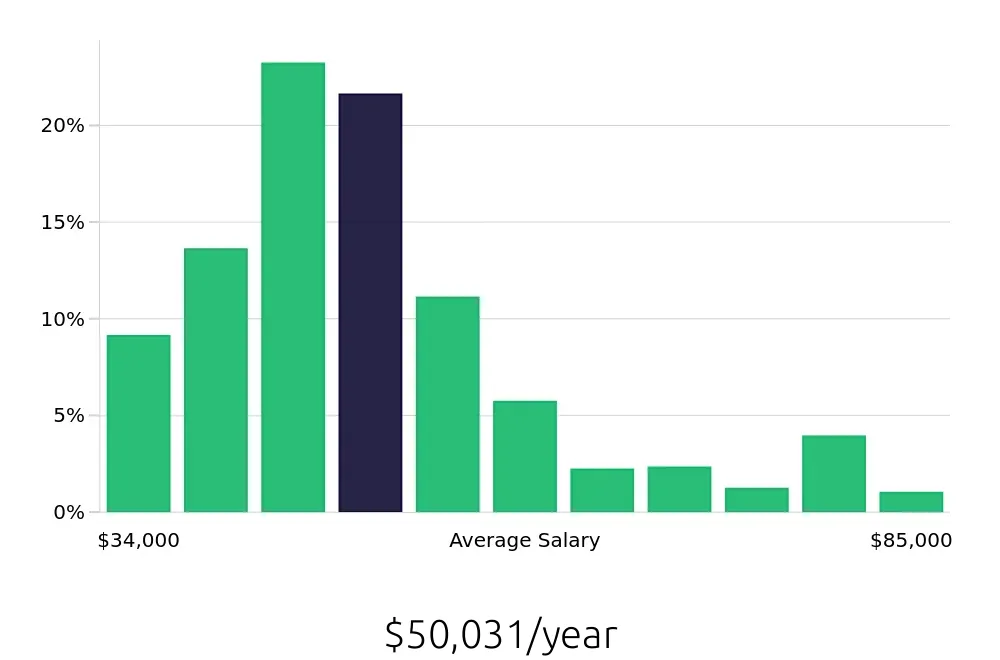
Compensation for Home Care Coordinators is competitive. The BLS reports an average national annual salary of $50,090. Hourly, the average pay stands at $24.08. These figures highlight the financial rewards that come with pursuing a career in this rewarding field. With a growing job market and attractive pay, this role is an excellent choice for job seekers.
Currently 176 Home Care Coordinator job openings, nationwide.
Continue to Salaries for Home Care Coordinator