What does a Information Technology Manager do?
An Information Technology Manager plays a vital role in guiding a company’s technology strategy. This professional ensures that the organization's IT systems are secure and efficient. They oversee the installation and maintenance of computer systems and networks. The manager coordinates with different departments to understand their technology needs and develops solutions to meet those needs. They also manage the IT budget and allocate resources effectively to maximize technology benefits.
This role requires strong leadership and communication skills. The manager trains and supervises IT staff, fostering a collaborative work environment. They stay updated with the latest technology trends and ensure the company adopts the best practices. This position is essential in driving the company’s digital transformation initiatives, ensuring technology aligns with business goals. The Information Technology Manager works closely with executives to align IT strategies with overall business objectives.
How to become a Information Technology Manager?
Becoming an Information Technology (IT) Manager involves several key steps. This career offers opportunities to lead teams, implement technology solutions, and ensure organizational efficiency. Below are the essential steps to pursue this role.
The journey starts with gaining a solid foundation in IT. This includes obtaining a degree in computer science, information technology, or a related field. Many employers prefer candidates with formal education. Gaining relevant certifications can also boost your qualifications. Popular certifications include CompTIA IT Fundamentals, Cisco CCNA, and Microsoft Certified: Azure Solutions Architect Expert. Experience in various IT roles can provide practical skills and a better understanding of the field.
- Obtain formal education in IT-related fields.
- Earn relevant certifications to enhance qualifications.
- Gain practical experience through various IT roles.
- Develop leadership and management skills.
- Seek opportunities for professional growth and networking.
Developing strong leadership and management skills is crucial. This involves working on project management, team leadership, and strategic planning. Opportunities to take on managerial roles in IT projects can help build these skills. Engaging in professional development courses and attending industry conferences can also be beneficial. Networking with other IT professionals creates opportunities for mentorship and career advancement.
How long does it take to become a Information Technology Manager?
The journey to becoming an Information Technology (IT) Manager involves several stages. First, gaining a strong foundation in IT through education and entry-level roles sets the stage. Many professionals start with a bachelor's degree in computer science, information technology, or a related field. This often takes about four years to complete.
After completing an undergraduate degree, it is common to work in roles such as a network administrator or systems analyst. This hands-on experience usually spans two to five years. With solid experience under their belt, IT professionals then aim for managerial roles. This may take another three to five years, depending on the organization and available opportunities. By accumulating a mix of education and work experience, an individual positions themselves to pursue an IT Manager role.
Information Technology Manager Job Description Sample
The Information Technology Manager is responsible for overseeing the IT department and ensuring that the company's technology infrastructure is robust, secure, and efficient. This role involves managing IT staff, developing IT strategies, and ensuring that technology resources align with the company's goals and objectives.
Responsibilities:
- Develop and implement IT policies and procedures.
- Manage the IT department, including hiring, training, and performance evaluation of IT staff.
- Ensure the security and integrity of the company's data and IT infrastructure.
- Oversee the maintenance and upgrade of hardware and software systems.
- Coordinate with other departments to understand their IT needs and provide solutions.
Qualifications
- Bachelor’s degree in Information Technology, Computer Science, or a related field.
- Proven experience as an Information Technology Manager or similar role.
- Strong knowledge of IT systems, including hardware, software, and network security.
- Excellent leadership and team management skills.
- Strong problem-solving and decision-making abilities.
Is becoming a Information Technology Manager a good career path?
An Information Technology Manager oversees a company’s technology resources. They ensure that the technology works smoothly and meets the company's needs. This job requires knowledge of computers, software, and networks. It also involves managing a team of IT professionals. Managers make decisions that impact the entire organization. They must stay updated with the latest tech trends.
Working as an Information Technology Manager has several advantages. Managers have opportunities for career growth. They can advance to higher positions or specialize in areas like cybersecurity or data analysis. Managers also earn competitive salaries. Their work is important, as technology plays a crucial role in business operations. However, this job also has challenges. Managers often work long hours, especially during crises or major projects. They must constantly update their skills to keep up with rapid tech changes. Balancing multiple tasks and meeting deadlines can be demanding.
Consider these pros and cons before pursuing a career as an Information Technology Manager.
- Pros:
- Opportunities for career growth
- Competitive salaries
- Important role in business operations
- Cons:
- Long working hours
- Constant need to update skills
- High pressure to meet deadlines
What is the job outlook for a Information Technology Manager?
The job outlook for Information Technology Managers is bright. The Bureau of Labor Statistics (BLS) projects about 33,500 new job openings each year. This role is expected to grow by 9.7% from 2022 to 2032. This growth rate is higher than the average for all occupations, making it a promising field for job seekers. The increasing reliance on technology in various industries drives this demand.
Information Technology Managers play a crucial role in managing a company's computer systems and networks. Their tasks include overseeing IT projects, managing budgets, and ensuring security. As businesses continue to adopt advanced technologies, the need for skilled IT Managers grows. This trend opens up many opportunities for those with the right skills and experience.
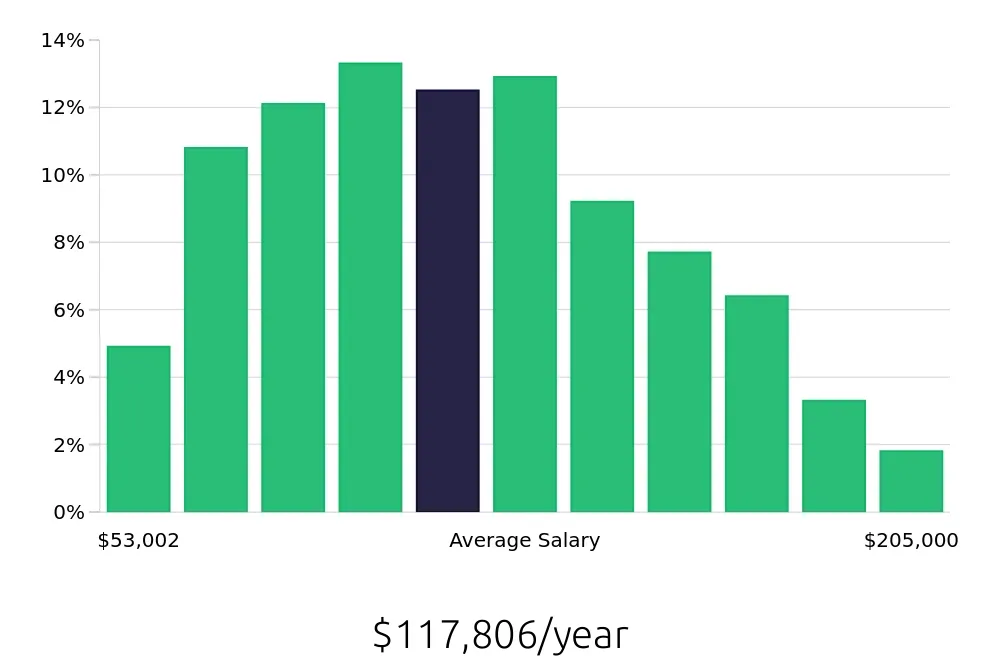
A career in IT management offers attractive compensation. The average annual salary is $112,430, according to BLS data. The average hourly rate is $54.05. These figures reflect the value employers place on experienced IT Managers. With the right qualifications and a proactive approach to job hunting, you can secure a rewarding position in this dynamic field.
Currently 436 Information Technology Manager job openings, nationwide.
Continue to Salaries for Information Technology Manager