What does a Inside Sales Engineer do?
An Inside Sales Engineer plays a key role in helping a company grow. They work from an office setting, using their skills to understand customers' needs and present solutions. This person talks to clients via phone, email, or video calls. They explain products or services in detail and answer any questions. Their goal is to build strong relationships with clients and guide them toward making a purchase.
Inside Sales Engineers must stay up-to-date with the latest industry trends and product knowledge. They often work closely with the sales team to develop strategies that meet customer needs. By doing so, they help increase sales and improve customer satisfaction. This position requires strong communication skills, attention to detail, and a customer-focused mindset.
In this role, an Inside Sales Engineer may perform the following tasks:
- Conduct product demonstrations and presentations
- Research potential customers and their needs
- Follow up with leads to convert them into sales
- Collaborate with the sales team to develop marketing strategies
- Prepare sales reports and forecasts
How to become a Inside Sales Engineer?
Becoming an Inside Sales Engineer can lead to a rewarding career. This path combines technical skills with sales expertise. The journey includes specific steps to follow. Follow these steps to increase chances of success.
First, gain the necessary education. An associate’s or bachelor’s degree in engineering or a related field is ideal. Some opt for technical certifications to boost their resumes. Second, build technical skills. Learn about the products or services you will sell. Understand how they work and their features. Third, develop sales skills. Take courses in sales techniques or enroll in a sales training program. Practice communication and negotiation skills.
- Obtain relevant experience. Start with internships or entry-level positions in sales or engineering. This builds practical skills and industry knowledge.
- Network with professionals. Attend industry events and join online forums. Build connections that can lead to job opportunities.
- Apply for Inside Sales Engineer positions. Tailor resumes to highlight relevant skills and experiences. Prepare for interviews by practicing common questions.
How long does it take to become a Inside Sales Engineer?
Interested in a career as an Inside Sales Engineer? This role offers a great blend of technical skill and customer engagement. The journey starts with gaining relevant education and experience. Most employers look for candidates with a bachelor's degree in engineering, computer science, or a related field. Some gain skills through vocational training or certifications.
After education, gaining experience is key. Many new Inside Sales Engineers start in entry-level positions. They work closely with seasoned professionals to learn the trade. Practical experience helps in understanding customer needs and product specifications. Building a strong portfolio and network can speed up the process. On average, it takes two to four years to transition from entry-level to a full Inside Sales Engineer role. Continuous learning and skill updates are vital for career growth in this field.
Inside Sales Engineer Job Description Sample
The Inside Sales Engineer is responsible for driving revenue through the identification, pursuit, and closure of new business opportunities. This role involves leveraging technical expertise to understand customer needs, present solutions, and close sales deals while working closely with cross-functional teams to ensure customer satisfaction.
Responsibilities:
- Develop and maintain relationships with key decision-makers and influencers within target accounts.
- Conduct sales presentations and demonstrations to highlight the features and benefits of our products and services.
- Collaborate with the technical team to understand product capabilities and prepare for customer needs.
- Analyze customer requirements and tailor solutions to meet those needs, providing technical expertise and guidance.
- Participate in the development of sales strategies and plans in alignment with the company's goals.
Qualifications
- Bachelor’s degree in Engineering, Business, or a related field.
- Minimum of 3-5 years of experience in a sales role, preferably in the engineering, technology, or manufacturing sectors.
- Strong understanding of engineering concepts, product features, and industry trends.
- Proven track record of meeting and exceeding sales targets and quotas.
- Excellent communication, presentation, and interpersonal skills.
Is becoming a Inside Sales Engineer a good career path?
Working as an Inside Sales Engineer involves using technology and communication skills to sell products from within an office. This role combines technical expertise with sales strategies. It is ideal for those who enjoy problem-solving and helping customers. Inside Sales Engineers often work closely with clients to understand their needs and match them with the right solutions. This position requires a mix of technical know-how and sales skills, making it a unique career choice.
The role of an Inside Sales Engineer has many benefits. This job offers a stable work environment, often with a set schedule. Remote work opportunities are common, giving flexibility. This role also allows for continuous learning, keeping skills fresh and relevant. Interaction with clients and teams every day keeps the work engaging. However, this career has its challenges. It can be fast-paced and sometimes stressful, especially when meeting sales targets. Working mostly on a computer can lead to physical strain. Adapting to new products and technologies is also a continuous requirement.
Here are some pros and cons of being an Inside Sales Engineer:
- Pros:
- Opportunities for remote work
- Continuous learning and skill development
- Helping clients solve problems
- Stable work environment
- Cons:
- Fast-paced and potentially stressful
- Need to constantly adapt to new technologies
- Physical strain from long hours on the computer
What is the job outlook for a Inside Sales Engineer?
Becoming an Inside Sales Engineer offers a stable and growing career path. The Bureau of Labor Statistics (BLS) reports an average of 5,900 job positions available each year for this role. The outlook shows a promising 4.7% increase in job openings from 2022 to 2032, indicating solid growth potential. With this steady demand, professionals in this field can expect a reliable job market.
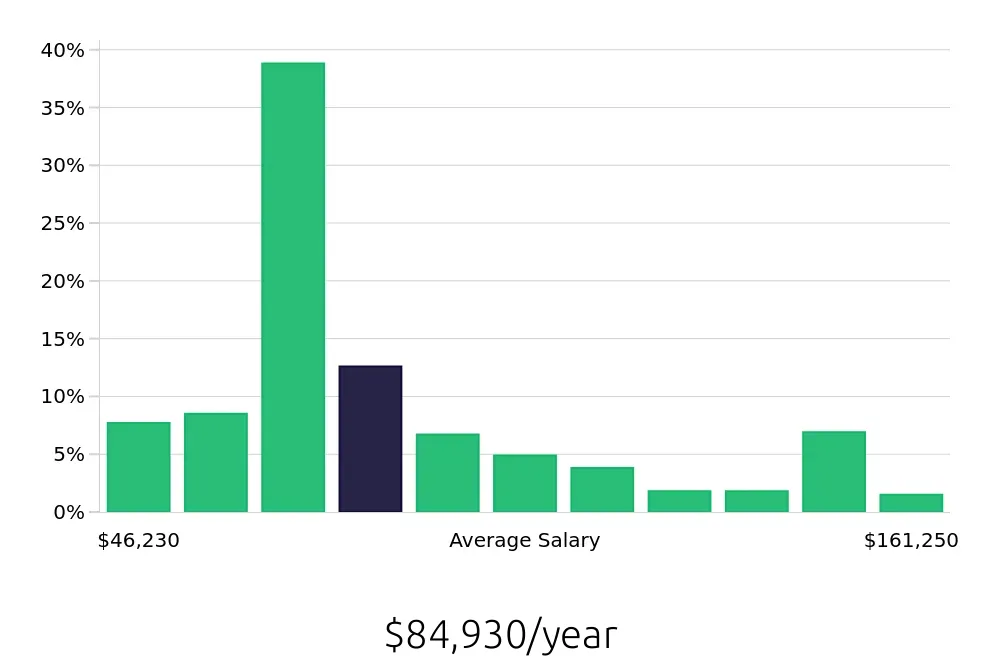
Inside Sales Engineers enjoy competitive compensation. According to the BLS, the average national annual salary is $130,550. This figure highlights the rewarding financial prospects of the profession. Additionally, hourly compensation averages $62.77, which reflects the value placed on skills and experience in this role. These figures make the career both attractive and financially viable for job seekers.
Interested job seekers will find the Inside Sales Engineer career to be both secure and lucrative. The job outlook supports a consistent demand for skilled professionals. With a steady number of job openings and competitive salary packages, this field offers a great opportunity for those seeking a stable and rewarding career.
Currently 53 Inside Sales Engineer job openings, nationwide.
Continue to Salaries for Inside Sales Engineer