What does a Insurance Specialist do?
An Insurance Specialist plays a crucial role in helping clients understand their insurance needs. They assess individual or business insurance requirements and recommend suitable plans. This position involves analyzing policies to ensure coverage meets client needs. Specialists also handle claims processing, communicating with clients, and offering guidance during claims. They maintain detailed records of client interactions and transactions.
Insurance Specialists work closely with underwriters and claims adjusters. They ensure that all documentation is accurate and complete. Communication skills are key, as they often explain complex insurance terms to clients. Attention to detail helps them identify and resolve any issues quickly. This role requires a blend of technical knowledge, customer service skills, and the ability to work in a fast-paced environment. The goal is to provide clients with peace of mind by securing appropriate insurance coverage.
How to become a Insurance Specialist?
A career as an Insurance Specialist can be rewarding and fulfilling. Achieving this role requires dedication, education, and strategic planning. Follow these steps to embark on a successful journey toward becoming an Insurance Specialist.
First, securing the right education is essential. Most employers seek candidates with at least a bachelor's degree in business, finance, or a related field. This educational foundation will provide the knowledge and skills needed to understand the complexities of insurance policies and regulations.
- Earn a Degree: Pursue a bachelor’s degree in business, finance, or a similar field.
- Gain Experience: Seek internships or entry-level positions in the insurance industry. This experience will offer practical insights and make your resume more competitive.
- Obtain Certification: Consider earning professional certifications such as the Certified Insurance Counselor (CIC) or Certified Insurance Service Representative (CISR). These credentials can enhance your qualifications.
- Network: Connect with industry professionals through networking events, job fairs, and online platforms like LinkedIn. Building relationships can open doors to job opportunities.
- Apply for Jobs: Look for positions with insurance companies, brokerages, and other related organizations. Tailor your resume and cover letter for each application to highlight relevant skills and experience.
How long does it take to become a Insurance Specialist?
Choosing a career as an insurance specialist offers a stable path with good growth opportunities. This role often requires specialized training. The time to complete this training can vary. Factors such as education level, experience, and chosen certification paths affect the timeline. Most insurance specialists start with a high school diploma or GED. They then pursue further education to meet industry standards.
To gain the necessary skills, individuals typically complete a combination of coursework and hands-on experience. A common route is to enroll in a post-secondary program. These programs often last from a few months to two years. They cover essential topics like insurance policies, regulations, and customer service. Some people may choose to take additional courses or pursue a degree in a related field. This can extend the timeline by another one to two years. Certifications, such as those offered by the American Association for Licensed Adjusters (AALA) or the Institutes of Property Insurance (IPI), add another layer of training. These certifications usually require passing an exam after completing relevant coursework, which can take several months.
Insurance Specialist Job Description Sample
An Insurance Specialist plays a vital role in managing insurance policies and claims. They are responsible for evaluating insurance needs, negotiating with insurance providers, and ensuring clients have the necessary coverage. This role requires a strong understanding of various types of insurance, attention to detail, and excellent customer service skills.
Responsibilities:
- Evaluate clients' insurance needs and recommend suitable policies.
- Research, negotiate, and obtain the best possible insurance coverage for clients.
- Review and process insurance claims, ensuring timely and accurate settlements.
- Maintain detailed records of insurance policies and claims.
- Communicate with clients to explain insurance coverage, policy changes, and claim statuses.
Qualifications
- Bachelor’s degree in Business, Insurance, or a related field.
- Certification such as Associate in Risk Management (ARM) or Chartered Property Casualty Underwriter (CPCU) is a plus.
- Minimum of 2-3 years of experience in the insurance industry.
- Strong knowledge of various types of insurance products and industry practices.
- Excellent communication and negotiation skills.
Is becoming a Insurance Specialist a good career path?
An Insurance Specialist plays a crucial role in helping people and businesses manage their insurance needs. This career involves evaluating clients' risks, recommending suitable policies, and managing claims. It is a rewarding field that combines customer service with financial expertise. Specialists often work in offices, but some may work remotely. They typically need to meet with clients and may need to travel.
Choosing a career as an Insurance Specialist has many benefits. Working in insurance provides job security and often includes a stable income. Specialists gain trust through helping others, which can be very fulfilling. They work in a regulated field, which often ensures compliance and ethical standards. However, this job comes with its challenges. Specialists must manage high-pressure situations and meet strict deadlines. The work can sometimes be repetitive, and there is often the need to deal with difficult customers or complex claims.
Consider these pros and cons to see if this career is right for you:
- Pros:
- Job security and stability
- Helping others manage risks
- Opportunities for career advancement
- Cons:
- High-pressure work environment
- Need to meet strict deadlines
- Possible repetitive tasks
- Dealing with difficult situations and customers
What is the job outlook for a Insurance Specialist?
The Insurance Specialist role is experiencing steady demand, with an average of 22,100 job positions available each year. This occupation continues to offer reliable opportunities for those entering the workforce. The BLS forecasts a slight decrease in job openings by 3.2% from 2022 to 2032. This change suggests that while the industry may not be expanding rapidly, it remains stable and offers consistent career prospects.
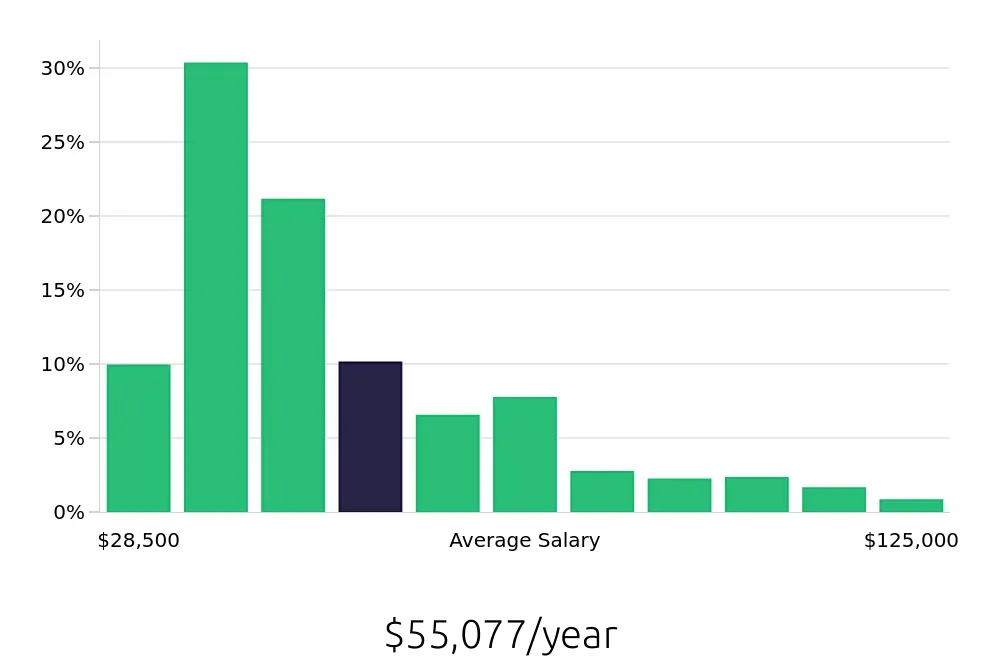
Individuals in this field can expect a competitive average national annual compensation of $49,530. This figure indicates that an Insurance Specialist can earn a solid income, reflecting the value and expertise required in this role. Hourly compensation stands at $23.81, offering a clear picture of the earning potential on an hourly basis. These figures highlight the financial rewards that can accompany a career in insurance specialization.
For job seekers, the Insurance Specialist role provides a promising outlook. With a stable job market, attractive compensation, and the potential for professional growth, this career path is worth considering. Aspiring specialists should leverage their skills and education to secure positions in this dynamic field.
Currently 284 Insurance Specialist job openings, nationwide.
Continue to Salaries for Insurance Specialist