What does a Intake Coordinator do?
An Intake Coordinator plays a vital role in many organizations. This person ensures smooth transitions for new clients or patients. They gather essential information and documents. Intake Coordinators often work in healthcare, social services, or legal settings. They welcome new clients, explain processes, and guide them through initial steps. They may also schedule appointments and coordinate with other staff.
The Intake Coordinator needs strong organizational skills. They must manage paperwork and records efficiently. Communication is key. This role requires clear and empathetic interactions with clients. Attention to detail helps Intake Coordinators prevent errors in client information. They must also respect privacy and confidentiality. Each day brings new challenges and opportunities to help others. This position is essential for creating a positive first impression for clients.
How to become a Intake Coordinator?
Becoming an Intake Coordinator can be a rewarding career choice. This role involves handling the initial contact with clients or patients. It includes gathering necessary information and preparing them for the next steps in the process. Follow these steps to start your journey as an Intake Coordinator.
First, earning a high school diploma or GED is essential. Next, gaining experience in a customer service role can be very helpful. Some Intake Coordinators have backgrounds in healthcare or social services. After that, obtaining relevant certifications can boost job prospects. For instance, a certificate in medical office administration can be useful. Finally, developing strong communication and organizational skills is key. Many Intake Coordinators learn these skills on the job.
Consider these steps to improve job opportunities:
- Earn a high school diploma or GED.
- Gain experience in customer service.
- Consider a background in healthcare or social services.
- Obtain relevant certifications.
- Develop strong communication and organizational skills.
How long does it take to become a Intake Coordinator?
An Intake Coordinator plays an important role in various industries, from healthcare to social services. This position often serves as the first point of contact for clients or patients. The job involves gathering essential information, preparing records, and ensuring a smooth process for new clients. The time needed to enter this career can vary based on education and experience.
Typically, an Intake Coordinator needs a high school diploma or GED. Some may need additional training, like a certificate or associate’s degree. This education usually takes 1 to 2 years to complete. Hands-on experience, gained through internships or entry-level jobs, adds value. Many Intake Coordinators start as administrative assistants or receptionists, which can take a few months to a year. Gaining experience in the specific field, such as healthcare or social services, can take an additional year or more. Overall, the journey to becoming an Intake Coordinator often spans 2 to 5 years, combining education and hands-on work.
Employers often look for candidates with a mix of education and practical experience. It’s important to highlight any relevant skills, such as communication, organization, and computer proficiency. With dedication and the right preparation, aspiring Intake Coordinators can successfully enter this rewarding field in a reasonable time frame.
Intake Coordinator Job Description Sample
The Intake Coordinator is responsible for managing the initial contact and assessment process for individuals seeking services. This role ensures that clients are efficiently and effectively directed to the appropriate services and support.
Responsibilities:
- Conduct initial assessments to determine the needs and eligibility of clients.
- Coordinate intake appointments and maintain an organized intake schedule.
- Gather and document necessary information from clients to facilitate the intake process.
- Communicate with various departments and service providers to ensure seamless client transitions.
- Maintain accurate and up-to-date records of intake activities and client information.
Qualifications
- High school diploma or equivalent required; bachelor’s degree in social work, psychology, or a related field preferred.
- Proven experience in a client services or administrative role, preferably in a healthcare or social service setting.
- Strong organizational and multitasking skills.
- Excellent communication and interpersonal skills.
- Proficiency in Microsoft Office Suite and experience with database management.
Is becoming a Intake Coordinator a good career path?
Working as an Intake Coordinator offers a chance to play a crucial role in the healthcare or social services field. This job focuses on helping clients get the support they need. Intake Coordinators assess client needs, gather essential information, and direct clients to appropriate services. They work in various settings, including hospitals, clinics, and non-profit organizations.
Being an Intake Coordinator has its perks and challenges. On the positive side, this role offers the opportunity to help people in need. It allows for varied daily tasks and the chance to interact with diverse populations. Intake Coordinators often enjoy flexible schedules and may have the opportunity for career advancement. However, this role can also be demanding. It involves managing paperwork, dealing with challenging situations, and often working under tight deadlines. Emotional stress can be a part of the job due to dealing with clients who may be in difficult circumstances.
Consider the following pros and cons when thinking about a career as an Intake Coordinator:
- Pros:
- Help people in need
- Varied daily tasks
- Interact with diverse populations
- Flexible schedules
- Opportunities for career advancement
- Cons:
- Manages paperwork
- Deals with challenging situations
- Tight deadlines
- Emotional stress
What is the job outlook for a Intake Coordinator?
Job seekers looking to enter the healthcare field will find a promising opportunity in the role of Intake Coordinator. According to the Bureau of Labor Statistics (BLS), there are an average of 89,200 job positions available each year. This consistency highlights the steady demand for qualified professionals in this role. The BLS also predicts an 11.9% increase in job openings for Intake Coordinators from 2022 to 2032, reflecting a positive job outlook. This growth offers a great opportunity for those seeking stability and growth in their careers.
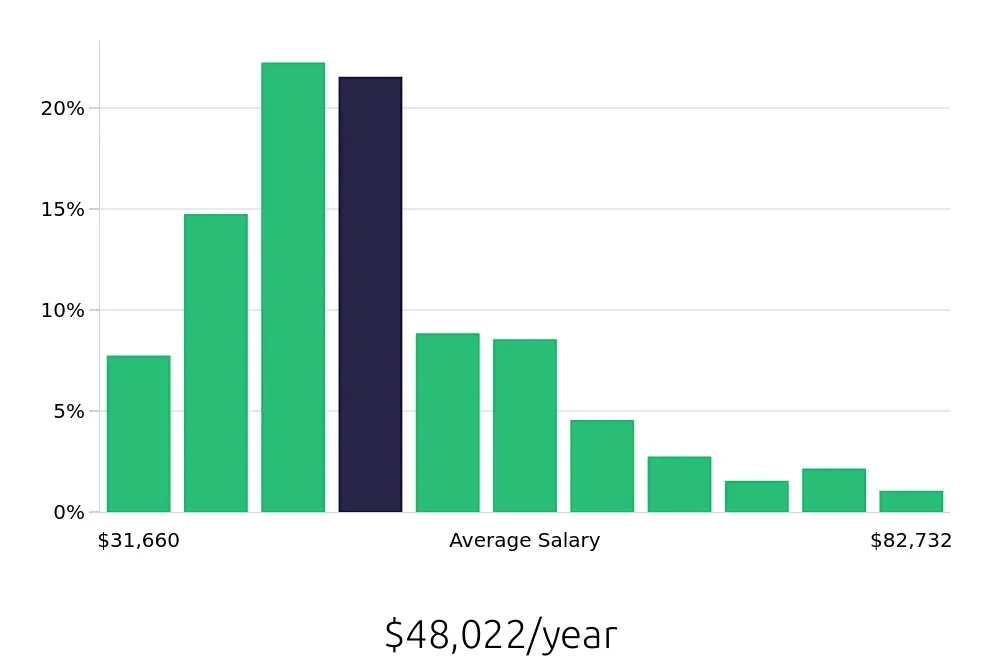
Another benefit for job seekers is the competitive salary. The BLS reports that the average national annual compensation for Intake Coordinators is $61,790. This figure provides a strong incentive for professionals to pursue this career path. Additionally, the average national hourly compensation stands at $29.71, which can translate to a stable income. This combination of a growing job market and solid compensation makes the role of Intake Coordinator an attractive choice for job seekers.
Seeking a career that combines job security with a good salary, Intake Coordinators will find this role aligns with their professional goals. With the BLS data supporting both the job outlook and compensation, it is clear that this career path offers promising opportunities. Job seekers should consider these factors when evaluating their career options and look forward to a future in this growing field.
Currently 479 Intake Coordinator job openings, nationwide.
Continue to Salaries for Intake Coordinator