What does a IT Developer do?
An IT Developer is an important role within a company's IT department. This professional focuses on creating, maintaining, and improving computer systems and software applications. They work closely with other IT staff to ensure systems run smoothly and efficiently. They use programming languages and tools to build custom software solutions tailored to the company’s needs. Additionally, IT Developers troubleshoot issues, test new software, and keep systems up to date with the latest technology trends.
Responsibilities of an IT Developer include writing clean and efficient code, collaborating with team members to understand project requirements, and ensuring that software is scalable and secure. They often work with front-end technologies to enhance user experience and back-end systems to manage data and logic. IT Developers need a strong understanding of software development principles and a knack for problem-solving. Their work is crucial in helping businesses operate effectively and adapt to new technologies.
How to become a IT Developer?
Becoming an IT developer is a rewarding journey that opens up a world of opportunities in the tech industry. This career path requires a combination of education, skills, and practical experience. By following a structured approach, one can successfully transition into this role.
The process begins with gaining the necessary education and skills. This includes earning a degree in computer science or a related field. Additionally, one should focus on learning programming languages, software development tools, and related technologies. Gaining hands-on experience through internships or personal projects is crucial. Networking with other professionals in the field can also provide valuable insights and job opportunities. Continuous learning and keeping up with industry trends will ensure long-term success in this dynamic field.
To outline the steps to becoming an IT developer:
- Earn a degree in computer science or a related field.
- Learn programming languages and software development tools.
- Gain hands-on experience through internships or personal projects.
- Network with other professionals in the tech industry.
- Continuously update skills and stay informed about industry trends.
How long does it take to become a IT Developer?
IT developers work on designing, creating, and maintaining software systems. They use their skills in programming and problem-solving to develop applications that meet user needs. The journey to becoming an IT developer can vary in length. Most often, it takes between two to four years to gain the necessary skills and education.
Formal education plays a key role in this path. Many IT developers start with a bachelor's degree in computer science or a related field. This typically takes four years to complete. Others may choose to attend a coding bootcamp or take online courses. These options can take two years or less, depending on the program's length and intensity. Some developers also gain skills through self-study and personal projects. This route can be flexible and may take anywhere from six months to two years. Networking, internships, and certifications can also help speed up the process and improve job prospects.
IT Developer Job Description Sample
The IT Developer will be responsible for designing, developing, and maintaining software applications. They will collaborate with cross-functional teams to ensure that software solutions meet business needs and are delivered on time and within budget. The IT Developer will also be responsible for troubleshooting and resolving technical issues that arise.
Responsibilities:
- Design, develop, and maintain software applications
- Collaborate with cross-functional teams to ensure software solutions meet business needs
- Troubleshoot and resolve technical issues that arise
- Ensure software solutions are delivered on time and within budget
- Participate in code reviews and provide constructive feedback
Qualifications
- Bachelor's degree in Computer Science, Information Technology, or related field
- 3+ years of experience in software development
- Proficiency in programming languages such as Java, Python, or C#
- Experience with software development methodologies such as Agile or Scrum
- Strong problem-solving skills
Is becoming a IT Developer a good career path?
An IT developer creates and maintains software systems. This role involves coding, testing, and debugging. It requires strong problem-solving skills and attention to detail. The field of IT offers many opportunities for growth and specialization. Working in IT can lead to roles like software engineer, systems analyst, or cybersecurity specialist.
Choosing a career as an IT developer has its advantages and challenges. Here are some pros and cons to consider.
- Pros:
- High Demand: IT developers are in constant demand. Companies need skilled professionals to build and maintain their systems.
- Competitive Salary: This career often comes with a good salary. Companies value skilled IT professionals.
- Opportunities for Advancement: IT developers can advance to higher roles such as project manager or IT director.
- Remote Work Options: Many IT roles offer remote work. This provides flexibility and a better work-life balance.
- Cons:
- Long Hours: Deadlines can lead to long hours, especially during critical project phases.
- Continuous Learning: Technology changes quickly. IT developers must keep learning new skills.
- Pressure to Perform: IT developers often work under pressure to meet tight deadlines.
- High Competition: The job market can be competitive. It requires strong portfolios and experience.
What is the job outlook for a IT Developer?
The job outlook for IT Developers continues to be strong, with the Bureau of Labor Statistics (BLS) reporting an average of 33,500 new positions each year from 2022 to 2032. This represents a projected growth of 9.7% over the decade, highlighting the demand for skilled IT professionals. Job seekers can look forward to a stable career path with ample opportunities for advancement and professional growth.
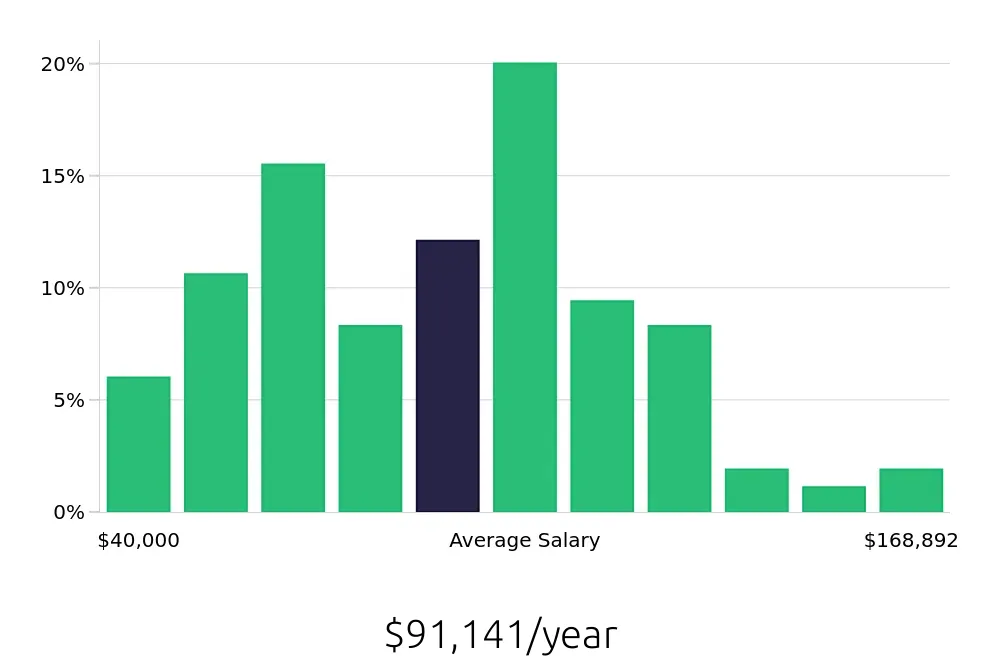
IT Developers enjoy a competitive average annual compensation, with figures from the BLS indicating a national average of $112,430. This high earning potential makes the IT development field an attractive option for those seeking rewarding career options. The hourly rate, at $54.05, also reflects the value placed on IT skills in today's job market. With such attractive compensation packages, IT development positions offer not only job security but also financial stability.
The positive job outlook and strong compensation figures underscore the importance of acquiring relevant skills and certifications in this field. For job seekers, focusing on continuous learning and professional development can enhance career prospects and increase earning potential. The IT development sector promises a promising future with growing opportunities and competitive salaries.
Currently 47 IT Developer job openings, nationwide.
Continue to Salaries for IT Developer