What does a Labor and Delivery Registered Nurse do?
A Labor and Delivery Registered Nurse plays a crucial role in the birthing process. This professional provides care to women before, during, and after childbirth. They monitor the progress of labor, administer medications, and assist with pain management. The nurse ensures the safety of both the mother and the newborn. They also educate new parents about caring for their baby.
In this role, the nurse collaborates with obstetricians and other healthcare providers. They create and update care plans for each patient. They are trained to handle emergencies, such as a difficult delivery. The nurse provides emotional support to families, helping them through the birthing process. This position requires a calm demeanor and strong communication skills. A Labor and Delivery Registered Nurse makes a significant impact on families during one of life's most important moments.
How to become a Labor and Delivery Registered Nurse?
Becoming a Labor and Delivery Registered Nurse involves several important steps. This career path requires dedication and specific skills. It focuses on helping women through childbirth. Employers often look for nurses with a strong background in critical care.
The journey to becoming a Labor and Delivery Registered Nurse includes the following steps:
- Complete high school or earn a GED.
- Get a nursing degree from an accredited program. Options include an Associate Degree in Nursing (ADN) or a Bachelor of Science in Nursing (BSN).
- Pass the NCLEX-RN exam to become a licensed RN.
- Gain experience in a related field, such as labor and delivery, postpartum, or neonatal intensive care.
- Obtain certification in Neonatal Resuscitation Program (NRP) and Advanced Cardiac Life Support (ACLS).
How long does it take to become a Labor and Delivery Registered Nurse?
Pursuing a career as a Labor and Delivery Registered Nurse (RN) offers rewarding opportunities to assist new families. This role requires specific education and training. The journey usually takes around two to four years to complete. First, one needs to finish an accredited nursing program.
These programs often lead to an Associate Degree in Nursing (ADN) or a Bachelor of Science in Nursing (BSN). ADN programs usually take about two years. BSN programs take around four years. After completing the education, the next step is to pass the NCLEX-RN exam. This test certifies new nurses. Passing this exam is essential to practice as a registered nurse. Once licensed, some nurses gain experience in a general nursing role before specializing in Labor and Delivery.
Labor and Delivery Registered Nurse Job Description Sample
Labor and Delivery Registered Nurses provide essential care to mothers and newborns during the childbirth process. They monitor both mother and baby's health, administer medications, and assist with the delivery process. This role requires a high level of skill, compassion, and the ability to remain calm under pressure.
Responsibilities:
- Assist in the delivery of babies and provide immediate postpartum care to both mother and newborn.
- Monitor and assess fetal heart rates and contractions, ensuring the safety and well-being of the mother and baby.
- Administer medications and fluids as prescribed by obstetricians.
- Educate mothers on postpartum care and newborn care, including breastfeeding and umbilical cord care.
- Collaborate with obstetricians, anesthesiologists, and other healthcare professionals to ensure comprehensive care during labor and delivery.
Qualifications
- Registered Nurse (RN) license in the state of employment.
- Certification in Advanced Cardiac Life Support (ACLS) and Neonatal Resuscitation Program (NRP) required.
- Minimum of two years of experience in labor and delivery nursing preferred.
- Demonstrated knowledge and skills in obstetric and neonatal care.
- Strong interpersonal and communication skills.
Is becoming a Labor and Delivery Registered Nurse a good career path?
A Labor and Delivery Registered Nurse (RN) works with expectant mothers during childbirth. This role involves providing care before, during, and after delivery. Nurses in this specialty often assist with natural births, cesarean sections, and other delivery methods. This job can be rewarding for those who enjoy helping new families. They often form close bonds with patients and their loved ones.
Labor and Delivery RNs work in hospitals, birthing centers, and other healthcare facilities. They must handle high-pressure situations calmly and efficiently. This job requires strong critical thinking and quick decision-making skills. The role also involves teamwork with doctors, midwives, and other nurses. It offers many learning opportunities and a chance to specialize further.
Here are some pros and cons to consider:
- Pros:
- Opportunity to assist in life-changing moments
- Variety in daily tasks and experiences
- Potential for professional growth and specialization
- Strong sense of community with colleagues and patients
- Competitive salary and benefits
On the other hand, some cons to consider:
- Cons:
- Exposure to difficult and emotional situations
- Long and irregular working hours, including nights and weekends
- High levels of stress and physical demands
- Requirement to handle emergencies quickly
- Limited time for personal life and family
What is the job outlook for a Labor and Delivery Registered Nurse?
Labor and Delivery Registered Nurses enjoy a positive job outlook as they help new families at a crucial time. On average, there are around 193,100 new job positions available each year. This means many opportunities exist for those in this field. The job outlook is even better with a projected increase of 5.6% from 2022 to 2032, according to the Bureau of Labor Statistics (BLS).
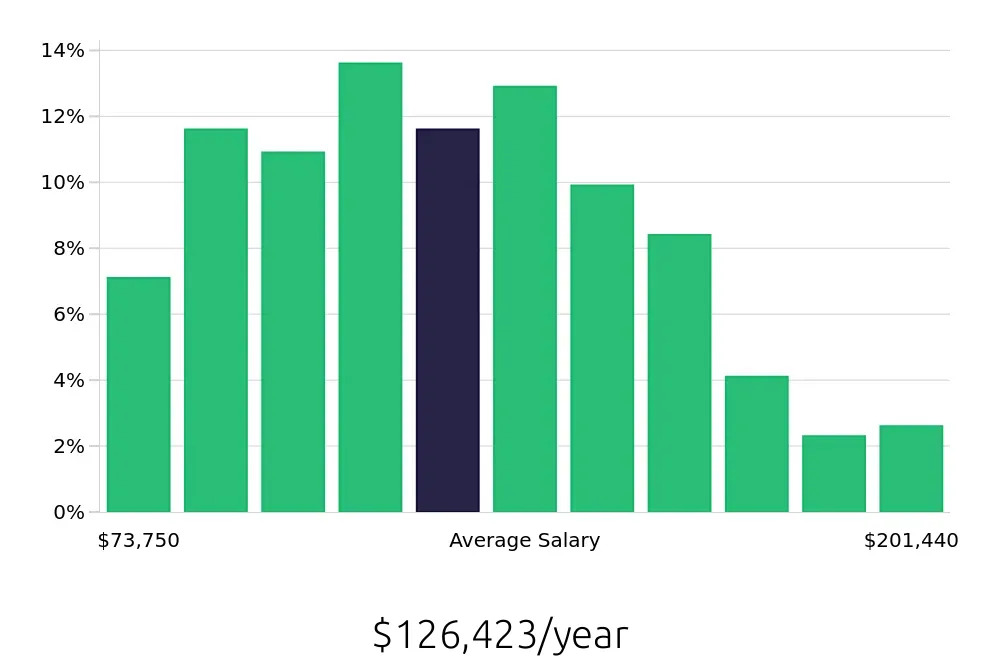
This career offers both personal satisfaction and financial stability. The average annual salary for Labor and Delivery Registered Nurses is $94,480, with hourly wages averaging $45.42. These figures reflect the value placed on their essential work in healthcare. The steady demand for these nurses ensures that job openings remain frequent and competitive benefits are often included.
Those seeking a role in this rewarding field can expect a stable career path with good compensation. Labor and Delivery Registered Nurses play a vital role in supporting new families, making it a fulfilling choice for many healthcare professionals. With a solid job outlook and competitive pay, this career path is worth considering for job seekers.
Currently 389 Labor and Delivery Registered Nurse job openings, nationwide.
Continue to Salaries for Labor and Delivery Registered Nurse