What does a Land Development Manager do?
A Land Development Manager oversees the planning and implementation of land use projects. This role involves coordinating with architects, engineers, and city planners. The manager ensures that projects comply with local regulations and zoning laws.
Responsibilities of the Land Development Manager include managing budgets, timelines, and resources. This professional also coordinates with stakeholders to ensure that projects are completed on time and within budget. They work closely with the sales team to understand market needs. The manager also ensures that all projects meet quality standards.
Key tasks of a Land Development Manager include:
- Developing project plans and timelines
- Managing budgets and financial reporting
- Ensuring compliance with zoning laws and regulations
- Coordinating with contractors and suppliers
- Conducting site inspections to monitor progress
- Maintaining relationships with stakeholders and clients
Success in this role requires strong organizational skills and the ability to handle multiple projects simultaneously. A Land Development Manager must also have excellent communication skills to liaise effectively with all parties involved in a project.
How to become a Land Development Manager?
Becoming a Land Development Manager involves several key steps that require dedication and the right qualifications. This career path is ideal for those interested in overseeing land projects and ensuring they meet all legal and financial standards. With the right education and experience, one can manage land development projects successfully.
To embark on this career, one must follow a structured process that includes education, experience, and professional development. Here are the essential steps:
- Obtain a Degree: Start with a bachelor’s degree in civil engineering, urban planning, or a related field. This foundational knowledge is crucial for understanding land development.
- Gain Experience: Work in a related field to gain practical experience. Positions in construction or project management are valuable. Aim for roles that offer hands-on experience with land projects.
- Network: Connect with professionals in the industry. Attend conferences, join professional organizations, and participate in local community events to build your network.
- Get Certified: Consider earning certifications such as the Land Development Certification from the Land Development Association. This credential can enhance your resume and demonstrate your expertise.
- Seek a Management Position: Apply for managerial roles in land development. Look for companies that value leadership skills and offer opportunities for advancement.
How long does it take to become a Land Development Manager?
Land development managers play a key role in overseeing projects that shape communities. They coordinate with architects, engineers, and contractors to ensure smooth project execution. This role requires a solid understanding of construction, planning, and local regulations. Many people wonder about the time commitment needed to reach this position.
Typically, aspiring land development managers start with a bachelor’s degree in fields like civil engineering, urban planning, or a related area. This education usually takes four years to complete. After earning a degree, gaining hands-on experience through internships or entry-level jobs in the construction or planning sector is vital. Most professionals spend about two to five years in these roles to build their skills and knowledge. Finally, acquiring professional certifications, such as the Project Management Professional (PMP) credential, can enhance job prospects. This process often takes an additional one to two years, depending on individual pace and study commitment.
Land Development Manager Job Description Sample
The Land Development Manager is responsible for overseeing the planning, design, and execution of land development projects. This role requires a strategic approach to managing resources, ensuring compliance with regulations, and achieving project goals within budget and timelines.
Responsibilities:
- Develop and implement land development plans and strategies in alignment with company objectives.
- Coordinate with architects, engineers, and other stakeholders to design and execute development projects.
- Conduct site assessments and feasibility studies to identify potential development opportunities.
- Prepare and manage budgets, ensuring projects are completed within financial constraints.
- Ensure all projects comply with local, state, and federal regulations and obtain necessary permits.
Qualifications
- Bachelor's degree in Urban Planning, Civil Engineering, Real Estate, or a related field.
- Minimum of 5 years of experience in land development or a similar role.
- Proven track record of successfully managing land development projects from conception to completion.
- Strong understanding of land use regulations, zoning laws, and environmental impact assessments.
- Excellent project management and organizational skills.
Is becoming a Land Development Manager a good career path?
A Land Development Manager plays a key role in shaping communities. They oversee the planning and development of land for residential, commercial, or industrial use. This job requires a blend of skills in management, engineering, and urban planning. It offers a mix of challenges and rewards.
Working as a Land Development Manager allows for significant impact on community growth. Managers can see their projects come to life, from initial planning to completed buildings and infrastructure. They often work with a variety of professionals, including architects, engineers, and city officials. This role demands strong leadership and organizational skills. However, it also provides opportunities for creativity and innovation.
Choosing this career path comes with both advantages and challenges. Here are some to consider:
- Pros:
- High earning potential with opportunities for growth
- Variety of projects that can be exciting and stimulating
- Opportunities to work with a diverse group of professionals
- Ability to contribute to community development and growth
- Cons:
- Can be a high-stress job with long hours
- Requires a solid understanding of regulations and zoning laws
- Often involves working in outdoor or sometimes hazardous environments
- Need for constant adaptation to changes in the industry and technology
This career path offers a mix of professional challenges and personal satisfaction. It requires dedication and a willingness to learn. For those interested in making a tangible impact on their community, a role as a Land Development Manager can be very fulfilling.
What is the job outlook for a Land Development Manager?
The career path for a Land Development Manager looks promising for job seekers. This role is vital in the growth and improvement of land, ensuring it meets community needs. According to the Bureau of Labor Statistics (BLS), the average number of job positions available each year is 35,900. This high demand indicates a stable job market.
Job seekers interested in land development will find the outlook positive. The BLS predicts a 5.4% growth in job openings from 2022 to 2032. This growth suggests more opportunities for those entering or advancing in this field. It also shows that companies and governments will need more skilled managers to handle land development projects.
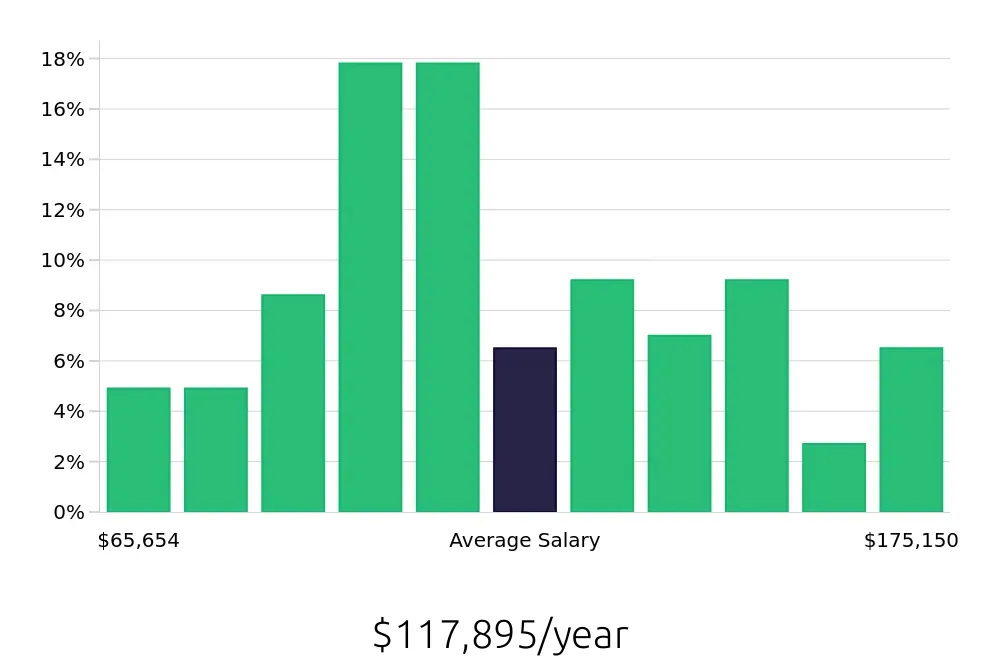
Land Development Managers earn a competitive salary as well. The BLS reports an average annual compensation of $78,400. The average hourly rate is $37.69. This compensation reflects the responsibility and expertise required for the job. Job seekers can expect a rewarding career both in terms of job security and financial compensation.
Currently 30 Land Development Manager job openings, nationwide.
Continue to Salaries for Land Development Manager