What does a Life Coach do?
A Life Coach helps individuals reach their personal and professional goals. This role involves guiding clients through self-discovery, motivation, and action. Life Coaches work with people to set clear objectives and develop a plan to achieve them.
Life Coaches use different methods to assist their clients. They might help with time management, stress reduction, or improving relationships. Coaches ask important questions that help clients find their own answers. They also provide support and accountability to keep clients on track. Life Coaches celebrate successes and help clients learn from challenges. This role is about empowering others to lead fulfilling lives.
How to become a Life Coach?
Becoming a life coach involves a series of steps that blend education, experience, and personal growth. This career path offers the chance to help others reach their goals. It is rewarding for those who want to make a difference in people’s lives. Here is a clear outline to guide someone through the process.
First, gaining a solid understanding of what a life coach does is key. This means learning about the skills and qualities needed for the job. These include strong communication, empathy, and the ability to motivate others. One must also study the principles of coaching and personal development. This foundation sets the stage for further steps.
- Get Certified: Find a reputable life coaching program. Choose one that offers a comprehensive curriculum and hands-on experience.
- Build Experience: Look for opportunities to practice coaching. Volunteer to coach friends or family. Consider internships to gain practical experience.
- Develop a Niche: Identify the areas you want to focus on. This could be career coaching, wellness, or relationships. Specializing can help attract clients.
- Create a Professional Presence: Build a website and set up profiles on social media. Share your coaching philosophy and services. Use these platforms to reach potential clients.
- Network and Grow: Join coaching associations and attend workshops. Build connections with other professionals. Networking can lead to new opportunities and collaborations.
How long does it take to become a Life Coach?
Choosing a career in life coaching can be both fulfilling and impactful. Life coaches help individuals discover their potential and achieve personal goals. The time it takes to become a life coach can vary. It often depends on several factors. These include the type of certification, level of education, and prior experience. Typically, the journey ranges from a few months to a couple of years.
Individuals with a strong interest in coaching often complete training programs within 6 to 18 months. These programs can include online courses, workshops, and in-person seminars. Certification usually requires some form of training and passing an exam. Some programs offer intensive tracks that can finish in as little as six months. Others may take up to two years for more comprehensive learning. Prior experience in related fields, such as counseling or psychology, can shorten the time required. Aspiring coaches may also choose to pursue higher education, such as a bachelor's or master's degree, which can add additional time to their training.
Life Coach Job Description Sample
We are seeking a dedicated and motivational Life Coach to inspire and guide individuals in achieving their personal and professional goals. The ideal candidate will have a strong background in coaching, excellent communication skills, and a passion for helping others reach their full potential.
Responsibilities:
- Conduct one-on-one coaching sessions to help clients set and achieve personal and professional goals.
- Develop and implement personalized coaching plans based on individual needs and aspirations.
- Provide guidance and support to clients in overcoming obstacles and achieving success.
- Utilize various coaching techniques and tools to facilitate personal growth and development.
- Monitor and evaluate client progress, making adjustments to coaching plans as necessary.
Qualifications
- Bachelor's degree in psychology, counseling, human development, or a related field.
- Certification from an accredited coaching program (e.g., ICF, PCC).
- Minimum of 2 years of experience in life coaching or a related field.
- Excellent communication and interpersonal skills.
- Strong problem-solving and critical-thinking abilities.
Is becoming a Life Coach a good career path?
A life coach helps people find direction in their lives. This career often involves guiding individuals toward better health and improved relationships. Coaches work with clients to set goals and create plans to reach them. They provide support and motivation.
Becoming a life coach offers many opportunities. Coaches can work in many different settings. Some work in private practice, while others join coaching firms. Coaches can also teach workshops and write books. The flexibility of this career appeals to many people. However, it also comes with challenges. Consider these pros and cons before starting a career as a life coach.
- Pros:
- Help others: Make a difference in people's lives.
- Flexibility: Set your own hours and work from home.
- Variety: Work with many different clients and topics.
- Independence: Choose your own path and set your own goals.
- Cons:
- Income can be unstable: Earnings depend on the number of clients.
- Emotional challenges: Helping others can be draining.
- Self-discipline required: Coaches must stay motivated and organized.
- Certification needed: Most employers want a recognized certification.
What is the job outlook for a Life Coach?
The job outlook for life coaches is positive, with a significant demand for this profession. The Bureau of Labor Statistics (BLS) reports an average of 89,200 job positions per year for life coaches. This shows a consistent need for professionals who help others improve their lives. With an expected job openings percent change of 11.9% from 2022 to 2032, job seekers can look forward to many opportunities in this field.
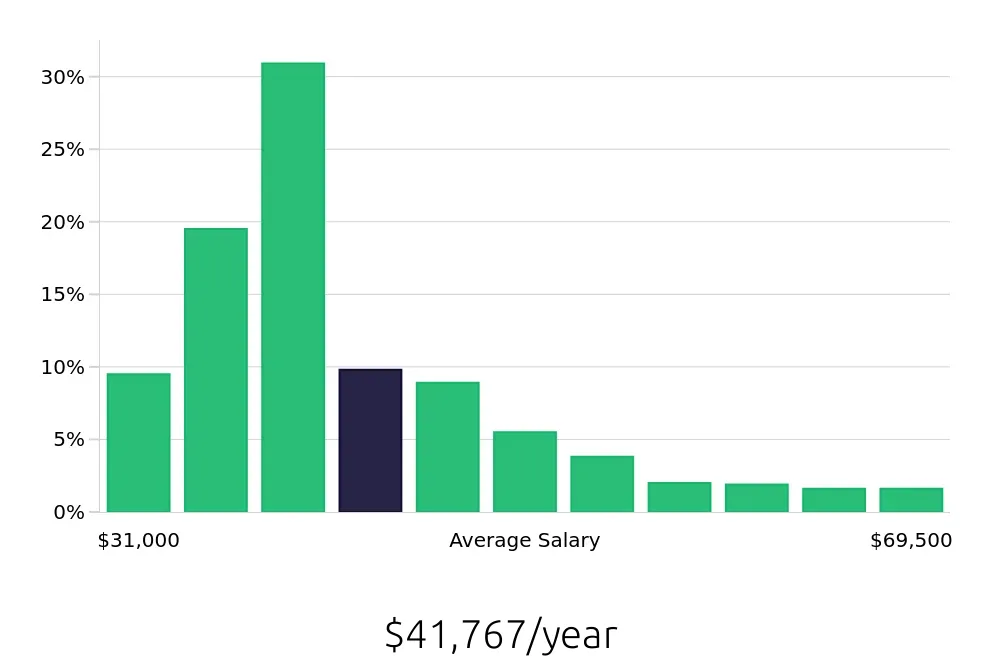
Life coaches have a rewarding career with a strong financial outlook. The average national annual compensation for life coaches is $61,790, according to the BLS. This average annual wage highlights the earning potential for those in this role. Additionally, the average national hourly compensation is $29.71, providing insight into the hourly earnings of life coaches. For job seekers, these figures demonstrate the financial stability and growth potential in this profession.
With the growing emphasis on personal development and wellness, life coaches play a crucial role in helping individuals achieve their goals. As society continues to value mental health and personal growth, the demand for life coaches is likely to increase. This trend provides a promising job outlook for those considering a career in this field. The combination of a positive job outlook, competitive compensation, and fulfilling work makes life coaching an attractive career choice for job seekers.
Currently 49 Life Coach job openings, nationwide.
Continue to Salaries for Life Coach