What does a Loan Processor do?
A Loan Processor handles the documentation and paperwork for loans. They work closely with borrowers to ensure all necessary documents are complete and accurate. This includes verifying income, reviewing credit reports, and confirming assets. Loan Processors coordinate with underwriters and other departments to move applications through the approval process efficiently.
They communicate with borrowers throughout the process, explaining requirements and timelines. Loan Processors must be detail-oriented and organized, with strong attention to deadlines. Attention to detail and accuracy is crucial to prevent delays in loan approval. They often use software to track applications and manage data. This role requires strong communication skills and the ability to work well with a team.
How to become a Loan Processor?
A Loan Processor plays a crucial role in the financial industry by managing and processing loan applications. This position requires attention to detail and a good understanding of lending processes. If this career interests you, here is a guide to help you get started.
Following these steps can lead to a successful career as a Loan Processor. This role involves managing the documentation and details of loan applications. Companies value these professionals for their accuracy and efficiency. Below are the essential steps to become a Loan Processor.
- Get a high school diploma or GED. This is the first step. It provides the basic knowledge needed for any job.
- Gain relevant experience. Many employers prefer candidates with experience in customer service, administration, or finance. Volunteering or internships can also help.
- Consider additional education. While not always necessary, some employers prefer or require a college degree. Courses in business, finance, or administration can be beneficial.
- Develop key skills. Attention to detail, strong communication skills, and computer proficiency are essential. Familiarity with loan processing software is also helpful.
- Search for job openings. Use job boards, company websites, and networking to find positions. Tailor your resume and cover letter to highlight your relevant experience and skills.
How long does it take to become a Loan Processor?
Pursuing a career as a Loan Processor can offer a rewarding path in the finance sector. The time it takes to begin this career depends on various factors, including educational requirements and experience. Most entry-level positions require at least a high school diploma or GED. With this basic credential, individuals can find roles that involve on-the-job training.
Many employers prefer candidates who have completed some form of postsecondary education. This can range from a certificate program to an associate's degree in finance, business, or a related field. These programs typically take one to two years to complete. During this period, students gain knowledge in areas such as financial analysis, credit reporting, and loan documentation. This education not only enhances job prospects but also prepares candidates for the responsibilities they will face.
Loan Processor Job Description Sample
The Loan Processor is responsible for managing the end-to-end loan processing workflow, ensuring accurate and timely processing of loan applications. This role involves coordinating with various departments, maintaining records, and ensuring compliance with all regulatory requirements.
Responsibilities:
- Review and verify loan applications and supporting documents for accuracy and completeness.
- Calculate loan amounts, interest rates, and payment schedules.
- Communicate with borrowers to clarify any application discrepancies and provide necessary documentation.
- Prepare loan packages for underwriting, ensuring all required documents are included.
- Maintain up-to-date records of all loan applications and transactions.
Qualifications
- Bachelor’s degree in Finance, Business Administration, or a related field.
- 2-4 years of experience in loan processing or a related field.
- Strong understanding of loan products and lending regulations.
- Proficient in Microsoft Office Suite, particularly Excel.
- Excellent communication and interpersonal skills.
Is becoming a Loan Processor a good career path?
Loan processors play a vital role in the financial industry. They handle the documentation and processing of loans for individuals and businesses. This job requires attention to detail and strong organizational skills. Loan processors ensure that all paperwork is accurate and complete before sending it to the next department for approval.
Working as a loan processor has its benefits. People in this role often enjoy a steady work schedule with predictable hours. The job provides opportunities to help others by facilitating their access to financial resources. Many loan processors can advance to higher positions within the company. However, the job can be repetitive and requires careful attention to detail. Loan processors must work well under pressure, especially during peak loan seasons.
Consider these pros and cons before pursuing a career as a loan processor:
- Pros:
- Steady work hours
- Help others access loans
- Opportunities for advancement
- Skills in organization and attention to detail
- Cons:
- Repetitive tasks
- Need for high accuracy
- Pressure during busy seasons
What is the job outlook for a Loan Processor?
The job outlook for Loan Processors remains stable, with an average of 20,000 positions available each year according to the Bureau of Labor Statistics (BLS). Despite a forecasted -1% decrease in job openings from 2022 to 2032, this role continues to be integral within the financial sector. This stability indicates a consistent demand for professionals adept at handling loan applications and processing paperwork.
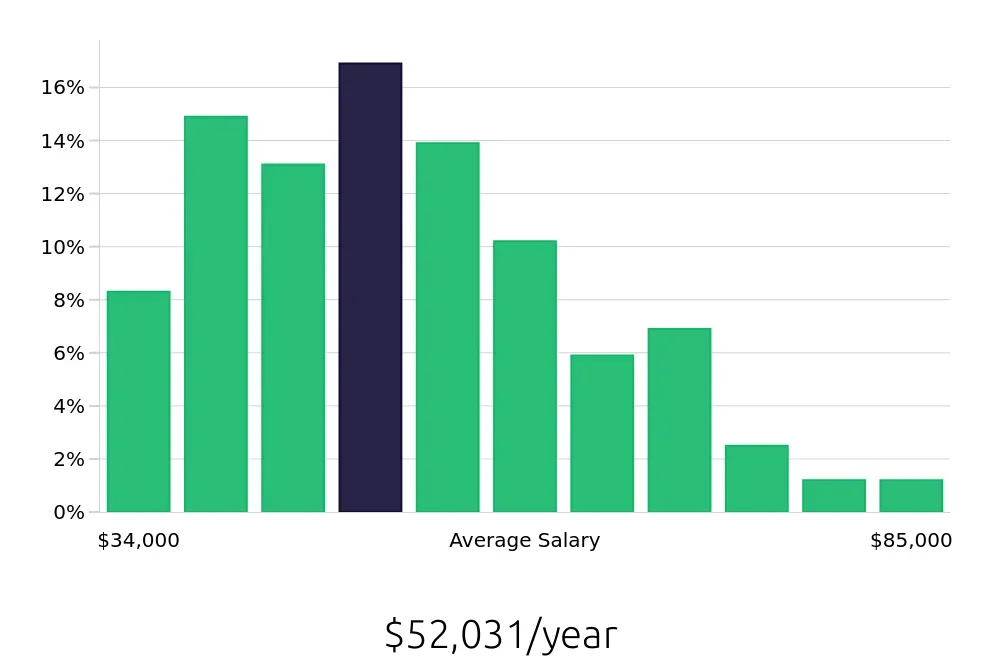
Aspiring Loan Processors can expect an average national annual compensation of $48,660, making it a lucrative field. The hourly compensation stands at $23.4, offering competitive pay for the responsibilities handled. This financial reward, combined with job stability, makes it an appealing career choice for those in the financial industry.
To excel in this role, a solid understanding of the mortgage and lending processes is essential. Loan Processors need to be detail-oriented, efficient, and knowledgeable about financial regulations. With the right skill set, job seekers can find rewarding opportunities in this field, contributing to the backbone of the financial services industry.
Currently 366 Loan Processor job openings, nationwide.
Continue to Salaries for Loan Processor