What does a Maintenance Planner do?
A Maintenance Planner plays a vital role in ensuring that equipment and machinery run smoothly and efficiently. This professional develops detailed maintenance plans to prevent unexpected breakdowns and reduce downtime. They work closely with maintenance staff, engineers, and management to schedule maintenance activities and ensure they align with operational needs.
Responsibilities often include analyzing equipment usage data, identifying trends, and suggesting improvements. The Maintenance Planner ensures that all maintenance activities comply with safety regulations and company policies. They coordinate with suppliers for parts and services and keep accurate records of maintenance activities. This role is key to maintaining smooth operations and extending the lifespan of equipment.
How to become a Maintenance Planner?
Becoming a Maintenance Planner can lead to a rewarding career in ensuring the smooth operation of equipment and facilities. This role involves planning and scheduling maintenance tasks to minimize downtime and extend the life of machinery. Below are five key steps to start this career.
First, gaining relevant education is essential. Most employers prefer candidates with at least a high school diploma. Some may require an associate's or bachelor's degree in fields like industrial maintenance, engineering, or business administration. This education provides a solid foundation in the necessary skills and knowledge.
- Obtain Education: Complete a high school diploma. Consider further education in related fields.
- Gain Experience: Look for entry-level positions in maintenance or related areas. Experience can provide practical skills and industry insights.
- Learn Technical Skills: Familiarize yourself with maintenance software, tools, and equipment. Understanding these can improve efficiency and effectiveness.
- Develop Planning Skills: Practice creating maintenance schedules and managing resources. Good planning can reduce downtime and improve productivity.
- Seek Certification: Consider getting certified in areas like maintenance management or planning. Certification can boost your resume and job prospects.
Second, gaining practical experience is crucial. Look for entry-level positions in maintenance or related fields. This hands-on experience can help build skills and make your resume stand out. Third, learning technical skills will give you an edge. Familiarize yourself with maintenance software, tools, and equipment used in the industry. This knowledge can improve efficiency and effectiveness in your role.
Fourth, developing strong planning skills is vital. Practice creating maintenance schedules and managing resources. Effective planning can reduce downtime and improve productivity. Finally, seeking certification can further boost your career prospects. Certification in areas like maintenance management or planning can demonstrate your expertise and commitment to the field.
How long does it take to become a Maintenance Planner?
The journey to becoming a Maintenance Planner varies. Many people start with an associate’s degree in a related field. This takes about two years. Some choose a technical school or vocational program. These often last one to two years as well. If someone has relevant experience, they might enter the field through on-the-job training. This can take a few months to a year.
The path also depends on the industry. Some industries require more training. Others may have less formal education needs. Companies often provide training. They may require further education or certification. This can extend the timeline. A solid grasp of scheduling, logistics, and maintenance practices helps. Experience in maintenance or related fields can speed up the process. Proper training and experience make someone a valuable Maintenance Planner.
Maintenance Planner Job Description Sample
The Maintenance Planner is responsible for planning, scheduling, and coordinating maintenance activities to ensure minimal disruption to production processes. This role requires a strong understanding of maintenance procedures, equipment, and schedules.
Responsibilities:
- Develop and implement maintenance schedules for equipment and facilities.
- Coordinate maintenance activities to minimize downtime and production interruptions.
- Collaborate with production, engineering, and other departments to prioritize maintenance tasks.
- Ensure all maintenance activities comply with safety regulations and company policies.
- Maintain accurate records of maintenance activities, equipment status, and spare parts inventory.
Qualifications
- Bachelor’s degree in Engineering, Mechanical Engineering, or a related field.
- Minimum of 3-5 years of experience in maintenance planning or a similar role.
- Strong knowledge of maintenance planning software and tools.
- Excellent organizational and project management skills.
- Ability to work in a fast-paced, high-pressure environment.
Is becoming a Maintenance Planner a good career path?
A Maintenance Planner plays a key role in ensuring that machinery and equipment run smoothly. This role involves scheduling maintenance activities, coordinating with different teams, and managing resources efficiently. The job often takes place in manufacturing, logistics, or utilities sectors. Companies rely on Maintenance Planners to reduce downtime and keep operations running seamlessly.
For those considering this career, there are several factors to keep in mind. Like any role, it comes with its own set of advantages and challenges. Understanding these can help you decide if it’s the right fit for you.
- Pros
- Opportunity to work with advanced technology.
- Essential role in keeping businesses operational.
- Potential for career advancement into management.
- Collaboration with various departments improves teamwork skills.
- Stability and demand for skilled planners in many industries.
- Cons
- Requires attention to detail and strong organizational skills.
- Can involve irregular hours, including weekends and holidays.
- High pressure to minimize downtime can be stressful.
- Limited opportunities for travel compared to some other roles.
- May need to handle emergency situations outside of regular schedules.
What is the job outlook for a Maintenance Planner?
Becoming a Maintenance Planner offers a promising job outlook for the coming decade. According to the Bureau of Labor Statistics (BLS), there are about 15,300 job positions available each year. This consistency ensures a steady flow of opportunities for job seekers. The BLS also projects a 1.6% growth in job openings from 2022 to 2032, highlighting a stable demand for skilled professionals in this field.
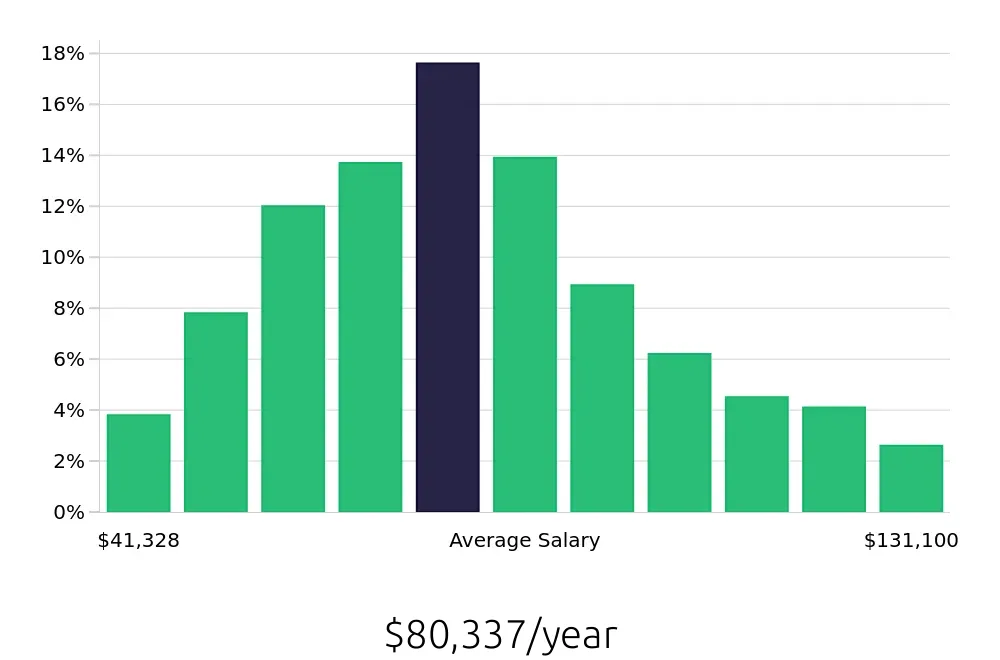
Job seekers will find attractive compensation in this role. The average annual salary for Maintenance Planners stands at $125,900, as reported by the BLS. This figure reflects the value placed on their expertise and responsibilities. Additionally, the average hourly wage is $60.53, offering a competitive rate for those entering this profession. These figures make Maintenance Planning an appealing career choice for those seeking financial stability and growth.
For those looking to advance their careers, Maintenance Planning offers clear pathways. The combination of steady job openings, modest growth projections, and attractive compensation makes this a viable option. Aspiring Maintenance Planners should leverage these factors as they seek to build a successful and rewarding career in this field.
Currently 369 Maintenance Planner job openings, nationwide.
Continue to Salaries for Maintenance Planner