What does a Membership Director do?
The Membership Director plays a crucial role in growing and maintaining an organization's membership. This position focuses on attracting new members and ensuring current members stay engaged. The Membership Director plans and executes membership drives, creating campaigns that highlight the benefits of joining. They also develop strategies to retain existing members by providing excellent customer service and organizing events that keep the community active and involved.
In this role, the Membership Director collaborates with other departments to integrate membership goals with the organization's overall strategy. They analyze membership data to identify trends and opportunities for growth. Additionally, they work to create a welcoming environment for new members through onboarding programs and ongoing support. The Membership Director’s work directly impacts the organization’s success and sustainability by fostering a strong, active membership base.
How to become a Membership Director?
Becoming a Membership Director involves a mix of leadership skills, industry knowledge, and dedication to member engagement. The path to this role often requires careful planning and execution. Professionals seeking to enter this field can take several strategic steps to enhance their qualifications and marketability.
First, gain relevant experience in a related field such as community engagement, non-profit management, or customer service. Experience helps build a solid foundation for understanding member needs and developing effective strategies. Next, pursue education or certifications that focus on nonprofit management or membership management. This adds value to a candidate’s profile and shows commitment to the field. Seeking out internships or volunteer opportunities within organizations can provide hands-on experience and networking opportunities. Developing a strong professional network also plays a key role. Connecting with current membership directors or joining professional associations can provide insights and potential job leads. Finally, focus on building key skills such as communication, strategic planning, and project management. These skills are essential for success in a membership director role.
The journey to becoming a Membership Director is clear and attainable. Following these steps will help professionals position themselves as strong candidates for this vital role.
- Gain relevant experience in community engagement or non-profit management.
- Pursue education or certifications in nonprofit or membership management.
- Seek internships or volunteer opportunities for hands-on experience.
- Build a professional network by connecting with current directors and joining associations.
- Develop key skills such as communication, strategic planning, and project management.
How long does it take to become a Membership Director?
To step into the role of a Membership Director, experience and education often combine. Many professionals hold a bachelor's degree in business, marketing, or a related field. A degree provides the foundational knowledge crucial for the job. With a degree, the journey continues with hands-on experience. People often work in marketing, sales, or customer relations. This experience helps to understand member needs and how to grow membership.
The exact time to become a Membership Director can vary. Some professionals reach this role in three to five years. They gain a mix of education and experience. Others may take longer, perhaps seven to ten years. This path involves gaining more specialized skills and climbing the corporate ladder. Each step builds the skills needed to lead and grow membership programs effectively. The goal remains clear: to lead teams and strategies that attract and retain members.
Membership Director Job Description Sample
The Membership Director plays a pivotal role in driving the growth and engagement of our membership base. This position involves developing and executing strategies to attract, retain, and engage members, ensuring the organization meets its membership goals and enhances member satisfaction.
Responsibilities:
- Develop and implement membership strategies to achieve and exceed membership targets.
- Design and oversee membership programs, events, and initiatives to enhance member engagement and satisfaction.
- Analyze membership data to identify trends and insights, and use these insights to inform strategy and decision-making.
- Collaborate with marketing, communications, and other departments to create and execute integrated marketing campaigns.
- Manage the membership database and ensure accurate and up-to-date member records.
Qualifications
- Bachelor’s degree in Business, Marketing, Communications, or a related field; advanced degree preferred.
- Proven experience (5+ years) in a membership or similar role, preferably within a non-profit or membership-based organization.
- Strong strategic planning and analytical skills with the ability to use data to drive decisions.
- Excellent communication and interpersonal skills, with the ability to build and maintain relationships.
- Experience with membership management software and CRM systems.
Is becoming a Membership Director a good career path?
Working as a Membership Director means handling the growth and management of memberships in an organization. This role involves tasks such as marketing strategies, outreach, and member engagement. This career can offer a mix of challenges and rewards, making it a strong option for those interested in community service and business growth.
A Membership Director often enjoys a dynamic work environment. They engage with diverse groups, develop programs to attract new members, and ensure member satisfaction. The job can be rewarding, seeing a membership base grow and thrive. This position often allows for creativity in campaign development and personal interaction with members. However, it comes with its set of challenges, such as managing fluctuating membership numbers and handling budget constraints. Balancing these aspects requires strong organizational skills and the ability to adapt to changing circumstances.
Below is a list of pros and cons to consider when exploring a career as a Membership Director:
- Pros:
- Opportunity to lead and grow a community
- Creative freedom in program development
- Variety in daily tasks and interactions
- Cons:
- Pressure to maintain and grow membership numbers
- Budget management can be challenging
- Requires strong communication and leadership skills
What is the job outlook for a Membership Director?
The role of a Membership Director is a valuable position in many industries, offering a stable career outlook for job seekers. According to the Bureau of Labor Statistics (BLS), there are on average 74,400 job positions available each year. This suggests a consistent demand for professionals in this role. The BLS also projects a 5.1% increase in job openings from 2022 to 2032, indicating a positive trend for those entering this field. With such promising figures, the Membership Director role is a solid choice for those looking to advance their careers.
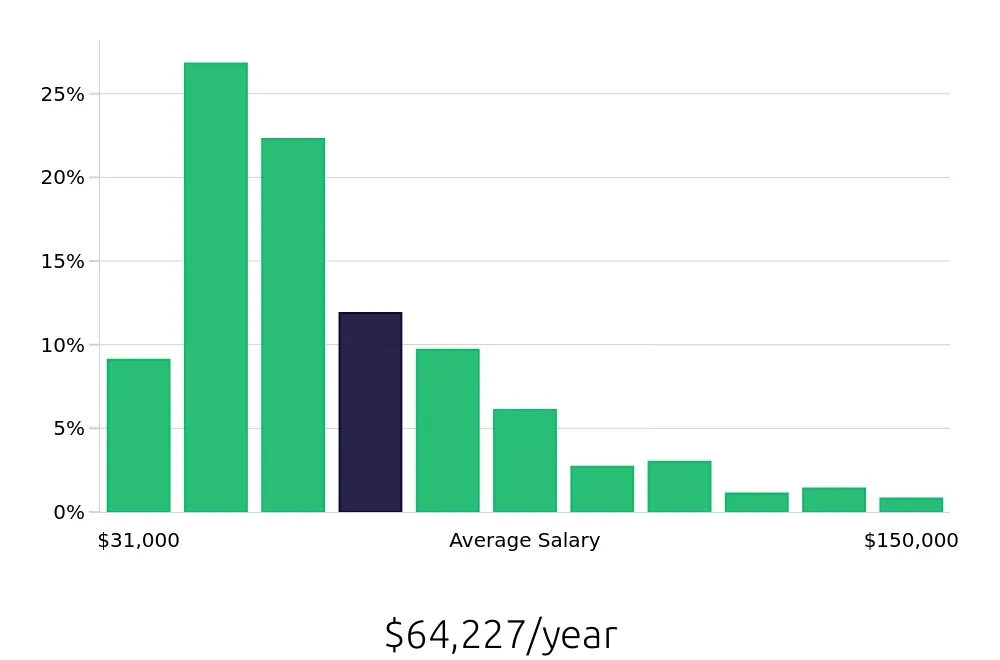
Membership Directors can expect a competitive salary that reflects the significance of their role. The average national annual compensation stands at $161,040, according to the BLS. This substantial income provides a comfortable living for professionals and their families. Additionally, the average national hourly compensation is $77.43, highlighting the value of their expertise in the job market. These figures make the Membership Director role an attractive option for job seekers aiming for financial stability and career growth.
For those with a knack for organization, communication, and leadership, the Membership Director role offers a rewarding career path. The growing demand for this position and the attractive compensation package make it an ideal choice for skilled professionals. Job seekers in this field can look forward to a stable and lucrative career with plenty of opportunities for advancement.
Currently 66 Membership Director job openings, nationwide.
Continue to Salaries for Membership Director