What does a Nurse Consultant do?
A Nurse Consultant focuses on improving patient care and hospital operations. They work with healthcare teams to identify areas for improvement. This role involves analyzing patient data and medical procedures. They also develop plans to enhance care quality. Nurse Consultants collaborate with doctors, nurses, and administrators to implement new strategies. Their goal is to ensure patients receive the best care possible.
Responsibilities of a Nurse Consultant include conducting training sessions for medical staff. They teach new techniques and best practices. Nurse Consultants also review patient outcomes and suggest changes. They use data to make informed decisions. They help create policies that improve patient safety and satisfaction. This role requires strong problem-solving skills and a deep understanding of healthcare systems.
How to become a Nurse Consultant?
Becoming a Nurse Consultant offers an exciting career path for those with a passion for nursing and a desire to share their expertise. Nurse Consultants play a crucial role in healthcare, providing valuable insights and advice to improve patient care and operational efficiency. Here is a step-by-step guide to help anyone interested in this profession achieve their goal.
First, obtain a nursing degree. This requires completing an accredited nursing program, which can be an Associate Degree in Nursing (ADN) or a Bachelor of Science in Nursing (BSN). The BSN is often preferred by employers and required for advanced roles. The next step is gaining experience. Working as a registered nurse (RN) in various healthcare settings helps build a solid foundation of clinical skills and knowledge. Typically, a few years of experience are necessary to gain a comprehensive understanding of the field.
- Earn a Nursing Degree: Complete an ADN or BSN from an accredited program.
- Gain Experience: Work as an RN to build clinical skills and knowledge.
- Specialize: Consider specialization in areas like informatics, education, or administration.
- Pursue Advanced Education: Obtain a Master’s Degree in Nursing (MSN) or Doctor of Nursing Practice (DNP).
- Get Certified: Earn certification in a specialty area to enhance credibility.
Specialization in a specific area of nursing can make a candidate more competitive. This can involve taking additional courses or certifications in fields such as informatics, education, or administration. Pursuing advanced education, such as a Master’s Degree in Nursing (MSN) or a Doctor of Nursing Practice (DNP), further prepares one for a Nurse Consultant role. These advanced degrees provide deeper knowledge and skills needed to advise and lead in the healthcare industry. Lastly, obtaining certification in a specialty area adds to a consultant’s credibility and expertise, making them more attractive to potential employers.
How long does it take to become a Nurse Consultant?
Many find nursing a rewarding career path. For those interested in moving into a consultative role, the journey starts with foundational nursing education. This path involves completing an accredited nursing program, which typically takes about two to four years. Most aspiring nurse consultants pursue an Associate Degree in Nursing (ADN) or a Bachelor of Science in Nursing (BSN). An ADN often takes two years, while a BSN generally requires four years.
After earning a nursing degree, new nurses must pass the NCLEX-RN exam to become licensed. Passing this exam is essential to practice as a registered nurse (RN). Following licensure, gaining clinical experience is vital. Nurses usually work in healthcare settings for about two to three years. This experience builds the skills and knowledge needed for a consulting role. Some nurses may choose to specialize further by obtaining certifications in areas such as gerontology, pediatrics, or critical care. This specialization enhances expertise and marketability in the consulting field. Gaining experience and perhaps a specialization lays a strong foundation for transitioning into a nurse consultant role.
Nurse Consultant Job Description Sample
The Nurse Consultant plays a crucial role in providing expert nursing advice and guidance to healthcare teams, enhancing patient care, and implementing best practices. This role requires a deep understanding of clinical nursing practices, along with excellent communication and leadership skills.
Responsibilities:
- Provide expert nursing advice and consultation to healthcare teams.
- Develop and implement nursing care plans and clinical guidelines.
- Conduct clinical evaluations and assessments to ensure best practices.
- Collaborate with multidisciplinary teams to improve patient outcomes.
- Mentor and train nursing staff on clinical best practices and protocols.
Qualifications
- Registered Nurse (RN) with a valid license.
- Master’s degree in Nursing or related field preferred.
- Several years of clinical nursing experience, preferably in a leadership or consultancy role.
- Certification in a specialized nursing area (e.g., clinical nurse specialist, nurse practitioner) is highly desirable.
- Strong knowledge of evidence-based practice and clinical guidelines.
Is becoming a Nurse Consultant a good career path?
A career as a Nurse Consultant offers an opportunity to blend clinical experience with leadership skills. Nurse Consultants provide expert advice in healthcare settings, focusing on improving patient care and operational efficiency. They work with hospitals, clinics, and healthcare organizations to evaluate and enhance nursing practices. This role demands strong problem-solving skills, excellent communication, and the ability to implement changes effectively.
Choosing this path brings several benefits. Nurse Consultants enjoy flexible working hours and the chance to impact patient outcomes significantly. They often have the freedom to work independently or as part of a team. This role provides the opportunity to travel for work and collaborate with different healthcare professionals. However, it also comes with challenges. Nurse Consultants may face high stress levels due to the critical nature of their work. The role can be demanding, requiring long hours and the ability to handle emergencies. Adapting to new environments and maintaining up-to-date knowledge about healthcare practices are also important considerations.
Below are some pros and cons to consider:
- Pros:
- Flexible working hours
- Opportunity to impact patient care
- Chance to travel for work
- Collaboration with various healthcare professionals
- Cons:
- High stress levels
- Long working hours
- Need to handle emergencies
- Constant need to update knowledge
What is the job outlook for a Nurse Consultant?
The demand for Nurse Consultants is on the rise, offering a promising career path for job seekers. The Bureau of Labor Statistics (BLS) reports that there are around 193,100 job positions available each year. This trend shows positive growth, with a projected increase of 5.6% from 2022 to 2032. Such growth opens many opportunities for qualified professionals.
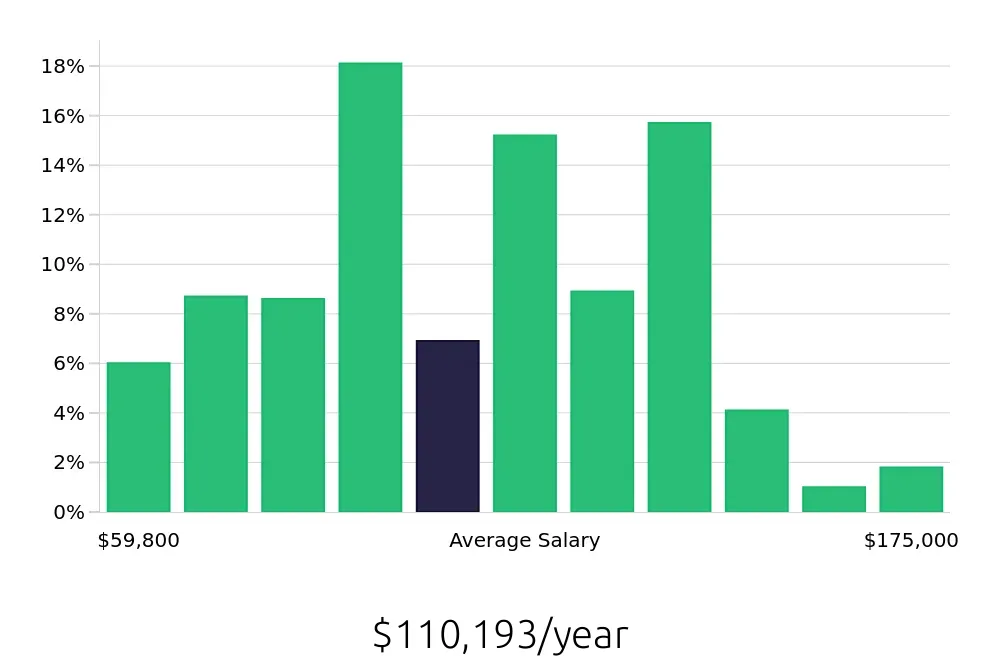
Nurse Consultants play a vital role in the healthcare industry. They provide expert advice and support to healthcare organizations, ensuring better patient care and operational efficiency. This position combines clinical skills and management expertise, making it highly valuable. The average annual salary for Nurse Consultants stands at $94,480, offering a rewarding financial package. Additionally, the hourly rate averages $45.42, reflecting the value of their specialized knowledge and experience.
For job seekers, the outlook for Nurse Consultants looks bright. The combination of steady job growth and competitive compensation makes this career path appealing. With the right qualifications and dedication, professionals can find fulfilling roles in various healthcare settings. Interested candidates should consider furthering their education and gaining relevant experience to meet the rising demand for this essential role.
Currently 89 Nurse Consultant job openings, nationwide.
Continue to Salaries for Nurse Consultant