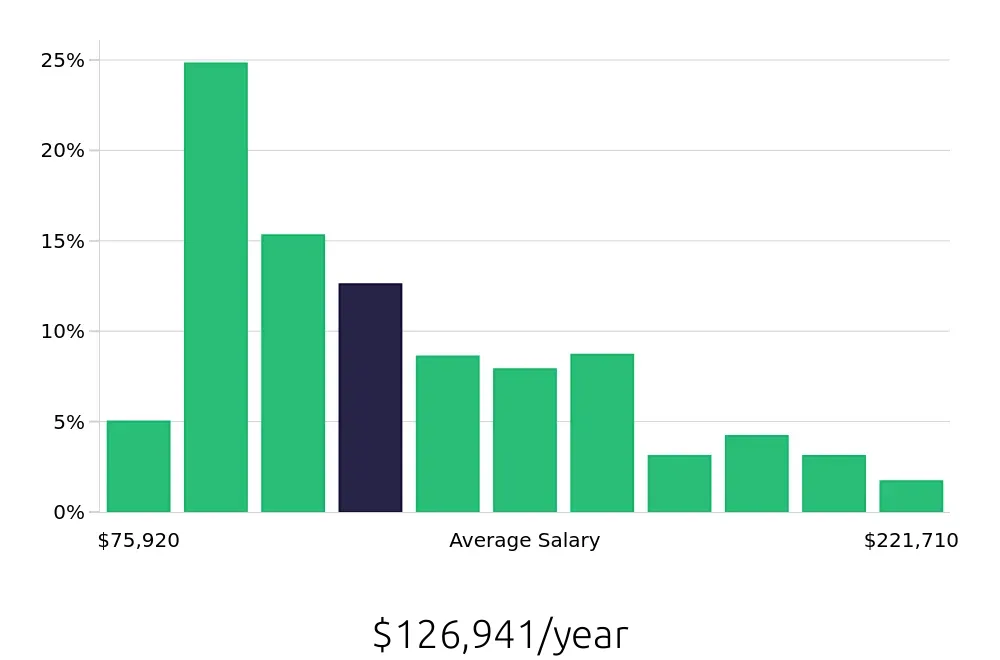
What does a Nurse Manager do?
A Nurse Manager oversees nursing staff and operations in a healthcare setting. They ensure high standards of patient care and manage daily activities. The Nurse Manager coordinates between doctors, nurses, and other healthcare workers. They also handle scheduling, patient records, and budget management.
Responsibilities of a Nurse Manager include developing and implementing policies, training and mentoring staff, and ensuring compliance with healthcare regulations. They work to improve patient care and staff efficiency. Nurse Managers often attend meetings with other healthcare professionals to discuss patient care and operational improvements. They focus on maintaining a safe and supportive work environment for the nursing team. This role demands strong leadership, communication, and problem-solving skills.
How to become a Nurse Manager?
A career as a Nurse Manager is rewarding and impactful. This role combines clinical expertise with leadership skills. Nurse Managers oversee patient care and manage nursing staff. Here is a clear path to become a Nurse Manager.
Understanding the steps to become a Nurse Manager helps in planning the career journey. The process involves education, experience, and specific skills. Below are five key steps to guide someone through this path.
- Earn a Nursing Degree: Start with a Bachelor of Science in Nursing (BSN). This four-year degree is a strong foundation.
- Gain Nursing Experience: Work as a Registered Nurse (RN) for several years. Experience in different areas of nursing builds valuable skills.
- Obtain Advanced Certification: Consider getting a Master’s degree in Nursing (MSN) or a Master of Health Administration (MHA). Certification in nursing management is also helpful.
- Develop Leadership Skills: Take on roles that involve leading or managing others. This could include charge nurse positions or leading projects.
- Apply for Nurse Manager Positions: Use job boards and healthcare company websites to find openings. Tailor resumes and cover letters to highlight relevant experience and skills.
How long does it take to become a Nurse Manager?
The path to becoming a Nurse Manager involves several key steps. First, an individual needs a Registered Nurse (RN) license. This requires earning a degree from an accredited nursing program. Most programs take about four years. After graduating, one must pass the NCLEX-RN exam.
Following licensure, gaining experience in nursing is essential. Many Nurse Managers have several years of clinical experience. This could be in areas like medical-surgical, pediatrics, or emergency care. Experience helps in understanding patient care and hospital operations. Some employers prefer candidates with management experience, such as supervisory roles. This experience provides the skills needed for managing staff and coordinating care.
Next, obtaining a Master’s degree in Nursing (MSN) can take two to three years. This degree often includes courses in healthcare management and leadership. Some programs offer specific tracks for nurse management. Completing an MSN is often required for management positions in larger healthcare facilities.
Finally, aspiring Nurse Managers should seek positions that offer leadership training. Many healthcare organizations provide internal training programs. These programs teach skills like budgeting, policy development, and team management.
Nurse Manager Job Description Sample
The Nurse Manager is responsible for overseeing the nursing staff in a healthcare facility, ensuring the delivery of high-quality patient care, and managing the nursing department efficiently. This role requires leadership skills, clinical expertise, and the ability to work collaboratively with other healthcare professionals.
Responsibilities:
- Develop and implement nursing policies and procedures to ensure compliance with regulatory standards.
- Supervise and evaluate the performance of nursing staff, providing guidance, training, and support as needed.
- Collaborate with other healthcare professionals to develop and implement patient care plans.
- Monitor patient care quality and outcomes, and make necessary adjustments to improve care delivery.
- Manage the nursing department budget, including staffing, supplies, and equipment.
Qualifications
- Bachelor’s degree in Nursing (BSN) required; Master’s degree in Nursing (MSN) or related field preferred.
- Current and valid Registered Nurse (RN) license in the state of employment.
- Minimum of 3-5 years of clinical nursing experience, with at least 2 years in a leadership or management role.
- Strong leadership and management skills.
- Excellent communication and interpersonal skills.
Is becoming a Nurse Manager a good career path?
A career as a Nurse Manager involves overseeing a team of nurses in a healthcare setting. This role requires strong leadership and management skills. Nurse Managers ensure that patient care meets high standards. They also work closely with doctors and other healthcare professionals.
This career offers both benefits and challenges. Consider these before pursuing the role. Here are some pros and cons to help you decide.
- Pros:
- Nurse Managers can make a real difference in patient care.
- This role often comes with a good salary and benefits.
- There are many opportunities for professional growth and advancement.
- You get to work with a team of dedicated healthcare professionals.
- Cons:
- The job can be stressful due to high responsibilities.
- Long hours are common, especially in busy healthcare settings.
- Nurse Managers may face challenges with staffing and resources.
- This role requires ongoing education and staying up-to-date with medical practices.
What is the job outlook for a Nurse Manager?
Nurse Managers play a crucial role in the healthcare industry. They oversee the nursing staff and ensure high-quality patient care. This job is in high demand, offering a promising outlook for job seekers. The Bureau of Labor Statistics (BLS) reports an average of 26,300 job positions available per year. This number is expected to grow by 44.5% from 2022 to 2032. This growth indicates a strong demand for skilled Nurse Managers.
The compensation for Nurse Managers is attractive. According to the BLS, the average national annual salary stands at $128,490. The average hourly wage is $61.78. These figures show that Nurse Managers earn a competitive wage. They receive good benefits and job stability. This makes the role an excellent choice for those seeking a rewarding career in healthcare.
Nurse Managers have the opportunity to make a significant impact. They coordinate patient care, manage staff schedules, and ensure compliance with healthcare regulations. This job requires strong leadership and communication skills. Job seekers with these skills will find many opportunities in this field. The combination of job stability, good pay, and the chance to make a difference makes this career path very appealing.
Currently 250 Nurse Manager job openings, nationwide.
Continue to Salaries for Nurse Manager