What does a Nurse Manager do?
A Nurse Manager leads and supervises the nursing staff in a healthcare facility. They ensure that patient care is of the highest quality and that the nursing team works well together. Nurse Managers create schedules, assign duties, and monitor the performance of their team. They also manage budgets and resources to keep the department running smoothly.
Nurse Managers communicate with other healthcare professionals to coordinate care for patients. They work to improve patient outcomes and enhance the work environment for nursing staff. This role involves problem-solving, decision-making, and leadership skills. Nurse Managers must be knowledgeable about healthcare regulations and best practices. They often have advanced nursing degrees and extensive clinical experience.
How to become a Nurse Manager?
Becoming a Nurse Manager involves several steps. This career path requires dedication and the right qualifications. Nurse Managers play a crucial role in overseeing patient care and managing staff. They ensure that their team provides top-notch care to patients. Here are five key steps to becoming a Nurse Manager.
First, a person must earn a nursing degree. This can be an Associate Degree in Nursing (ADN) or a Bachelor of Science in Nursing (BSN). A BSN is often preferred by employers for managerial positions. After earning the degree, one must pass the NCLEX-RN exam to become a registered nurse (RN). This step is essential to enter the nursing field.
Next, gaining experience as a registered nurse is important. Most employers look for candidates with at least two years of clinical experience. Working in various nursing roles helps build skills and knowledge. It also provides insight into the day-to-day operations of a healthcare facility.
- Earn a nursing degree (ADN or BSN).
- Pass the NCLEX-RN exam.
- Gain at least two years of clinical experience.
- Consider earning a Master of Science in Nursing (MSN) or Nurse Executive degree.
- Apply for Nurse Manager positions and gain managerial experience.
Then, obtaining advanced education can be beneficial. Earning a Master of Science in Nursing (MSN) with a focus on leadership or a Nurse Executive degree can enhance a candidate’s qualifications. These advanced degrees provide specialized knowledge in management and leadership.
After completing education and gaining experience, the next step is to apply for Nurse Manager positions. It is important to start in a managerial role and gain experience. This experience helps in understanding the responsibilities of a Nurse Manager. Networking with current managers and seeking mentorship can also be valuable. These steps help in preparing for a successful career as a Nurse Manager.
How long does it take to become a Nurse Manager?
A career as a Nurse Manager involves several steps and requires dedication. First, a person must complete a nursing program. This means finishing a Bachelor of Science in Nursing (BSN). A BSN program typically takes four years. After this, one must pass the NCLEX-RN exam to become a licensed registered nurse (RN).
Next, the aspiring Nurse Manager should gain experience. Most employers look for candidates with at least two to three years of experience as an RN. Some may prefer more experience, especially in leadership roles. Working in different areas of nursing helps build a strong background. Some Nurse Managers choose to get additional training. This can be through a Master of Science in Nursing (MSN) with a focus on leadership and management. An MSN usually takes about two years to complete. Certification as a Nurse Manager can also be beneficial. This adds another layer of credibility and expertise.
Nurse Manager Job Description Sample
A Nurse Manager is responsible for overseeing the nursing department within a healthcare facility. This role involves managing nursing staff, ensuring high standards of patient care, and coordinating with other healthcare professionals to achieve optimal outcomes.
Responsibilities:
- Manage and supervise nursing staff, including hiring, training, and performance evaluations.
- Develop and implement nursing policies and procedures to ensure compliance with healthcare regulations.
- Collaborate with other department heads to develop and coordinate patient care plans.
- Monitor and manage patient care budgets, ensuring cost-effective use of resources.
- Ensure adherence to all healthcare regulations and standards.
Qualifications
- Bachelor’s degree in Nursing (BSN) required; Master’s degree in Nursing (MSN) or related field preferred.
- Current, unencumbered nursing license in the state of employment.
- Minimum of 3-5 years of clinical nursing experience, with at least 2 years in a management or supervisory role.
- Strong leadership and interpersonal skills.
- Excellent communication and organizational skills.
Is becoming a Nurse Manager a good career path?
The path to becoming a Nurse Manager combines clinical experience with leadership skills. Typically, a registered nurse gains several years of experience in a clinical setting. Continuing education may lead to roles with more responsibility, such as charge nurse or team leader. Eventually, a position as a Nurse Manager can become available. This role involves overseeing the nursing staff, managing patient care, and ensuring smooth operations in healthcare facilities.
This career offers a mix of challenges and rewards. Nurse Managers play a crucial role in patient care and staff development. They also face pressure to balance budgets and meet high performance standards. Understanding the pros and cons can help decide if this path fits your career goals.
- Pros:
- Leadership Opportunities: Nurse Managers lead a team and make decisions that affect patient care.
- Job Stability: Healthcare needs are always in demand, offering good job security.
- Career Growth: Many paths for advancement exist, including roles in administration or education.
- Impact: Nurse Managers improve patient outcomes and work environments.
- Cons:
- Stress: Managing staff and patient care can be stressful.
- Long Hours: Shifts and duties can extend beyond regular hours.
- Pressure: Nurse Managers must meet performance goals and budget constraints.
- Continued Education: Ongoing training and certifications are often needed.
What is the job outlook for a Nurse Manager?
The role of Nurse Managers is a key position in healthcare settings. They are in charge of managing nursing staff, ensuring quality patient care, and overseeing operations. The job outlook for Nurse Managers is strong, with the Bureau of Labor Statistics (BLS) reporting an average of 26,300 job positions each year from 2022 to 2032. This represents a significant 44.5% increase in job openings over the decade. The demand for qualified Nurse Managers continues to grow as the healthcare industry expands and evolves.
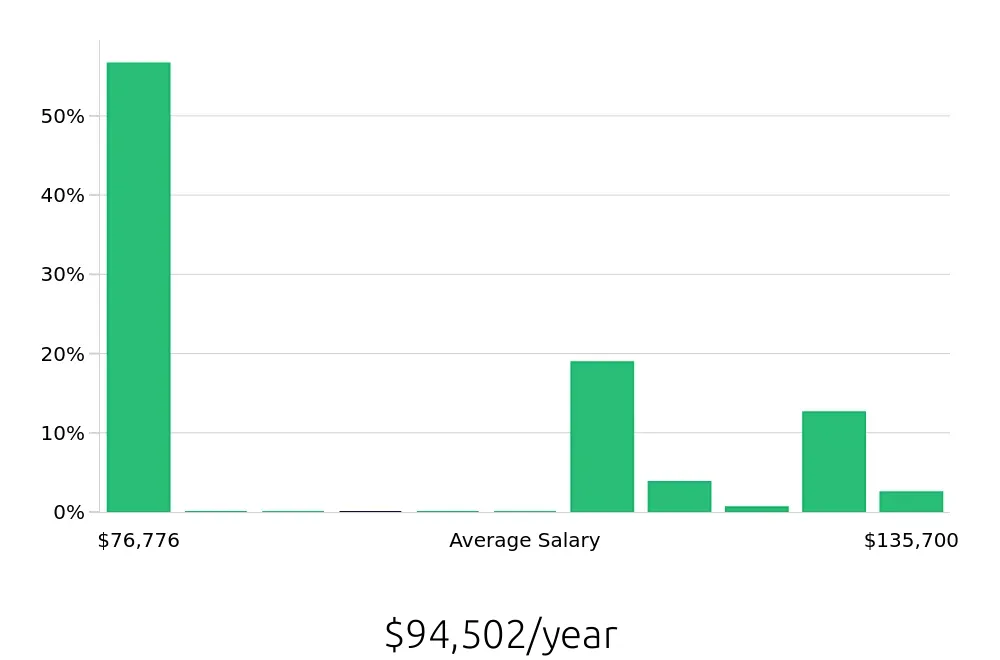
Nurse Managers enjoy a competitive salary that reflects their important role. According to the BLS, the average national annual compensation for this role is $128,490. This figure highlights the value placed on Nurse Managers who are responsible for ensuring smooth healthcare operations. Additionally, the average national hourly compensation is $61.78, making this a lucrative career path for those in the nursing field. As healthcare needs grow, so does the need for skilled Nurse Managers who can effectively lead nursing teams and ensure high-quality patient care.
Job seekers looking to enter this field should consider the positive growth trends and attractive compensation. The increasing number of job openings and the high salary make Nurse Management a rewarding career choice. Nurse Managers play a crucial role in healthcare, making this a fulfilling path for those who want to combine leadership with their nursing expertise.
Currently 10 Nurse Manager job openings, nationwide.
Continue to Salaries for Nurse Manager