What does a Nutrition Services Manager do?
A Nutrition Services Manager leads and oversees the planning and execution of nutrition services in various settings, such as hospitals, schools, or corporate wellness programs. This role ensures that individuals receive nutritious and safe food options. Nutrition Services Managers develop menus that meet dietary needs and standards. They also manage budgets and ensure that food costs remain within financial limits.
They collaborate with chefs, dietitians, and other staff to create meal plans. Nutrition Services Managers evaluate the quality of food and services regularly. They work to improve menus and operations based on feedback and new nutritional guidelines. This role requires strong organizational skills, a good understanding of nutrition, and the ability to lead a team effectively. Successful Nutrition Services Managers prioritize the health and satisfaction of those they serve.
How to become a Nutrition Services Manager?
Becoming a Nutrition Services Manager involves a series of steps that blend education, experience, and skill development. This career path requires a deep understanding of nutrition and the ability to manage food service operations. Job seekers interested in this role can follow a clear process to prepare for success.
First, obtaining the necessary education and qualifications sets the foundation for a career in nutrition services management. This often involves earning a degree in dietetics, nutrition, or a related field. A bachelor's degree is typically required, with some employers preferring a master’s degree or a certification from a recognized nutrition board. Gaining hands-on experience through internships or entry-level positions in food service can also be beneficial.
- Obtain a relevant degree in nutrition or dietetics.
- Complete internships or entry-level jobs in food service.
- Gain certification as a Registered Dietitian if applicable.
- Build management skills through additional education or training.
- Apply for positions and gain experience in food service management.
After securing the right education, the next step involves building practical experience in food service management. This can be achieved through roles that provide exposure to the day-to-day operations of a nutrition services department. Professional development courses in management and leadership can further enhance skills. Networking with industry professionals and joining relevant associations can provide valuable insights and opportunities for career advancement. Aspiring Nutrition Services Managers should continuously seek feedback and opportunities to improve their expertise.
How long does it take to become a Nutrition Services Manager?
The journey to becoming a Nutrition Services Manager involves several steps, each adding to the depth of knowledge and experience. Most people start with a bachelor's degree in nutrition, dietetics, or a related field. This program typically takes four years to complete. Following graduation, new graduates must complete a supervised practice program, also known as an internship. This usually lasts about one to two years.
After completing the internship, individuals must pass a national exam to become a registered dietitian. Once certified, gaining experience in the field is key. Many professionals spend several years working in various roles, such as clinical dietitians or food service managers. This experience helps to build the necessary skills and knowledge for a leadership position. With the right mix of education and experience, it can take around five to seven years to become a Nutrition Services Manager.
Nutrition Services Manager Job Description Sample
The Nutrition Services Manager is responsible for overseeing the development, implementation, and evaluation of nutrition programs within an organization. This role involves managing a team of nutrition professionals, ensuring compliance with dietary regulations, and collaborating with other departments to promote healthy eating and wellness initiatives.
Responsibilities:
- Develop, implement, and monitor nutrition programs that align with organizational goals and regulatory standards.
- Supervise and evaluate the performance of nutrition staff, providing training and professional development opportunities.
- Collaborate with healthcare providers, educators, and community organizations to promote healthy eating and wellness.
- Conduct regular assessments of nutrition programs, analyzing data and making recommendations for improvements.
- Ensure compliance with federal, state, and local dietary guidelines and regulations.
Qualifications
- Bachelor’s degree in nutrition, dietetics, public health, or a related field; Master’s degree preferred.
- Registered Dietitian (RD) certification or equivalent credential.
- Minimum of 5 years of experience in a nutrition services management role.
- Strong knowledge of dietary regulations, nutrition standards, and public health initiatives.
- Excellent leadership, communication, and interpersonal skills.
Is becoming a Nutrition Services Manager a good career path?
The role of a Nutrition Services Manager is pivotal in shaping the dietary health of communities, schools, and hospitals. This career path merges expertise in nutrition with management skills to oversee meal programs. Managers develop menus, ensure food quality, and supervise kitchen staff. The position demands a deep understanding of nutritional needs and culinary practices. This career path offers opportunities to make a direct impact on public health.
Choosing this path comes with both advantages and challenges. On the positive side, managers have the chance to influence nutrition policies, improve health outcomes, and work in diverse environments. They often enjoy job stability and opportunities for advancement. However, it’s important to consider the demanding nature of the job, which can include long hours and high stress, especially during meal services. Budget constraints and regulatory changes can also pose challenges. Balancing these factors will help professionals decide if this career suits their skills and interests.
Here are some pros and cons to consider:
- Pros:
- Opportunity to improve public health.
- Potential for career growth and stability.
- Diverse work environments.
- Cons:
- Demanding work hours and high stress.
- Budget constraints and regulatory changes.
- Need for ongoing education and certifications.
What is the job outlook for a Nutrition Services Manager?
The role of Nutrition Services Managers offers a promising career outlook for job seekers. According to the Bureau of Labor Statistics (BLS), this profession sees an average of 5,600 new job positions each year. This steady demand highlights the consistent need for professionals to manage and oversee nutrition services in various settings, including hospitals and schools. Such a consistent opening rate makes it easier for new professionals to find job opportunities and build a stable career in this field.
Furthermore, the BLS predicts a positive job growth trend from 2022 to 2032, with a projected increase of 6.6%. This growth rate is significant and suggests expanding opportunities within the sector. As awareness about health and wellness grows, more organizations are likely to invest in dedicated nutrition services, thereby increasing the need for skilled managers. Job seekers should find this outlook encouraging, as it points to a growing field with ample opportunities for advancement and stability.
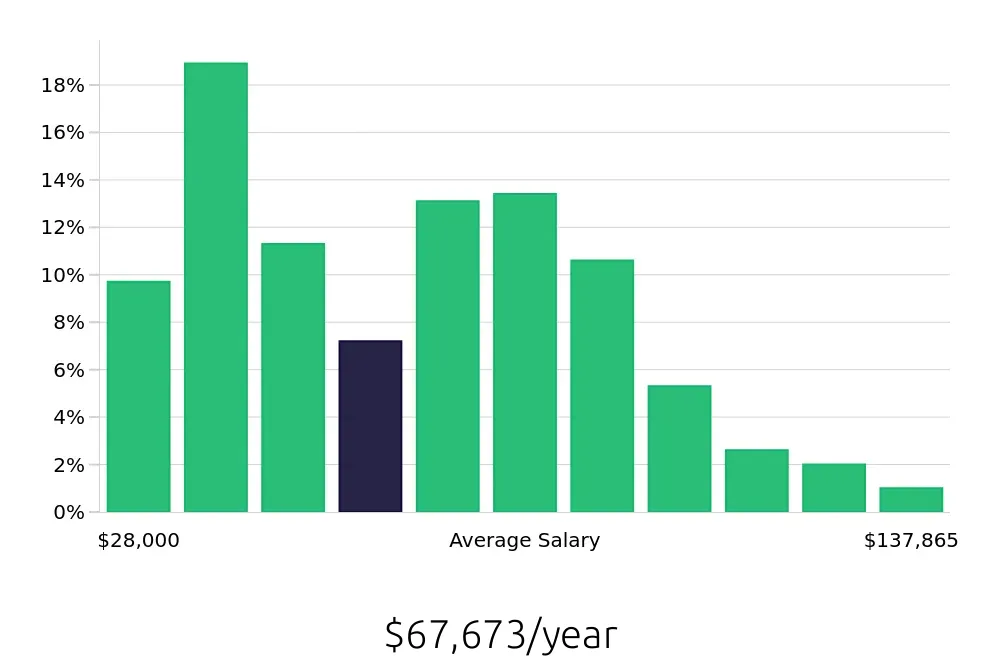
Nutrition Services Managers also enjoy a competitive salary, with an average national annual compensation of $71,280, according to the BLS. This figure reflects the value employers place on the expertise and leadership required for this role. In addition to the annual salary, the average hourly compensation stands at $34.27, providing a clear understanding of the financial benefits associated with this profession. These compensation figures make the role attractive to many job seekers looking for both a fulfilling career and a rewarding income.
Currently 262 Nutrition Services Manager job openings, nationwide.
Continue to Salaries for Nutrition Services Manager