What does a Outfitter do?
An Outfitter plays a key role in ensuring that individuals are well-prepared for activities, particularly those involving outdoor adventures. This role involves selecting, testing, and providing the necessary gear and equipment. Outfitters work closely with customers to understand their specific needs. They offer expert advice on what gear to use and how to use it safely. This profession demands a strong understanding of the products and a commitment to customer satisfaction.
The responsibilities of an Outfitter include managing inventory, organizing equipment, and maintaining high-quality standards. They must stay up-to-date with the latest gear and technology. Outfitters often work in teams, coordinating with other staff to provide a seamless experience. They prepare equipment for use and ensure everything is in perfect working order. This role is vital for safety and enjoyment during outdoor activities. It requires attention to detail and a passion for the outdoors.
How to become a Outfitter?
Becoming an Outfitter involves a series of deliberate steps that require both knowledge and skill. This role typically involves preparing gear and equipment for various activities, such as fishing, hunting, or outdoor adventures. To excel, one must understand the needs of clients and the equipment in question.
Starting this career involves several key actions. First, gain experience in relevant fields. Experience in outdoor activities can be very beneficial. Second, understand the equipment used in the specific outfitting niche. Knowledge about fishing gear, hunting equipment, or camping supplies is crucial. Third, acquire necessary licenses and certifications. Regulations often require specific qualifications to legally outfit clients for activities. Fourth, build a network within the industry. Connections can lead to job opportunities and valuable insights. Lastly, develop strong customer service skills. An Outfitter must communicate effectively and provide excellent service to retain clients.
To summarize, becoming an Outfitter demands a blend of hands-on experience, technical knowledge, and interpersonal skills. Following these steps can create a solid foundation for a successful career in this niche field.
- Gain relevant experience in outdoor activities.
- Acquire knowledge about the specific equipment used in the field.
- Obtain necessary licenses and certifications.
- Build a network within the industry.
- Develop strong customer service skills.
How long does it take to become a Outfitter?
Becoming an Outfitter involves gaining specific skills and experience. This role often requires a blend of practical knowledge and formal education. Most people need several years to gain the necessary experience. A common path includes a combination of education and on-the-job training.
The time frame can vary based on several factors. These include the type of outfitter, location, and personal dedication. Some outfitters start as interns or entry-level workers. They then learn the trade under experienced professionals. Others may take courses in related fields such as outdoor guides, gear repair, or customer service. This helps them build the skills needed for the job. Completing a formal apprenticeship or certification program can also shorten the time needed to become an outfitter.
Outfitter Job Description Sample
The Outfitter is responsible for equipping individuals or teams with the necessary gear and equipment to ensure they are well-prepared for specific activities or environments. This role involves selecting, sourcing, and maintaining equipment to meet the needs of clients, ensuring safety and efficiency in various operational contexts.
Responsibilities:
- Select and source appropriate gear and equipment based on client needs and activity requirements.
- Conduct equipment inspections and maintenance to ensure all gear is in optimal condition.
- Provide training and guidance on the proper use and maintenance of equipment.
- Develop and update equipment checklists and inventory records.
- Collaborate with other team members to plan and organize equipment logistics.
Qualifications
- Bachelor's degree in Engineering, Sports Science, or a related field is preferred.
- Proven experience in outfitting or a related role, preferably in outdoor or technical environments.
- Knowledge of various types of equipment and their applications.
- Strong organizational and problem-solving skills.
- Excellent communication and interpersonal skills.
Is becoming a Outfitter a good career path?
An Outfitter plays a vital role in outdoor adventures. They prepare gear, clothing, and food for expeditions. This role combines logistics with adventure, making it ideal for those who love nature and organization. Outfitters work in various environments, from forests to mountains. Their skills help ensure safety and comfort on trips.
An Outfitter faces many challenges. They must handle heavy loads and unpredictable weather. This job demands physical strength and careful planning. However, the work offers great rewards. Outfitters enjoy beautiful landscapes and the satisfaction of helping others. They also have opportunities to learn new skills and travel to new places.
Here are some pros and cons to consider:
- Pros:
- Get to work outdoors in beautiful settings.
- Enjoy a mix of physical activity and problem-solving.
- Help people have fun and safe adventures.
- Learn new skills and gain valuable experience.
- Have chances to travel and see new places.
- Cons:
- Must handle heavy gear and work in tough weather.
- Need to be very organized and detail-oriented.
- Sometimes have to work long hours, especially before trips.
- Must stay updated with safety and emergency procedures.
- Can face physical strain and fatigue.
What is the job outlook for a Outfitter?
Becoming an Outfitter offers a promising job outlook for job seekers. According to the Bureau of Labor Statistics (BLS), there are about 49,100 job openings each year. This means plenty of opportunities for those interested in this career. With a projected growth of 12.7% from 2022 to 2032, the demand for Outfitters is on the rise. This growth suggests a positive trend in the job market for Outfitters.
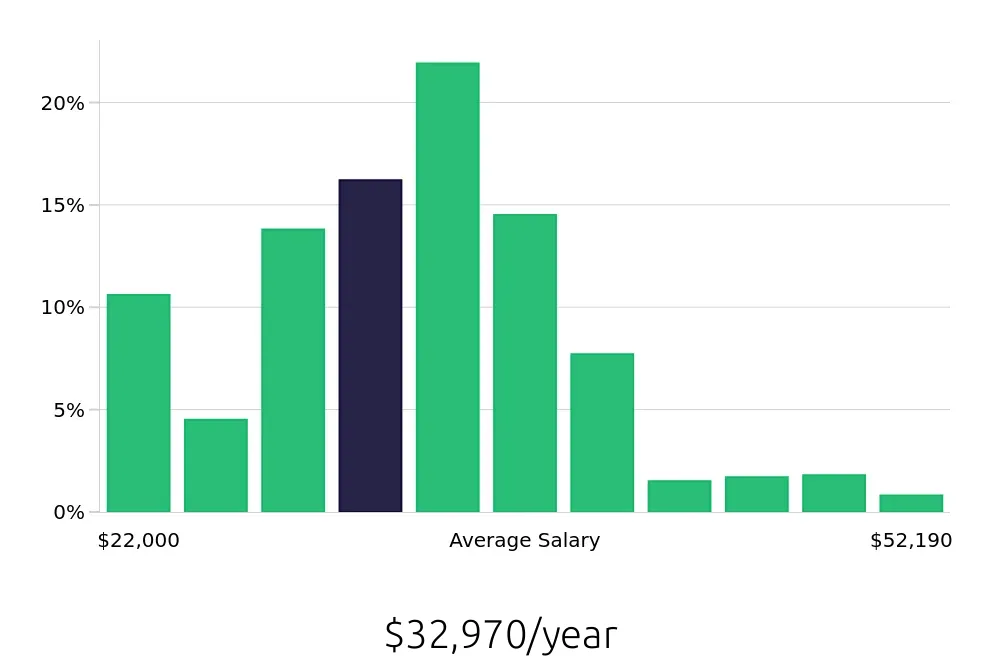
Outfitters enjoy a competitive salary as well. The BLS reports an average national annual compensation of $63,130. This is a solid income for those in this field. The average hourly compensation stands at $30.35, reflecting the value of the skills and services Outfitters provide. This attractive compensation package makes the profession appealing to many job seekers.
The growing demand and good compensation make the Outfitter career path worth considering. Job seekers can look forward to a stable and potentially lucrative career. With the BLS projecting a positive job outlook, now is a great time for those interested in becoming an Outfitter.
Currently 196 Outfitter job openings, nationwide.
Continue to Salaries for Outfitter