What does a Painter Helper do?
A Painter Helper assists painters in various tasks to ensure projects are completed efficiently and effectively. They support the main painters by preparing surfaces, applying primers, and cleaning up after painting. Painter Helpers are essential in achieving a high-quality finish and maintaining a tidy work environment.
Key responsibilities include measuring and marking areas, handling tools and materials, and ensuring safety protocols are followed. Painter Helpers often work on ladders or scaffolding and must be comfortable with heights. Their role is crucial in the success of any painting project, making them valuable team members. They work closely with experienced painters to ensure that tasks are performed accurately and on time.
How to become a Painter Helper?
Becoming a Painter Helper can lead to a rewarding job that plays a key role in various projects. This position involves assisting painters to ensure they can complete their work efficiently. Follow these steps to start a career as a Painter Helper.
The path to becoming a Painter Helper involves a few simple steps. Each step prepares the aspiring helper to work effectively in the painting industry. Below are the essential steps:
- Learn the Basics: Understand the tasks a Painter Helper performs. These include preparing surfaces, mixing paint, and cleaning up.
- Get Training: Consider taking a short course in painting and construction. These courses teach the skills needed to work in the field.
- Gain Experience: Look for opportunities to work with experienced painters. Volunteer or seek entry-level positions to build practical skills.
- Network: Connect with professionals in the painting industry. Attend job fairs and industry events to learn more about job openings.
- Apply for Jobs: Start applying for Painter Helper positions. Look for openings on job boards and company websites.
Starting a career as a Painter Helper requires dedication and a willingness to learn. By following these steps, job seekers can gain the skills and experience needed to succeed in this role.
How long does it take to become a Painter Helper?
Interested in a rewarding career in the painting industry? Becoming a Painter Helper is a great choice. This role supports painters with various tasks, ensuring they can complete projects on time and to standard. The time it takes to become a Painter Helper varies depending on your background and the specific path you choose.
Most Painter Helpers start by completing a short training program. These programs can last from a few days to a couple of weeks. They focus on basic skills, safety procedures, and tools. Some helpers start with formal education in a vocational school or community college. These programs often offer hands-on experience and can take up to a year to complete. Experience in construction or a related field can also help. Many employers value this kind of prior experience and may offer quicker onboarding.
After completing training, helpers can start working under the supervision of experienced painters. On-the-job training continues as they gain practical experience. Helpers learn more about painting techniques, materials, and project management. This experience is valuable and can lead to more advanced roles within a few years. With dedication and hard work, anyone can become a skilled Painter Helper in a relatively short time.
Painter Helper Job Description Sample
We are seeking a dependable and hard-working Painter Helper to join our team. The ideal candidate will assist painters in a variety of tasks, ensuring that painting projects are completed efficiently and to a high standard. This role is perfect for someone who enjoys working outdoors and is keen on contributing to the visual appeal of buildings and structures.
Responsibilities:
- Assist senior painters in preparing surfaces for painting, including tasks such as sanding, filling holes, and applying primers.
- Handle and organize tools and materials, ensuring they are readily available for painters.
- Perform general cleaning tasks, such as sweeping, mopping, and removing debris from work areas.
- Mix paint and other materials as directed by the lead painter.
- Apply and remove protective coverings like plastic sheeting and drop cloths.
Qualifications
- High school diploma or equivalent required.
- Previous experience in a painting or construction-related role is preferred.
- Good physical stamina and the ability to work in various weather conditions.
- Basic understanding of painting techniques and materials.
- Ability to follow instructions and work well as part of a team.
Is becoming a Painter Helper a good career path?
Working as a Painter Helper offers valuable experience in the construction and painting industries. This role often involves assisting professional painters, which can provide hands-on training. Helpers may learn about color mixing, surface preparation, and the use of various painting tools. This experience can serve as a stepping stone to higher-paying jobs in the painting trade.
Being a Painter Helper also offers flexibility in work hours and locations. Many jobs are temporary, which can be ideal for those who prefer varied work schedules. However, it’s important to consider the physical demands of the job. Painter Helpers often stand for long periods, lift heavy materials, and work in different weather conditions. This can be strenuous and may not suit everyone.
Here are some pros and cons of being a Painter Helper:
- Pros:
- Opportunity to learn from experienced painters.
- Flexible work hours and locations.
- Potential to earn higher wages with experience.
- Cons:
- Physically demanding and strenuous.
- Often requires working in various weather conditions.
- Limited job security with many temporary positions.
What is the job outlook for a Painter Helper?
Painter helpers can look forward to a steady job outlook in the coming years. According to the Bureau of Labor Statistics (BLS), this role sees around 1,000 new positions added each year. This means a growing number of opportunities for those in the field. The BLS also projects a 1.5% increase in job openings from 2022 to 2032, indicating a positive trend for job seekers. These numbers show a stable and growing demand for skilled painter helpers.
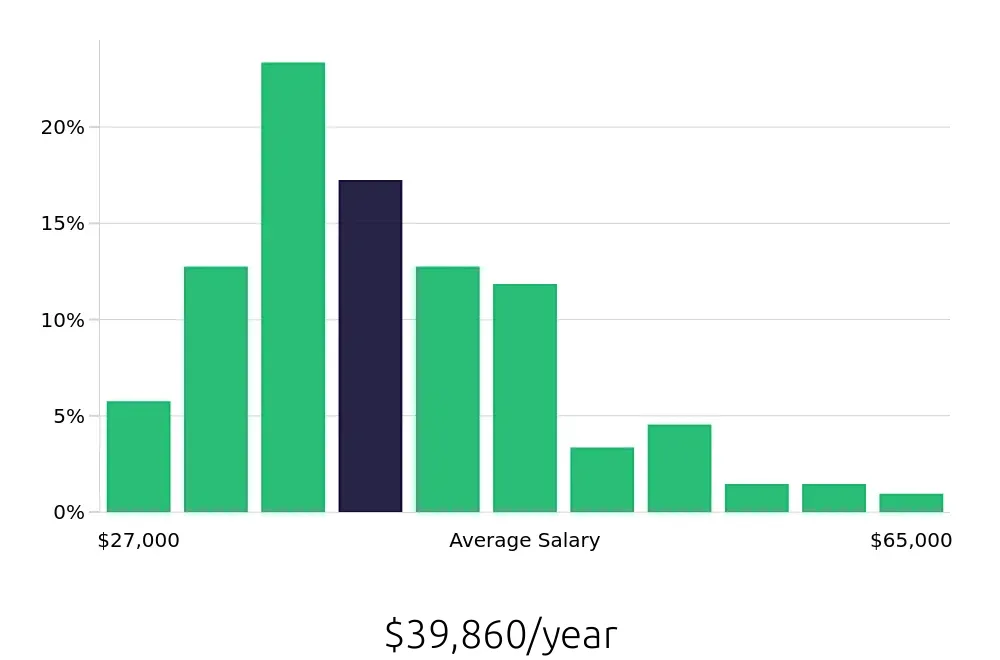
For those considering this career, the financial outlook is also promising. The average national annual compensation for painter helpers stands at $41,340, as reported by the BLS. This figure reflects a competitive salary for the work involved. Additionally, the average hourly wage is $19.87, offering a fair rate for both experienced and new workers. These financial details make the role attractive for those seeking both job security and decent earnings.
Interested job seekers will find that the path to becoming a painter helper is accessible. This position often serves as an entry-level role, making it a great starting point in the construction and painting industries. With the right skills and experience, opportunities for advancement and higher earnings are available. This role not only provides a stable career but also the potential for growth and increased responsibility over time.
Currently 42 Painter Helper job openings, nationwide.
Continue to Salaries for Painter Helper