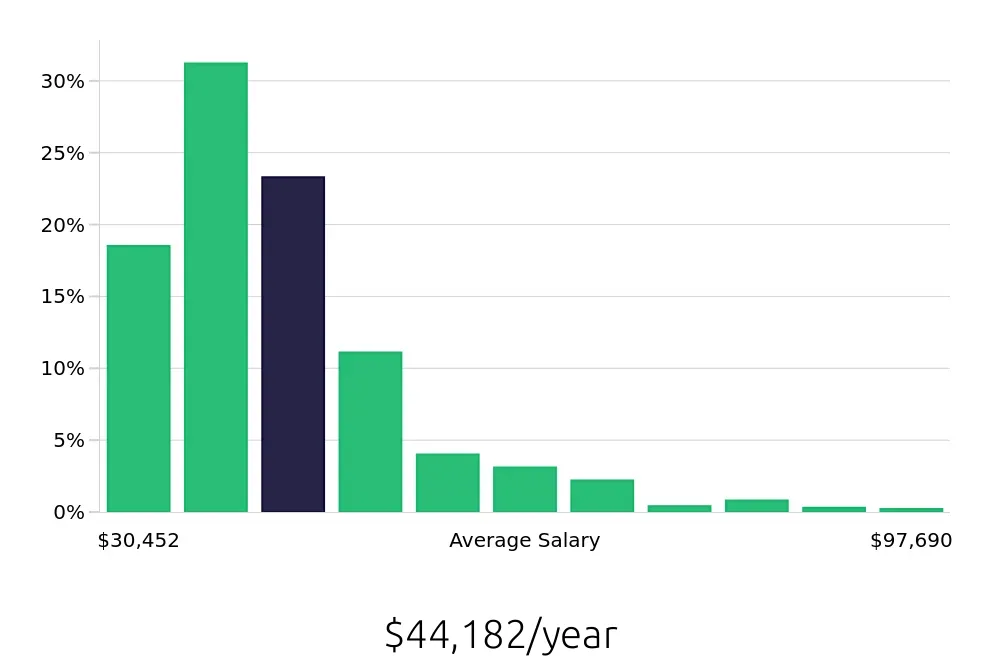
What does a Patient Care Coordinator do?
A Patient Care Coordinator plays a crucial role in healthcare settings. This professional ensures that patients receive the best possible care. They work closely with doctors, nurses, and other staff to manage patient appointments and coordinate care. They also help patients understand their treatment plans and answer any questions they may have. A Patient Care Coordinator often acts as a liaison between patients and healthcare providers.
In this role, the coordinator handles a variety of tasks. These include scheduling appointments, verifying insurance information, and maintaining patient records. They also follow up with patients after their visits to ensure they are doing well. The coordinator might also assist in handling administrative duties such as billing and managing patient flow. This role requires excellent communication skills and a strong attention to detail. A Patient Care Coordinator aims to improve the patient experience and ensure smooth operations within the healthcare facility.
How to become a Patient Care Coordinator?
Becoming a Patient Care Coordinator is a rewarding career choice for those who want to help others in a healthcare setting. This role involves coordinating patient care, managing schedules, and ensuring a smooth experience for patients. Here are five steps to become a Patient Care Coordinator.
First, complete high school or earn a GED. This is the basic educational requirement for this role. Second, earn a relevant certification. Organizations like the National Healthcareer Association offer certifications that can boost employability. Third, gain experience in healthcare. Volunteer or work in a medical setting to understand patient care. Fourth, apply for entry-level positions. Look for jobs that require minimal experience. Finally, continue education and training. Attend workshops and courses to enhance skills and stay updated on healthcare trends.
Each step is important for building a successful career. Starting with a high school diploma opens the door to further education and training. Certifications make a resume stand out and show commitment to the field. Experience in healthcare provides valuable skills and insights into patient care. Entry-level jobs offer opportunities to learn and grow. Ongoing education keeps skills sharp and career options open.
- Complete high school or earn a GED.
- Earn a relevant certification.
- Gain experience in healthcare.
- Apply for entry-level positions.
- Continue education and training.
How long does it take to become a Patient Care Coordinator?
A Patient Care Coordinator works to ensure that patients receive the best possible care. This role involves coordinating appointments, managing patient records, and providing support to both patients and healthcare staff. To enter this field, one must first complete the necessary education and training.
Most Patient Care Coordinator positions require a high school diploma or GED. Some employers prefer candidates who have completed a post-secondary education program. These programs can last from a few months to two years. Programs offer training in medical terminology, patient care, and administrative tasks. Graduates often complete a short internship or hands-on training. This experience helps them learn how to use the skills they acquired in a real job setting.
Once the educational requirements are met, individuals can seek certification to enhance their job prospects. Certifications focus on patient care coordination skills and can be completed in a matter of weeks. Some popular certifications include the Certified Patient Care Coordinator (CPC) credential and the Certified Patient Navigator (CPN) certification. These certifications demonstrate a commitment to the profession and can lead to better job opportunities.
Patient Care Coordinator Job Description Sample
The Patient Care Coordinator is responsible for enhancing patient experience by managing patient communications, scheduling appointments, and coordinating care services. This role requires excellent organizational skills, strong communication abilities, and a compassionate approach to patient care.
Responsibilities:
- Manage patient appointments and schedule follow-up visits to ensure continuity of care.
- Coordinate with healthcare providers to facilitate patient care and ensure timely delivery of services.
- Communicate with patients regarding their care plans, treatments, and follow-up appointments.
- Assist patients with navigating healthcare services and resources available to them.
- Maintain patient records and ensure confidentiality and accuracy of all documentation.
Qualifications
- Bachelor’s degree in Healthcare Administration, Business Administration, or a related field.
- Minimum of 2 years of experience in a healthcare setting, preferably as a Patient Care Coordinator or similar role.
- Strong organizational and multitasking skills.
- Excellent communication and interpersonal skills.
- Proficiency in medical scheduling software and electronic health record (EHR) systems.
Is becoming a Patient Care Coordinator a good career path?
Patient Care Coordinators play a vital role in the healthcare industry. They work between patients and healthcare providers to ensure smooth and efficient care. These coordinators help manage schedules, coordinate appointments, and assist patients with understanding their care plans. This role often requires excellent communication skills and a compassionate approach to patient needs.
Being a Patient Care Coordinator offers several advantages. Coordinators have the opportunity to make a real difference in people's lives. They also enjoy varied daily tasks, which can keep the job interesting. This role often includes working closely with a healthcare team, which can provide a sense of community and teamwork. However, there are also challenges to consider. The job can be demanding, with long hours and high stress during busy times. Coordinators must handle sensitive information, requiring a high level of confidentiality and professionalism.
Here are some pros and cons of the role:
- Pro: Helping patients and improving their health outcomes
- Pro: Variety in daily tasks and responsibilities
- Pro: Opportunity to work as part of a healthcare team
- Con: Job can be stressful with high demands
- Con: Requires managing sensitive patient information
- Con: May involve long and irregular hours
What is the job outlook for a Patient Care Coordinator?
Job seekers interested in becoming a Patient Care Coordinator will be pleased to know about the promising job outlook in this field. The Bureau of Labor Statistics (BLS) reports an average of 14,300 job positions available each year. This steady demand reflects a growing need for professionals who can manage patient care efficiently. The BLS also projects a 7.5% increase in job openings from 2022 to 2032, indicating a positive growth trend.
With such a robust job outlook, Patient Care Coordinators can expect stable employment opportunities. This role is crucial in healthcare settings, where coordination and communication skills are essential. As the healthcare industry expands, so does the need for dedicated professionals to handle patient care coordination. These factors make it an attractive career path for many job seekers. The compensation is also appealing, with an average national annual salary of $55,830 and an hourly rate of $26.84, according to the BLS.
For those considering a career as a Patient Care Coordinator, the future looks bright. The combination of steady job availability, projected growth, and competitive compensation makes this role both secure and rewarding. Whether you are a new graduate or looking to switch careers, this field offers many opportunities for professional development and job satisfaction. With the right skills and training, job seekers can look forward to a promising future in this vital healthcare role.
Currently 1,731 Patient Care Coordinator job openings, nationwide.
Continue to Salaries for Patient Care Coordinator