What does a Personal Assistant do?
A Personal Assistant, often referred to as a PA, provides essential support to executives and managers. This role involves managing schedules, coordinating meetings, and handling correspondence. Personal Assistants ensure their supervisors can focus on key tasks by taking care of routine administrative duties. This position often includes organizing travel arrangements, booking conference rooms, and preparing documents and presentations.
To excel in this role, a Personal Assistant must have excellent organizational skills and attention to detail. They need to manage multiple tasks simultaneously and prioritize effectively. Communication is key, as Personal Assistants often act as the first point of contact for clients and colleagues. They must maintain confidentiality and handle sensitive information with care. Personal Assistants also support their supervisors by providing analytical assistance, conducting research, and preparing reports. This role demands a proactive approach and the ability to work well under pressure.
How to become a Personal Assistant?
Becoming a Personal Assistant (PA) can open many doors in various industries. It is a role that demands a blend of organizational skills, attention to detail, and strong communication abilities. This guide outlines the steps to embark on this rewarding career path.
Starting this journey involves several key steps. They provide a clear roadmap to becoming a successful Personal Assistant.
- Get Relevant Education: The first step is to obtain a high school diploma or equivalent. Consider taking courses in office management, administration, or business. These courses can provide valuable skills and knowledge.
- Build Key Skills: A Personal Assistant must excel in time management, communication, and multitasking. Develop these skills through work experience or training programs. Practice organizing tasks and managing schedules to improve efficiency.
- Gain Experience: Look for internships or entry-level positions in administrative roles. This experience helps build a resume and gain insights into the daily tasks of a PA. Volunteering can also provide practical experience and networking opportunities.
- Create a Professional Resume: Highlight relevant skills and experiences on a well-crafted resume. Include any certifications or courses taken. Tailor the resume to the specific job requirements of a Personal Assistant.
- Apply for Jobs: Start applying to PA positions. Use online job boards, company websites, and networking to find opportunities. Prepare for interviews by researching common PA interview questions and practicing your responses.
How long does it take to become a Personal Assistant?
A personal assistant often handles many tasks for a boss. These tasks range from managing schedules to organizing files. The time it takes to become a personal assistant can vary. Factors like prior experience and education play a role. Some people gain needed skills through a formal education. Others learn on the job.
Most people can start working as a personal assistant with a high school diploma. Some jobs may ask for more education, like an associate's degree. Many people also take courses in office skills or administrative work. These can help a lot. Experience in customer service or other office jobs can also be useful. For those who already have some experience, training programs can speed up the process. These programs can last from a few weeks to a few months.
Personal Assistant Job Description Sample
We are seeking a highly organized and detail-oriented Personal Assistant to join our team. The ideal candidate will provide comprehensive administrative support to our executives, ensuring smooth and efficient operations. This role requires excellent time management skills, the ability to handle multiple tasks simultaneously, and a proactive approach to problem-solving.
Responsibilities:
- Schedule and coordinate meetings, appointments, and travel arrangements for executives.
- Manage and prioritize the executive's calendar, ensuring timely and efficient use of their time.
- Draft, prepare, and edit documents, presentations, and reports as needed.
- Handle incoming and outgoing correspondence, including emails, phone calls, and mail.
- Maintain and organize executive's files and records, ensuring easy access to information.
Qualifications
- Bachelor’s degree in Business Administration or a related field preferred.
- Proven experience as a Personal Assistant or in a similar role.
- Exceptional organizational and time management skills.
- High level of proficiency in MS Office Suite (Word, Excel, PowerPoint, Outlook).
- Excellent communication and interpersonal skills.
Is becoming a Personal Assistant a good career path?
A Personal Assistant (PA) plays a crucial role in supporting executives and managers. This role involves handling schedules, organizing meetings, and managing communications. It requires strong organizational skills and attention to detail. Many professionals find it a rewarding career, as it offers the chance to work closely with influential leaders.
The job market for PAs is strong, with opportunities in various industries. Many companies value a PA's ability to streamline operations and provide personal support. However, the role can be demanding, requiring flexibility and the ability to handle multiple tasks simultaneously. Successful PAs often excel in multitasking and maintaining a calm demeanor under pressure.
Consider these pros and cons before pursuing a career as a Personal Assistant:
- Pros:
- Close work with top-level executives
- High demand in many industries
- Opportunity for career growth
- Skills in time management and organization
- Cons:
- Potential for long hours
- High stress levels
- Limited personal time
- Dependence on a single employer
Overall, a career as a Personal Assistant offers unique benefits and challenges. It can be a stepping stone to higher-level positions in management.
What is the job outlook for a Personal Assistant?
Seeking a career as a Personal Assistant offers promising job prospects. The Bureau of Labor Statistics (BLS) reports an average of 6,500 job openings annually. This trend points to steady demand for skilled personal assistants. Whether working for executives or busy professionals, this role remains vital.
Job seekers can expect a 5.6% increase in job openings from 2022 to 2032. This growth highlights the enduring need for competent personal assistants. With technology evolving, personal assistants need strong organizational and communication skills. These qualities ensure they can manage tasks efficiently and adapt to new tools.
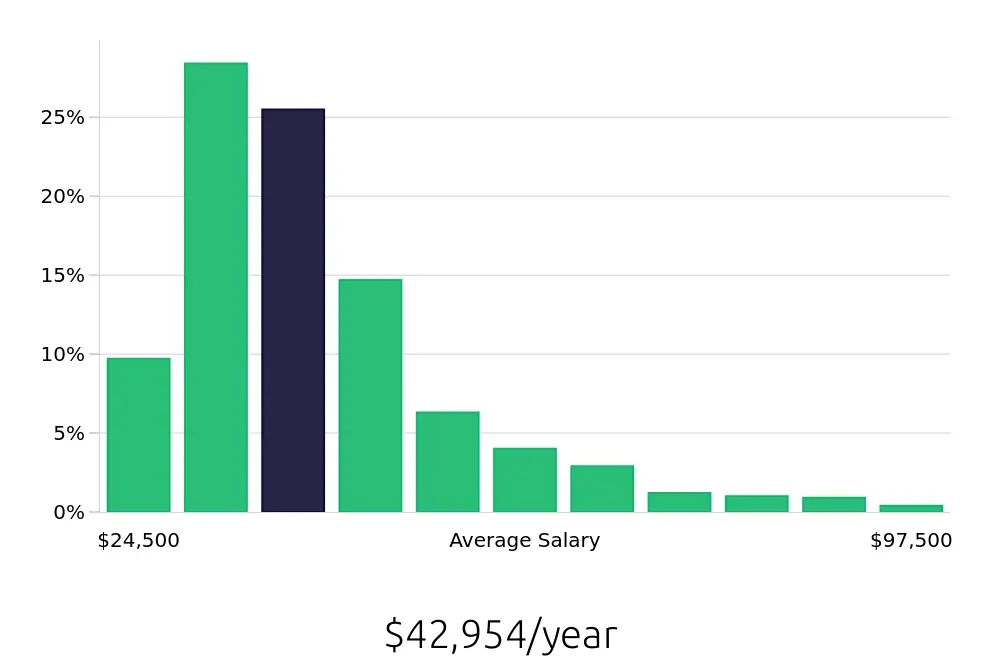
The average national annual compensation for personal assistants is $38,530, according to the BLS. Hourly compensation averages $18.52. These figures reflect the value of experience and skills in the field. As job seekers gain more experience, they can look forward to competitive salaries. Personal assistants often find rewarding and stable employment in this role.
Currently 663 Personal Assistant job openings, nationwide.
Continue to Salaries for Personal Assistant