What does a Personal Shopper do?
A Personal Shopper brings a personalized touch to shopping. This role involves understanding a client's style, preferences, and needs. They help find the perfect items that match what the client is looking for. A Personal Shopper visits stores, compares products, and offers recommendations. They also handle the purchasing process, ensuring items are delivered directly to the client. This position combines an eye for fashion with strong communication skills.
The job requires staying updated on the latest trends and styles. Personal Shoppers often work with clients who want unique or high-end items. They must be knowledgeable about various brands and products. Communication is key, as they need to understand and convey the client's vision. This role is ideal for those who enjoy fashion and have a knack for helping others find what they need. A Personal Shopper makes the shopping experience easier and more enjoyable for clients.
How to become a Personal Shopper?
Becoming a Personal Shopper can lead to a fulfilling career in retail and customer service. This profession allows individuals to assist clients in finding the perfect items to match their style and needs. To embark on this journey, one must follow a clear and structured path. Below are the essential steps to becoming a successful Personal Shopper.
The journey begins with gaining the necessary skills and knowledge. A good starting point includes understanding fashion trends, having a keen eye for detail, and developing strong communication skills. Many find it helpful to take courses in fashion merchandising or retail management to gain an edge in the competitive market. Networking with industry professionals and attending fashion events can also provide valuable insights and opportunities. The next step involves acquiring practical experience. This can be achieved through internships or entry-level positions at retail stores or fashion boutiques. Observing seasoned Personal Shoppers and learning from their techniques is a crucial part of this experience. Building a strong portfolio of styled outfits and a personal brand can greatly enhance a candidate's appeal to potential employers.
Creating an effective online presence is essential for Personal Shoppers in today’s digital age. Using social media platforms to showcase styled outfits and connect with a broader audience can lead to more job opportunities. Following these steps will prepare anyone to become a successful Personal Shopper. Here are the steps in detail:
- Gain knowledge in fashion and retail.
- Take relevant courses and attend industry events.
- Gain practical experience through internships or entry-level jobs.
- Build a personal brand and online presence.
- Network with industry professionals and potential clients.
How long does it take to become a Personal Shopper?
Becoming a Personal Shopper can vary in time. It depends on several factors, including education, experience, and the path taken. Most personal shoppers start with a high school diploma or equivalent. Some may pursue a degree in fashion, marketing, or business. This formal education can take two to four years.
Many personal shoppers gain experience through internships or entry-level jobs in retail or fashion. This hands-on experience can take several months to a few years. Some may start as sales associates or assistants before moving into a personal shopping role. Networking and building a portfolio can also speed up the process. Networking with industry professionals and creating a portfolio of past work can help someone transition into a personal shopping position faster. The combination of education, experience, and networking helps create a strong foundation for a career in personal shopping.
Personal Shopper Job Description Sample
The Personal Shopper is responsible for providing personalized shopping assistance to clients, understanding their preferences, and helping them find the perfect products that match their style, budget, and needs. This role requires exceptional customer service skills, a deep understanding of fashion and trends, and the ability to build and maintain strong relationships with clients.
Responsibilities:
- Assist clients in finding products that match their style, budget, and needs
- Stay up-to-date with current fashion trends and products to provide informed recommendations
- Provide personalized styling advice and suggestions based on clients' preferences
- Maintain regular communication with clients to understand their evolving needs and preferences
- Collaborate with sales associates to ensure clients receive excellent service and support
Qualifications
- Previous experience in retail, sales, or customer service preferred
- Strong understanding of fashion trends and an eye for detail
- Excellent communication and interpersonal skills
- Ability to build and maintain strong relationships with clients
- Strong organizational skills and attention to detail
Is becoming a Personal Shopper a good career path?
A career as a Personal Shopper combines elements of fashion and customer service. It involves understanding a client's style and needs to find the perfect outfit or product. This job can be rewarding for those who enjoy helping others and have a keen eye for design. Personal Shoppers work in boutiques, retail stores, and even online settings. They often need to stay up-to-date with the latest trends to advise their clients effectively.
Personal Shoppers enjoy several benefits. They interact with people daily and provide a service that enhances their clients' appearance and confidence. This role offers flexibility, as some Personal Shoppers work part-time or freelance. However, the job also has its challenges. Personal Shoppers must handle difficult clients and sometimes work on commission, which can lead to variable income. They need to be skilled in communication and sales to succeed.
Consider these pros and cons before choosing a career as a Personal Shopper:
- Pros:
- Help others look and feel their best
- Flexible working hours
- Opportunities to work in various retail environments
- Cons:
- Potential for fluctuating income
- Must handle demanding or difficult clients
- Need for constant trend updates
What is the job outlook for a Personal Shopper?
Looking to join the field of personal shopping? This role offers a stable job outlook with consistent opportunities. The Bureau of Labor Statistics (BLS) reports an average of 22,800 job positions available each year for Personal Shoppers. This number has seen a slight growth trend, with a projected 0.2% increase from 2022 to 2032. Job seekers can feel confident that there will be ample opportunities to enter this growing industry.
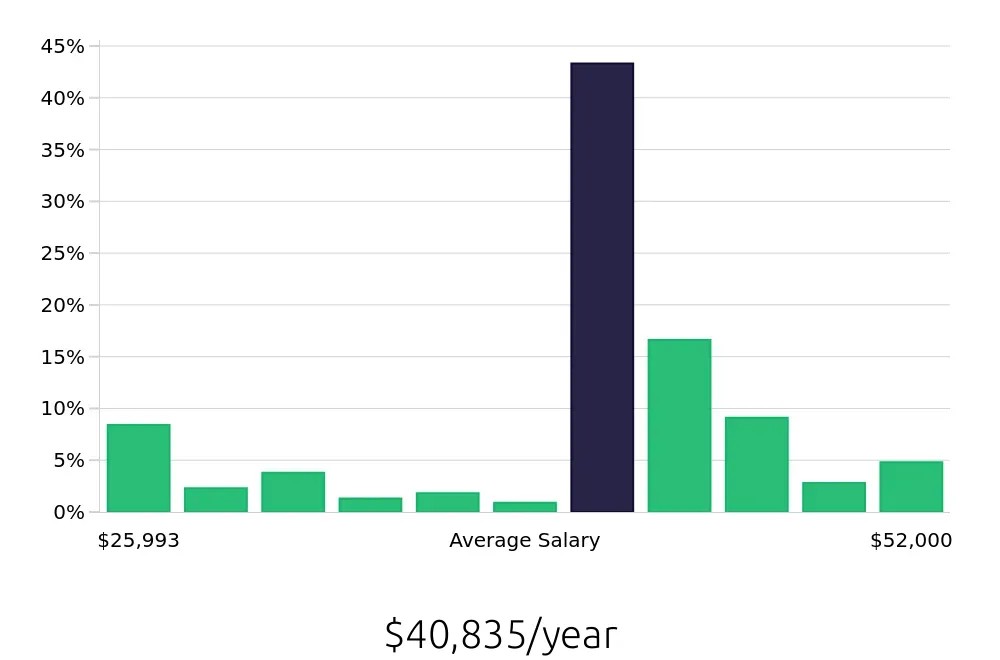
Compensation for Personal Shoppers is competitive, reflecting the value of their services. The BLS indicates an average annual salary of $53,530. This compensation rate varies based on experience, location, and the client base. Hourly rates stand at $25.74, offering attractive pay for those in this occupation. These figures highlight the financial rewards that personal shopping can provide, making it a viable career choice for many job seekers.
Personal Shoppers assist clients in finding products that match their preferences and budgets. This role requires strong customer service skills, an eye for detail, and the ability to navigate various retail environments. The job outlook is positive, with steady growth and competitive pay. Job seekers with these skills can find rewarding career paths in this expanding field.
Currently 569 Personal Shopper job openings, nationwide.
Continue to Salaries for Personal Shopper