What does a Personnel Worker do?
A Personnel Worker plays a crucial role in managing an organization’s human resources. They work to ensure the team runs smoothly by handling tasks such as recruiting, hiring, onboarding new employees, and managing staff records. This position collaborates with different departments to understand their staffing needs and find the right candidates to fill those roles.
The Personnel Worker also assists with employee training and development. They organize workshops and training sessions to help staff improve their skills. This role ensures that everyone has the necessary tools and knowledge to perform well in their jobs. They work to maintain a positive work environment by resolving conflicts and supporting employee needs.
How to become a Personnel Worker?
Becoming a Personnel Worker requires dedication, the right qualifications, and a clear understanding of the steps involved. This career path offers rewarding opportunities for those who enjoy helping others navigate their professional journeys. Below are the key steps to take to embark on a successful career as a Personnel Worker.
The first step is to obtain the necessary education. Most employers look for candidates with a high school diploma or GED. Some positions may require a bachelor's degree in Human Resources or a related field. Gaining this education provides the foundational knowledge needed for the role.
- Earn a Degree: Secure a high school diploma or GED. Consider pursuing a bachelor's degree in Human Resources or a related field for a competitive edge.
- Gain Experience: Seek internships or entry-level positions in human resources or related fields. This experience builds practical skills and makes your resume stand out.
- Develop Skills: Focus on developing strong communication, organizational, and problem-solving skills. These are essential for managing personnel tasks effectively.
- Get Certified: Consider obtaining relevant certifications, such as the Human Resource Certification Institute (HRCI) or Society for Human Resource Management (SHRM) credentials. These certifications enhance your qualifications.
- Apply for Jobs: Start applying for Personnel Worker positions. Tailor your resume and cover letter to highlight your education, experience, and skills. Networking can also open doors to job opportunities.
How long does it take to become a Personnel Worker?
The path to becoming a Personnel Worker varies based on education and experience. Typically, this career requires at least a high school diploma or equivalent. Some employers may prefer candidates with a bachelor’s degree in human resources or a related field. On average, it takes about two to four years to gain the necessary skills and education. This timeline includes formal education and any required certifications.
Those who pursue higher education can expect to spend an additional two to four years completing a bachelor’s degree program. This investment can open more job opportunities and lead to higher positions within the field. After completing education, many new Personnel Workers begin their careers in entry-level roles. Over time, they can advance through experience and additional training. This career path emphasizes continual learning and skill development. Building a strong resume with relevant experience is crucial for career growth.
Personnel Worker Job Description Sample
A Personnel Worker plays a crucial role in managing and supporting the human resources function within an organization. This position ensures the efficient operation of personnel services, which include recruitment, onboarding, employee relations, benefits administration, and compliance with labor laws. The Personnel Worker works closely with both management and employees to maintain a positive and productive work environment.
Responsibilities:
- Assist in the recruitment process by posting job openings, reviewing applications, and scheduling interviews.
- Support the onboarding process for new hires, ensuring all necessary paperwork and orientation materials are completed.
- Maintain employee records, ensuring accuracy and confidentiality in accordance with company policies and legal requirements.
- Coordinate and administer employee benefits programs, including health insurance, retirement plans, and other employee perks.
- Manage employee relations matters, addressing inquiries, and resolving issues to foster a positive work environment.
Qualifications
- High school diploma or equivalent required; bachelor’s degree in Human Resources or a related field is preferred.
- Previous experience in human resources, administrative support, or a related field is advantageous.
- Strong understanding of labor laws and HR best practices.
- Excellent organizational and time-management skills with the ability to handle multiple tasks simultaneously.
- Strong interpersonal skills with the ability to interact effectively with employees at all levels.
Is becoming a Personnel Worker a good career path?
A Personnel Worker plays a crucial role in helping companies manage their workforce. This job involves recruiting, hiring, and onboarding new employees. They ensure that the right people are in the right jobs. Personnel Workers also handle employee benefits, training, and development programs. They work to create a positive work environment and support staff at all levels.
There are many benefits to working as a Personnel Worker. This role offers opportunities to meet a variety of people and improve your communication skills. Personnel Workers often work in a supportive role, helping others succeed. They can work in many industries, from manufacturing to healthcare. This career path offers chances to grow and move up within an organization. However, Personnel Workers should be ready to handle high stress and tight deadlines. They need to stay up-to-date with laws and regulations affecting employment.
Choosing a career as a Personnel Worker has its pros and cons. On the positive side, Personnel Workers enjoy job stability and a clear career path. They can see the impact of their work on the company’s success. Networking opportunities are also plentiful. On the downside, the job can be stressful and demanding. It requires strong attention to detail and the ability to handle confidential information with care. Here are some pros and cons to consider:
- Pros:
- Job stability and growth opportunities
- Impactful work that supports company goals
- Networking with a variety of professionals
- Cons:
- High stress and tight deadlines
- Need for strong attention to detail
- Handling confidential information
What is the job outlook for a Personnel Worker?
The job outlook for Personnel Workers is strong, with an average of 84,100 job positions available each year according to the Bureau of Labor Statistics (BLS). This promising outlook is due to a projected percent change of 5.4% from 2022 to 2032, indicating a steady growth in demand for qualified professionals in this field. This growth offers a positive sign for job seekers looking to enter or advance within the Personnel Worker profession.
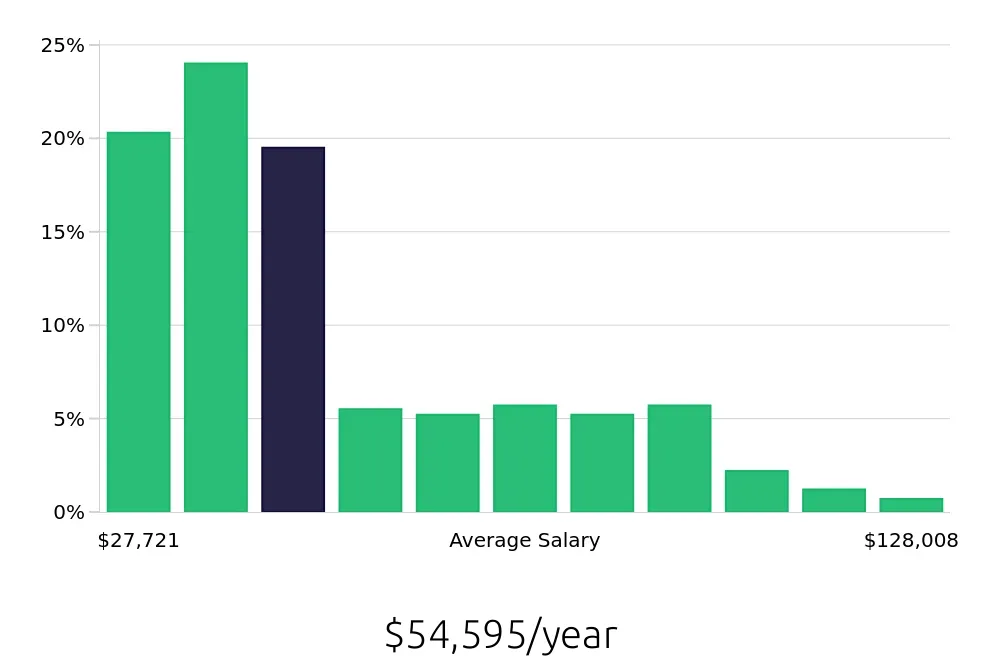
Personnel Workers enjoy a competitive average national annual compensation of $77,260, as reported by the BLS. This level of pay reflects the value and expertise that employers place on skilled Personnel Workers. Additionally, the average national hourly compensation for this role stands at $37.15, showcasing the financial rewards that can come with this career choice. These figures make the Personnel Worker position an attractive option for many job seekers.
Looking ahead, the job market for Personnel Workers continues to present numerous opportunities. With a combination of growing job positions, strong compensation, and a positive employment outlook, this career path is an excellent choice for those seeking stability and growth in their professional journey. Aspiring Personnel Workers can look forward to a rewarding career with ample opportunities for advancement and financial success.
Currently 92 Personnel Worker job openings, nationwide.
Continue to Salaries for Personnel Worker