What does a Portfolio Manager do?
A Portfolio Manager plays a critical role in overseeing and managing a client's financial investments. This position involves analyzing market trends, making investment decisions, and monitoring financial portfolios. Portfolio Managers aim to maximize returns while managing risk effectively. They use data and analytics to craft investment strategies that align with clients' financial goals.
The work of a Portfolio Manager includes reviewing financial statements, assessing investment performance, and providing clients with regular updates. They meet with clients to understand their financial needs and long-term objectives. Additionally, Portfolio Managers must stay updated on market conditions and economic changes that might affect investments. This role requires strong analytical skills, attention to detail, and the ability to communicate complex financial information clearly.
Key responsibilities of a Portfolio Manager include:
- Developing and implementing investment strategies
- Conducting market and financial research
- Monitoring and adjusting investment portfolios
- Providing financial advice to clients
- Preparing detailed investment reports
How to become a Portfolio Manager?
Becoming a Portfolio Manager involves several important steps. This career can be rewarding for those who enjoy financial markets and strategic planning. Follow these steps to enter this exciting field.
First, obtain a relevant degree. Many Portfolio Managers have a background in finance, economics, or business. A bachelor's degree is often the starting point. Look for programs that offer courses in investment management, financial analysis, and portfolio theory. Consider pursuing a master's degree or specialized certifications later to enhance skills.
- Gain Experience: Work in the finance industry. Internships and entry-level positions provide valuable experience. This experience helps build a strong foundation in financial analysis, risk management, and client relations.
- Develop Skills: Learn key skills needed for the job. These include analytical thinking, attention to detail, and strong communication skills. Software skills, such as proficiency in Excel and financial modeling tools, are also important.
- Get Certified: Consider obtaining professional certifications. The Chartered Financial Analyst (CFA) designation is highly respected. Other certifications, like the Certified Portfolio Manager (CPM), can also boost credibility.
- Build a Network: Connect with professionals in the industry. Attend industry events, join finance-related organizations, and participate in online forums. Networking can open doors to job opportunities and provide valuable insights.
- Apply for Positions: Start applying for Portfolio Manager roles. Tailor each application to the specific job. Highlight relevant experience, skills, and certifications. Prepare for interviews by practicing common questions and discussing your investment philosophy.
How long does it take to become a Portfolio Manager?
Many people wonder how long it takes to enter the field of portfolio management. The timeline can vary based on education and experience. Typically, a bachelor’s degree in finance, economics, or a related field takes about four years to complete. This forms a strong foundation in financial theories and practices.
After earning a degree, gaining practical experience becomes crucial. Many professionals start in entry-level positions, such as financial analyst or investment associate. These roles often require one to two years. With solid performance, one can progress to more advanced positions. On average, it takes five to seven years from starting education to achieving a portfolio manager role. Some may choose to pursue further education, such as a Master’s in Business Administration (MBA) or a Chartered Financial Analyst (CFA) designation, extending the timeline by one to two more years. Each step builds the skills and knowledge needed for success in this dynamic and rewarding career.
Portfolio Manager Job Description Sample
We are seeking an experienced and detail-oriented Portfolio Manager to oversee and manage investment portfolios for our clients. The ideal candidate will have a strong background in finance, exceptional analytical skills, and the ability to make informed investment decisions. This role requires a proactive approach, excellent communication skills, and a commitment to providing personalized investment strategies to meet the financial goals of our clients.
Responsibilities:
- Develop and implement investment strategies tailored to the needs and goals of individual clients.
- Monitor and analyze market trends, economic indicators, and financial news to inform investment decisions.
- Conduct in-depth research on various investment opportunities, including stocks, bonds, mutual funds, and alternative investments.
- Manage client portfolios by making informed decisions on asset allocation, diversification, and risk management.
- Maintain accurate and up-to-date records of all client portfolios, transactions, and performance metrics.
Qualifications
- Bachelor’s degree in Finance, Economics, Business Administration, or a related field.
- Certification such as CFA, CFP, or CPA is highly desirable.
- Minimum of 5 years of experience in portfolio management or a similar role.
- Proven track record of successful portfolio management and client relationship management.
- In-depth knowledge of investment products, financial markets, and economic trends.
Is becoming a Portfolio Manager a good career path?
A career as a Portfolio Manager involves overseeing investment portfolios for clients. This role requires a mix of skills, including analytical thinking and strategic planning. Portfolio Managers aim to grow their clients' wealth by making smart investment decisions. They analyze market trends, evaluate financial data, and adjust portfolios to meet investment goals.
Consider the following pros and cons if this career appeals to you. Working as a Portfolio Manager offers the chance to make a real impact on clients' financial futures. Success can lead to a rewarding sense of accomplishment. This role often comes with a competitive salary and opportunities for growth. However, the job can be stressful, especially during market downturns. The role demands constant learning to keep up with market changes. Additionally, long hours and high pressure to perform can be challenging.
What is the job outlook for a Portfolio Manager?
A career as a Portfolio Manager offers promising opportunities for job seekers. According to the Bureau of Labor Statistics (BLS), an average of 9,900 job positions open up each year. This consistent availability presents numerous chances for those looking to enter the field.
Looking ahead, job openings for Portfolio Managers are expected to grow. The BLS reports a 6.1% increase in job openings from 2022 to 2032. This positive outlook indicates a growing demand for skilled professionals in this area. Job seekers can anticipate more opportunities as the market expands.
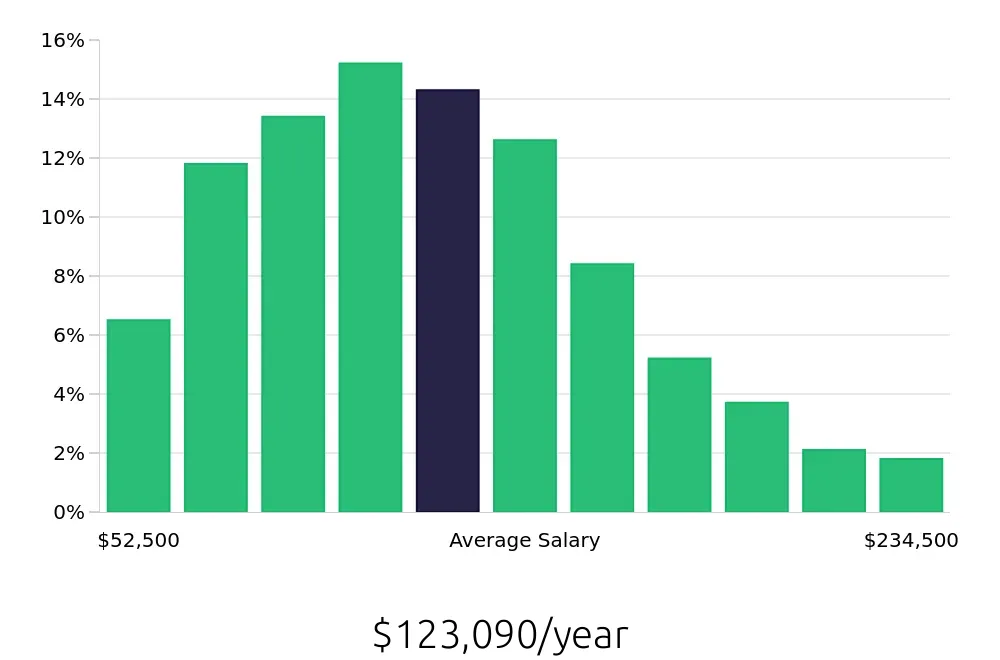
Professionals in this role can expect a competitive salary. The BLS states that the average national annual compensation is $89,650. Hourly compensation stands at $43.10. This financial reward reflects the skill and expertise required for managing investment portfolios. For job seekers, these figures highlight the attractive compensation that comes with this career path.
Currently 647 Portfolio Manager job openings, nationwide.
Continue to Salaries for Portfolio Manager