What does a Pricing Coordinator do?
A Pricing Coordinator plays a key role in maintaining a company's pricing strategy. This person works with different departments to ensure that prices for products and services are competitive and accurate. They gather data and analyze market trends to help set the best prices. The Pricing Coordinator also communicates with clients and stakeholders to explain pricing decisions. This role requires strong analytical skills and attention to detail.
The Pricing Coordinator often collaborates with marketing, sales, and finance teams. They ensure that pricing information is consistent across all channels. This includes websites, brochures, and customer communications. They also prepare reports and presentations for management. These reports provide insights into pricing strategies and their effectiveness. This position helps businesses maintain profitability and market presence. It is a critical part of any pricing strategy team.
How to become a Pricing Coordinator?
A Pricing Coordinator plays a key role in ensuring that products are priced correctly in the market. This role requires attention to detail and a solid understanding of market dynamics. If you are interested in becoming a Pricing Coordinator, follow these steps to prepare for the position.
Starting the journey to become a Pricing Coordinator involves several important steps. These steps provide a clear path from education to employment. Here are five steps to consider:
- Earn a relevant degree: Many Pricing Coordinators hold a degree in business, economics, or a related field. This education provides a solid foundation in market principles.
- Gain experience: Work in roles that involve data analysis, market research, or finance. This experience helps build skills needed for pricing analysis.
- Learn pricing software: Familiarize yourself with software used for pricing analysis, such as Excel, SPSS, or specialized pricing tools. This skill is very valuable in the job market.
- Network: Connect with professionals in the field. Attend industry events and join professional groups. Networking can lead to job opportunities.
- Apply for jobs: Look for open positions for Pricing Coordinators. Tailor your resume to highlight relevant skills and experiences.
By following these steps, job seekers can position themselves for success in the role of a Pricing Coordinator. This career path offers opportunities to work in various industries and make a significant impact on company revenue.
How long does it take to become a Pricing Coordinator?
Getting into the role of a Pricing Coordinator can vary based on experience and education. Most people start with a basic education. This often means a high school diploma or equivalent. Some choose to pursue further education, like an associate's or bachelor's degree. These degrees can help in understanding pricing strategies and business operations better.
In terms of time, the journey to becoming a Pricing Coordinator can take a few months to a couple of years. Entry-level positions often require less experience. They may need basic skills in Excel and understanding of market research. Experienced candidates may enter the field faster. They bring with them knowledge from similar roles or industries. Those who work on gaining specific skills and knowledge can usually enter the field quicker. Attending workshops or earning certifications in pricing strategies can also be helpful.
Pricing Coordinator Job Description Sample
The Pricing Coordinator plays a crucial role in ensuring accurate and competitive pricing strategies for our products. This role involves collaborating with cross-functional teams to analyze market trends, maintain pricing data, and support the sales team with pricing information.
Responsibilities:
- Collaborate with sales, marketing, and product teams to develop and maintain competitive pricing strategies.
- Analyze market trends and competitor pricing to ensure our pricing remains competitive.
- Maintain and update pricing data in the company's systems, ensuring accuracy and consistency.
- Support the sales team by providing timely and accurate pricing information and conducting price audits.
- Assist in the preparation of pricing-related reports and presentations for management.
Qualifications
- Bachelor’s degree in Business, Economics, Finance, or a related field.
- 2-4 years of experience in pricing, sales, or a related field.
- Strong analytical skills with the ability to interpret market data and trends.
- Proficiency in Microsoft Excel and familiarity with pricing software and tools.
- Excellent communication and interpersonal skills, with the ability to work cross-functionally.
Is becoming a Pricing Coordinator a good career path?
A Pricing Coordinator handles important tasks within a company. They ensure that product pricing is accurate and competitive. This role often involves working closely with the sales and marketing teams. Companies rely on them to maintain pricing strategies that support business goals. With this role, one can build strong relationships across departments.
Some benefits of being a Pricing Coordinator include the opportunity to impact revenue directly. This role can also provide insights into market trends. The job may offer stability, as pricing is a constant need for any business. However, this position can also come with challenges. It requires attention to detail and strong analytical skills. The work can be repetitive and may involve long hours during pricing updates or market research.
Consider these pros and cons before pursuing a career as a Pricing Coordinator.
- Pros:
- Direct impact on revenue and company success
- Opportunities for cross-departmental collaboration
- Insight into market trends and economic factors
- Potential for career growth and advancement
- Cons:
- Requires strong attention to detail and analytical skills
- May involve repetitive tasks and data analysis
- Potential for long hours, especially during market research or updates
- Needs to stay updated on market conditions and competitive pricing
What is the job outlook for a Pricing Coordinator?
Job seekers looking to enter the role of a Pricing Coordinator will find a promising job outlook. According to the Bureau of Labor Statistics (BLS), an average of 74,400 positions open each year in this field. This trend is expected to continue, with a projected growth of 5.1% from 2022 to 2032. This positive outlook means there will be plenty of opportunities for those seeking a stable career in pricing coordination.
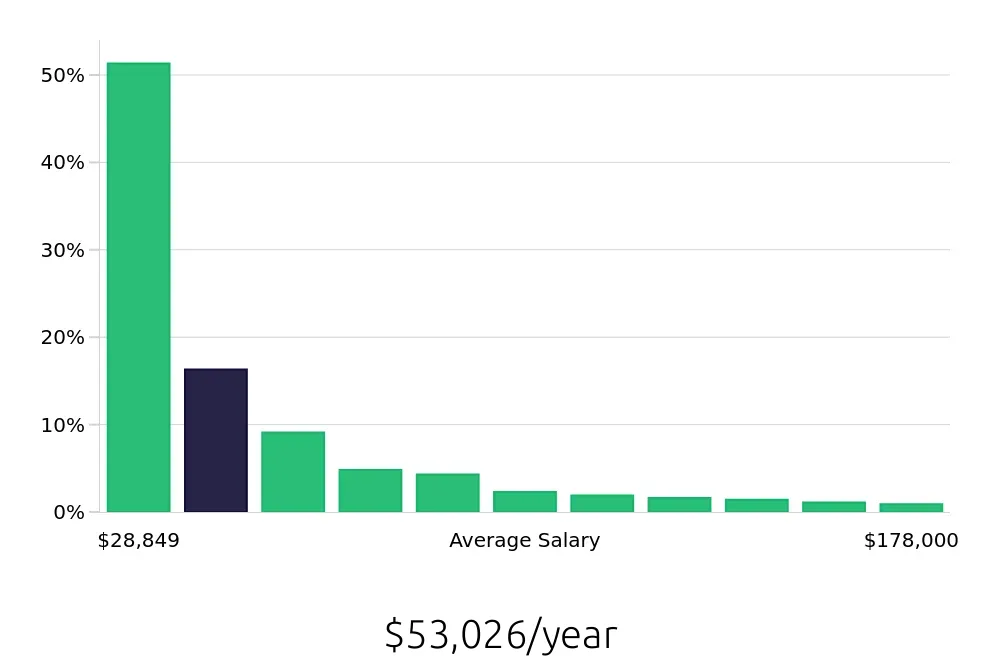
Earnings for Pricing Coordinators are also quite attractive. BLS data shows the average national annual compensation is $161,040. This figure highlights the value companies place on skilled professionals in this role. Additionally, the average hourly wage stands at $77.43, offering competitive compensation. For job seekers, these figures suggest a rewarding career in terms of both job stability and financial compensation.
For those entering this field, understanding these statistics can help in planning a successful career. With a strong job outlook and competitive salaries, becoming a Pricing Coordinator is a smart choice. Job seekers should leverage these insights to position themselves in this growing and lucrative market. Exploring roles within this sector can lead to both personal and professional growth.
Currently 397 Pricing Coordinator job openings, nationwide.
Continue to Salaries for Pricing Coordinator