What does a Probation Officer do?
A Probation Officer plays a vital role in the criminal justice system. They work with individuals who have been convicted of crimes but are not currently serving jail time. The officer's job is to help these people follow the law and avoid further trouble. This involves regular check-ins, setting up appointments, and ensuring compliance with court orders.
Probation Officers also prepare reports for the court and assist in parole hearings. They provide support and resources to help offenders turn their lives around. This may include connecting them with job training, substance abuse programs, or mental health services. The goal is to reduce recidivism and help people reintegrate into society as law-abiding citizens.
Responsibilities may include:
- Conducting home visits
- Monitoring compliance with court orders
- Assisting with rehabilitation programs
- Preparing reports for the court
- Offering guidance and support to offenders
How to become a Probation Officer?
Becoming a probation officer can be a rewarding career choice. It involves helping individuals transition back into society after serving time. This role requires patience, empathy, and a strong sense of justice. Following a clear process can help guide someone through this path.
Here are five steps to take when aiming to become a probation officer:
- Earn a high school diploma or GED. This is the first step to begin a career in this field.
- Complete a bachelor's degree. Most jurisdictions require a degree in criminal justice, sociology, or a related field. This education helps in understanding the legal system and human behavior.
- Gain experience. Volunteering or working in related fields, such as social work or corrections, can provide valuable experience.
- Apply for a position. Check job postings in local government websites or probation departments. Prepare a resume and cover letter that highlights relevant education and experience.
- Pass exams and background checks. Many areas require passing written tests and a background check. This ensures the candidate is fit for the role.
How long does it take to become a Probation Officer?
Starting a career as a Probation Officer involves several steps. Each step has its own time commitment. The total time can vary. It often depends on education, experience, and state requirements. Most often, it takes around three to four years to become a Probation Officer. This includes getting the right education and gaining necessary experience.
The first step is earning a bachelor's degree. This usually takes four years. Popular majors include criminal justice, sociology, or psychology. Some states may require a master's degree. This can take an additional two years. During this time, internships and volunteer work can be valuable. They offer experience in the field. After completing education, the next step is gaining work experience. Many states require at least one year of paid work in criminal justice. This can be in probation, corrections, or a related area. Passing a background check and any required exams comes next. This can take a few months. Once all these steps are completed, the path to becoming a Probation Officer is clear.
Probation Officer Job Description Sample
The Probation Officer is responsible for overseeing individuals who have been convicted of crimes and placed on probation. They ensure compliance with probation terms, provide guidance and support, and work closely with the court, law enforcement, and community services to facilitate rehabilitation and reduce recidivism.
Responsibilities:
- Conduct pre-sentence investigations and prepare reports for the court.
- Supervise probationers and ensure they adhere to the terms of their probation agreement.
- Conduct regular home visits and office meetings with probationers.
- Collaborate with law enforcement, social services, and community organizations to support probationers.
- Prepare and submit progress reports to the court.
Qualifications
- Bachelor’s degree in Criminal Justice, Social Work, Psychology, or a related field.
- Previous experience in law enforcement, social work, or a related field is preferred.
- Knowledge of laws, regulations, and procedures related to probation and the criminal justice system.
- Strong interpersonal and communication skills.
- Ability to work independently and as part of a team.
Is becoming a Probation Officer a good career path?
A career as a Probation Officer offers a unique opportunity to make a difference in the lives of individuals who have run into trouble with the law. This role involves working with those who have been sentenced but not yet incarcerated, providing support and monitoring to help them reintegrate into society. Probation Officers often work closely with other professionals, including social workers and psychologists, to create tailored rehabilitation plans.
Probation Officers face both rewarding and challenging aspects in their work. Understanding these can help potential candidates decide if this path suits them. Here are some pros and cons to consider when thinking about this career.
- Pros:
- Helping others: Make a positive impact on individuals' lives.
- Job stability: Government jobs often offer more security.
- Diverse work: Each case brings new challenges and experiences.
- Cons:
- Stressful situations: Dealing with troubled individuals can be tough.
- Long hours: The job may require evenings and weekends.
- Emotional toll: Witnessing difficult situations can be draining.
In summary, a career as a Probation Officer can be deeply fulfilling for those who enjoy working in the criminal justice system and are passionate about rehabilitation and support. However, it also demands resilience and a strong emotional support system.
What is the job outlook for a Probation Officer?
Looking to embark on a fulfilling career as a Probation Officer? The job market shows positive growth in this field. The Bureau of Labor Statistics (BLS) reports about 80,500 average job positions per year for Probation Officers. This indicates a steady demand for professionals in this role. With a projected job openings percent change of 7.9% from 2022 to 2032, the outlook is encouraging for job seekers.
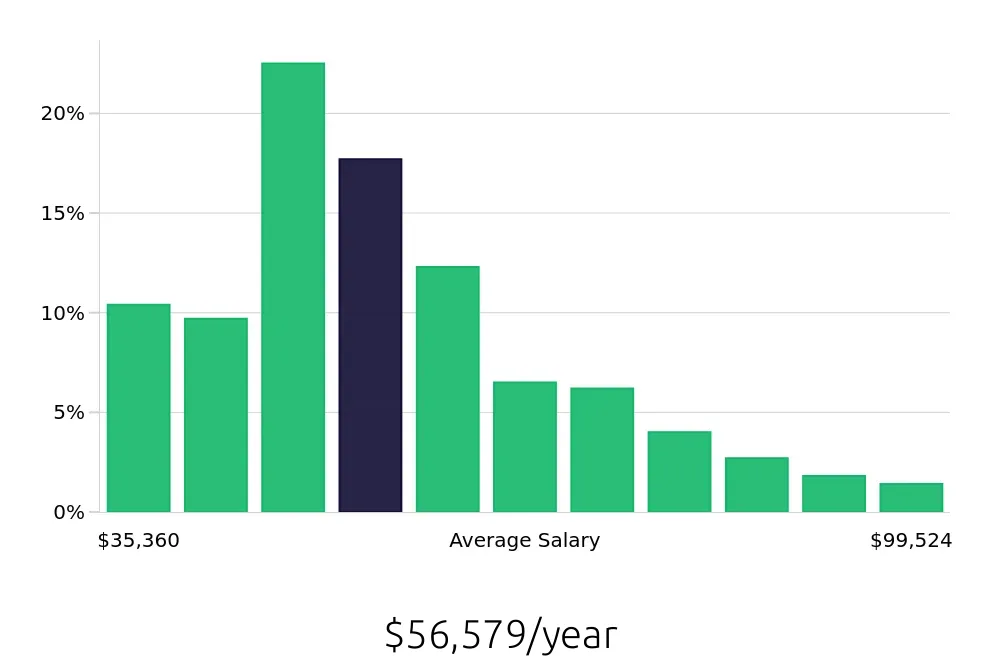
Probation Officers play a crucial role in the criminal justice system. They work to help offenders reintegrate into society. This role requires a blend of empathy and strong decision-making skills. As the number of job positions remains steady, it highlights the importance of this profession. Those who pursue this career can expect a stable job market with growth opportunities. The average national annual compensation for Probation Officers stands at $51,210, with an hourly rate of $24.62.
Interested candidates can look forward to a rewarding career with competitive pay. The BLS provides comprehensive data on job outlook and salaries. This resource can guide job seekers in making informed decisions. The combination of a growing job market and stable compensation makes this a promising career path.
Currently 356 Probation Officer job openings, nationwide.
Continue to Salaries for Probation Officer