What does a Procurement Manager do?
A Procurement Manager oversees the process of buying goods and services for a company. This involves selecting suppliers, negotiating contracts, and ensuring that the company gets the best deals. The manager works closely with different departments to understand their needs and find the best options.
The role requires strong organizational skills and attention to detail. A Procurement Manager must track orders, manage inventory, and handle any issues that arise with suppliers. Effective communication is also crucial. The manager needs to explain the procurement process to team members and liaise with external partners. Success in this role depends on the ability to balance quality, cost, and delivery timelines.
How to become a Procurement Manager?
A career as a Procurement Manager can lead to a fulfilling and rewarding journey. Procurement Managers play a crucial role in ensuring that organizations secure goods and services efficiently. To embark on this path, one must follow a structured approach.
The journey begins with acquiring the necessary educational background. A bachelor's degree in business, supply chain management, or a related field is often preferred. This education provides a solid foundation in business principles and supply chain operations. Gaining relevant work experience is the next step. Experience in procurement, supply chain, or related areas helps develop practical skills.
- Earn a Degree: Start with a relevant bachelor's degree.
- Gain Experience: Work in procurement or supply chain roles.
- Pursue Certification: Obtain certifications like C.P.M. or C.S.P.
- Develop Skills: Focus on negotiation, analytical, and strategic planning skills.
- Network: Connect with professionals in the procurement field.
Additionally, obtaining certifications such as Certified Professional in Procurement and Supply (C.P.M.) or Certified Supply Professional (C.S.P.) enhances credibility and expertise. Developing key skills, including negotiation, analytical, and strategic planning, is crucial. Networking with industry professionals also opens doors to job opportunities and career growth. Following these steps can lead to a successful career as a Procurement Manager.
How long does it take to become a Procurement Manager?
Pursuing a career as a Procurement Manager involves a mix of education, experience, and specific skill development. Most professionals in this field start with a bachelor's degree in business, supply chain management, or a related discipline. This educational foundation takes about four years to complete.
After earning a degree, gaining experience becomes crucial. Many individuals start in entry-level positions within procurement or supply chain departments. This experience helps build the necessary skills and understanding of the industry. On average, it takes about two to five years to gain enough experience to qualify for a Procurement Manager role. This time can vary based on the individual's career path, the industry, and the specific requirements of the job.
In some cases, professionals may choose to pursue additional certifications or a master's degree to enhance their qualifications. While these steps are not mandatory, they can make candidates more competitive in the job market. Overall, the journey to becoming a Procurement Manager can take anywhere from six to nine years, combining education and hands-on experience.
Procurement Manager Job Description Sample
The Procurement Manager is responsible for overseeing the procurement function within the organization. This includes sourcing, purchasing, and contract management to ensure the timely and cost-effective acquisition of goods and services. The role requires strong negotiation skills, strategic planning, and a deep understanding of market trends to optimize procurement processes and contribute to the organization's overall efficiency and effectiveness.
Responsibilities:
- Develop and implement procurement strategies aligned with organizational goals.
- Negotiate contracts and agreements with suppliers to ensure favorable terms and conditions.
- Identify and evaluate potential suppliers, ensuring compliance with quality standards and regulatory requirements.
- Conduct market research and analysis to stay informed about industry trends and pricing strategies.
- Manage the procurement budget and control spending to ensure cost-effective purchasing.
Qualifications
- Bachelor’s degree in Business Administration, Supply Chain Management, or a related field.
- Minimum of 5 years of experience in procurement or supply chain management.
- Proven track record of successful supplier negotiations and contract management.
- Strong analytical skills and proficiency in procurement software and tools.
- Excellent communication and interpersonal skills.
Is becoming a Procurement Manager a good career path?
A Procurement Manager plays a crucial role in ensuring a company buys the right goods and services at the best price. They work closely with suppliers, negotiate contracts, and manage the supply chain. This role requires a mix of analytical, organizational, and communication skills. It can be rewarding, offering growth opportunities and a stable career path.
Choosing this career path has its advantages and challenges. Consider these pros and cons before taking the leap.
- Pros:
- Stable Job: Procurement roles are in demand across various industries.
- Good Salary: Experienced managers often earn competitive salaries.
- Career Growth: Opportunities to move into higher positions like Director of Procurement.
- Variety of Work: Tasks range from negotiating deals to improving supply chain efficiency.
- Networking: Interaction with various suppliers and vendors can lead to valuable connections.
- Cons:
- Pressure: High expectations to reduce costs while maintaining quality.
- Long Hours: The job can be demanding, especially during critical procurement periods.
- Complex Negotiations: Requires strong negotiation skills and the ability to handle tough situations.
- Fast-Changing Industry: Keeping up with market trends and technologies is essential.
- Responsibility: Mistakes can lead to significant financial losses for the company.
What is the job outlook for a Procurement Manager?
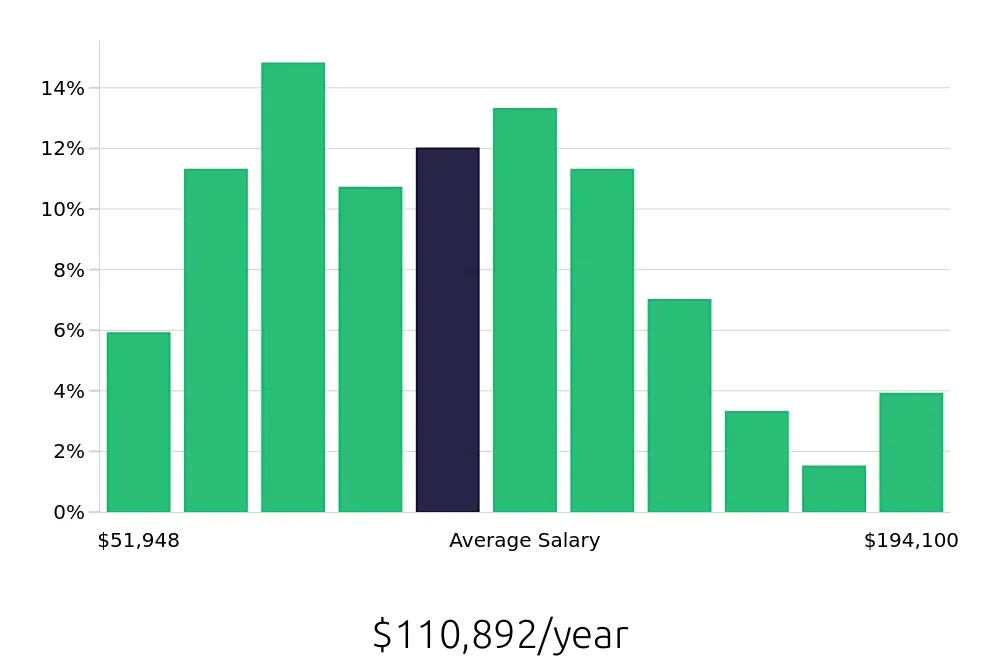
The job outlook for Procurement Managers is promising for job seekers. The Bureau of Labor Statistics (BLS) reports about 6,100 job positions available each year. This steady demand reflects a growing need for skilled professionals in this field. Averaging a national annual compensation of $146,710, Procurement Managers can expect a rewarding career with competitive pay.
Job openings for Procurement Managers are expected to increase by 4.4% from 2022 to 2032, according to the BLS. This growth indicates a positive trend in the job market. The rise in demand points to more opportunities for those entering or looking to advance in this profession. The increasing number of positions makes this a great time for job seekers to explore Procurement Manager roles.
In addition to a growing number of job openings, the BLS reports an average national hourly compensation of $70.53 for Procurement Managers. This figure highlights the financial benefits of pursuing a career in procurement. High compensation paired with strong job outlooks makes this a lucrative career path. For those considering a change, the combination of stability and rewarding pay makes Procurement Management an attractive choice.
Currently 533 Procurement Manager job openings, nationwide.
Continue to Salaries for Procurement Manager