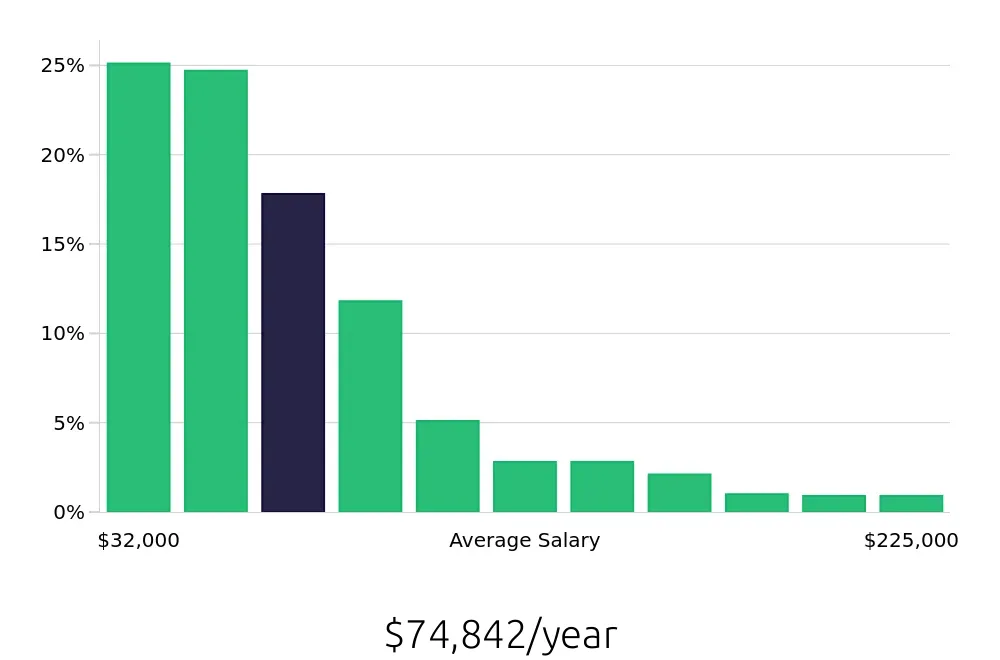
What does a Program Director do?
A Program Director oversees and coordinates various programs within an organization. This role ensures programs run smoothly and meet their goals. The Program Director leads a team of program managers and staff. They plan, organize, and implement program activities. They also manage budgets and resources. The Program Director monitors program performance and reports on results. They work closely with other departments to align programs with the organization's mission.
The Program Director plays a key role in strategic planning. They identify areas for improvement and develop new initiatives. This role requires strong leadership and communication skills. The Program Director must be able to motivate and guide their team. They must also handle challenges and conflicts effectively. A Program Director often works with stakeholders, including funders, partners, and community members. They ensure everyone involved understands the program's objectives and progress. This position demands attention to detail and a commitment to excellence.
How to become a Program Director?
A Program Director plays a critical role in overseeing and managing various programs within an organization. To become a Program Director, it is essential to follow a structured process that includes gaining relevant experience, acquiring necessary skills, and earning appropriate education. Here’s how to embark on this professional journey.
First, gain experience in program management or a related field. This could involve working as a project manager, coordinator, or in a similar role. Seek opportunities that allow you to develop skills in planning, budgeting, and team leadership. Second, focus on acquiring specific skills such as strategic planning, risk management, and effective communication. These skills are crucial for managing programs successfully. Third, consider obtaining relevant education or certifications. A bachelor’s degree in business, management, or a related field is often required, and additional certifications can enhance your qualifications. Fourth, build a professional network by attending industry conferences, joining professional associations, and connecting with peers and mentors. Networking can provide valuable insights and opportunities. Finally, apply for Program Director positions that match your skills and experience. Tailor your resume and cover letter to highlight your relevant experience and achievements.
By following these steps, professionals can position themselves for success in becoming a Program Director. With dedication and the right approach, this career path can lead to rewarding and impactful opportunities.
- Gain experience in program management or a related field.
- Acquire specific skills such as strategic planning, risk management, and effective communication.
- Obtain relevant education or certifications.
- Build a professional network.
- Apply for Program Director positions.
How long does it take to become a Program Director?
The journey to becoming a Program Director varies by individual. Most often, it takes several years of education and experience. A bachelor's degree in a relevant field is the starting point. Common areas include business administration, public administration, or a related discipline. This education lays the groundwork for understanding program management.
After earning a bachelor's degree, gaining experience is key. Many start in entry-level positions within their field. They work their way up through roles such as program manager or assistant director. This experience builds essential skills. These include project management, leadership, and strategic planning. Gaining relevant experience typically takes two to five years. Some may choose to further their education with a master’s degree. This step can enhance career prospects and open more advanced roles.
Overall, the timeline to become a Program Director can range from four to eight years. This path requires dedication and a commitment to continuous learning. Each step builds the foundation needed for a successful career in program leadership.
Program Director Job Description Sample
The Program Director will be responsible for overseeing and managing the organization's programs and initiatives, ensuring alignment with strategic goals and objectives. The Program Director will lead a team of professionals, manage budgets, and ensure the successful execution of programs.
Responsibilities:
- Develop and implement program strategies and initiatives in alignment with the organization's mission and goals.
- Manage and oversee program budgets, ensuring efficient use of resources and fiscal responsibility.
- Lead and mentor a team of program staff, providing guidance and support to ensure successful program delivery.
- Collaborate with cross-functional teams to coordinate program activities and ensure seamless integration with other organizational initiatives.
- Conduct regular program evaluations to assess effectiveness and identify areas for improvement.
Qualifications
- Bachelor's degree in a relevant field; Master's degree preferred.
- Minimum of 5-7 years of experience in program management, with a track record of successfully leading and implementing programs.
- Strong leadership and team management skills.
- Excellent strategic thinking and problem-solving abilities.
- Proven ability to manage budgets and financial resources effectively.
Is becoming a Program Director a good career path?
A Program Director oversees specific programs within a company or organization. They ensure programs run smoothly and achieve their goals. This role involves coordinating teams, managing budgets, and reporting to higher management. Companies in various sectors, like healthcare, education, and non-profits, often have Program Director positions.
Choosing a career as a Program Director has its benefits and challenges. Below are some pros and cons to consider when thinking about this career path.
- Pros:
- Leadership Role: This role offers the chance to lead and inspire others.
- Impactful Work: Program Directors make a real difference in their field.
- Job Opportunities: Many sectors need Program Directors, offering diverse job choices.
- Skill Development: This position helps build strong management and communication skills.
- Cons:
- High Responsibility: The role comes with significant accountability and pressure.
- Long Hours: Managing programs can lead to long and unpredictable hours.
- Stress: Balancing multiple tasks and deadlines can be stressful.
- Dependency on Others: Success often depends on the performance of the team.
What is the job outlook for a Program Director?
Job seekers interested in the role of a Program Director can look forward to a positive job outlook. According to the Bureau of Labor Statistics (BLS), there are about 25,200 job positions available each year. This outlook shows strong demand and stability for professionals in this field. The BLS also projects a 5.6% increase in job openings from 2022 to 2032. This trend suggests that more opportunities will become available as time goes on.
For those considering this career path, the compensation is another important factor. The average national annual salary for Program Directors is $100,860, as reported by the BLS. This figure reflects the value employers place on experienced and skilled program directors. The average hourly wage stands at $48.49, which indicates a competitive pay rate for the responsibilities involved. These figures make the role both attractive and rewarding for professionals with the right qualifications.
Overall, the job outlook for Program Directors is promising. With steady job openings and competitive salaries, it is an excellent career choice for many job seekers. Those who meet the requirements and qualifications will find a supportive and growing industry. Exploring these opportunities can lead to a fulfilling and lucrative career.
Currently 1,840 Program Director job openings, nationwide.
Continue to Salaries for Program Director