What does a Program Specialist do?
A Program Specialist plays an important role in ensuring that programs run smoothly. They work closely with team members to plan, organize, and manage different aspects of a program. A Program Specialist keeps track of all the details, making sure that everything happens on time and according to plan.
Responsibilities often include coordinating activities, preparing reports, and communicating with stakeholders. This role requires a mix of organizational skills and attention to detail. The Program Specialist helps to identify any issues and finds solutions to keep the program moving forward. Their goal is to support the team and make sure the program meets its objectives.
How to become a Program Specialist?
Becoming a Program Specialist involves several clear steps. This role often requires specific education and experience. The following process outlines how to prepare for this career.
First, earning a bachelor's degree in a related field is essential. Programs in business administration, public administration, or a related discipline provide a strong foundation. Gaining practical experience through internships or entry-level positions enhances the resume. Developing skills in project management, communication, and organization proves beneficial. Networking within the industry opens doors to job opportunities. Finally, obtaining relevant certifications can boost job prospects and demonstrate expertise.
To start, obtain a bachelor's degree in a relevant field. Common degrees include business administration, public administration, or social sciences. After graduation, seek internships or entry-level jobs to gain experience. This helps in understanding the job requirements and building a strong resume. Develop key skills such as project management, communication, and organization through coursework and practical experience. Networking with professionals in the field can lead to job opportunities. Finally, consider obtaining certifications to enhance qualifications and show dedication to the career.
Following these steps can help anyone become a Program Specialist. The key is to focus on education, experience, and skill development. With dedication and effort, it is possible to succeed in this role.
- Earn a bachelor's degree in a related field.
- Gain experience through internships or entry-level positions.
- Develop key skills such as project management and communication.
- Network with professionals in the industry.
- Obtain relevant certifications.
How long does it take to become a Program Specialist?
A Program Specialist role often requires a mix of education and experience. Most specialists need at least a bachelor's degree in a relevant field. This usually takes four years to complete. Some roles may prefer or require a master's degree, adding another two years to the timeline.
Gaining practical experience can take additional time. Many positions favor candidates with internship or entry-level experience. This can range from a few months to a couple of years. Networking and professional development also play a key role. Attending workshops, conferences, and joining professional organizations can speed up the process. Each step builds skills and knowledge, making it easier to land a Program Specialist job.
Program Specialist Job Description Sample
The Program Specialist is responsible for supporting and managing various programs within an organization. They work closely with team members to ensure program objectives are met and stakeholders are satisfied. The role involves coordination, planning, and execution of program activities.
Responsibilities:
- Assist in the development and implementation of program plans and objectives.
- Coordinate and facilitate program activities, ensuring timely and efficient execution.
- Support program staff in achieving program goals and objectives.
- Conduct regular program evaluations and prepare reports on program progress and outcomes.
- Maintain accurate records and documentation related to program activities.
Qualifications
- Bachelor’s degree in Business Administration, Public Administration, or a related field.
- Minimum of 2 years of experience in program management or a related role.
- Strong organizational and time management skills.
- Excellent written and verbal communication skills.
- Ability to work collaboratively in a team environment.
Is becoming a Program Specialist a good career path?
A Program Specialist plays a crucial role in overseeing and managing specific programs within an organization. They ensure that programs run smoothly and meet their goals. This role often involves coordinating activities, managing budgets, and reporting on program outcomes. A Program Specialist works in various industries, including government, healthcare, education, and non-profits.
This career offers several benefits. Program Specialists often enjoy job stability since programs are usually ongoing. They have the chance to make a direct impact by helping programs succeed. This role can also lead to advancement opportunities within the organization. However, there are some considerations to keep in mind. The job can be demanding, with tight deadlines and high expectations. It may require long hours, especially during program launches or evaluations. Program Specialists must also be flexible, as programs and priorities can change quickly.
Here are some pros and cons to consider:
- Pros:
- Job stability in various industries.
- Opportunities to make a direct impact on programs.
- Potential for career advancement.
If you enjoy working in a dynamic environment and want to support meaningful programs, this role might be ideal.
- Cons:
- Demanding work schedule with tight deadlines.
- Potential for high stress during critical program phases.
- Need for flexibility as programs evolve.
What is the job outlook for a Program Specialist?
Program Specialists play a vital role in many organizations, coordinating and managing various programs. The U.S. Bureau of Labor Statistics (BLS) reports around 14,100 job openings annually for Program Specialists, indicating steady demand in the field. This outlook promises job security and opportunities for those entering the profession.
The BLS also forecasts a 2.2% increase in job openings from 2022 to 2032. This positive growth suggests that the demand for skilled Program Specialists will continue to rise. As a result, job seekers with the right qualifications and experience can expect a favorable job market.
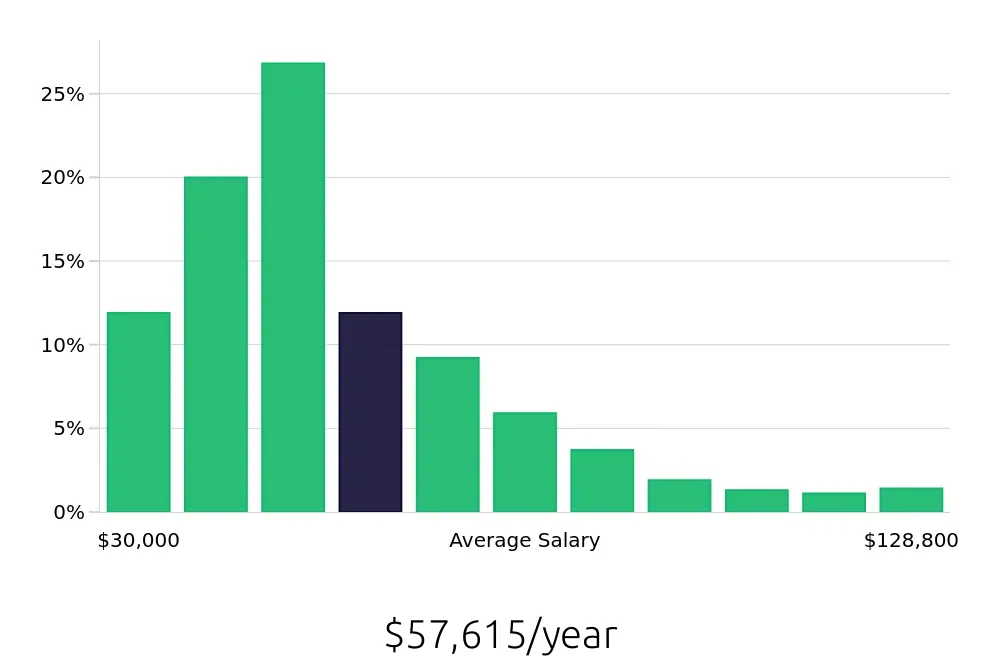
In terms of compensation, Program Specialists can earn a strong average national annual salary of $51,840. Additionally, the average hourly wage stands at $24.92. These figures highlight the financial rewards that come with a career in program management. The combination of a stable job outlook and competitive compensation makes this a promising career choice for job seekers.
Currently 750 Program Specialist job openings, nationwide.
Continue to Salaries for Program Specialist