What does a Records Specialist do?
A Records Specialist organizes and manages important documents and files. They ensure all records are accurate and accessible when needed. This role often involves categorizing information, maintaining filing systems, and digitizing documents. Keeping records up to date helps the organization run smoothly and comply with regulations.
The Records Specialist also works with different teams to understand their documentation needs. They might assist in retrieving specific records for audits or legal purposes. Attention to detail is key, as is the ability to handle sensitive information with care. This position requires strong organizational skills and a commitment to accuracy. A Records Specialist plays a crucial part in maintaining efficient record-keeping practices within a company.
Responsibilities of a Records Specialist include:
- Organizing physical and digital files
- Maintaining accurate records for easy retrieval
- Assisting in audits and legal requests
- Ensuring compliance with regulations
- Working with teams to understand record-keeping needs
How to become a Records Specialist?
Becoming a Records Specialist is a rewarding career choice that demands attention to detail and a methodical approach. This profession involves organizing, maintaining, and securing important documents and data. The steps to achieving this role involve gaining the necessary skills and experience to excel in the field.
A clear path leads to a successful career in records management. Follow these steps to embark on this professional journey:
- Earn a High School Diploma: Start with a high school education. This is the foundational step needed to pursue higher education or vocational training.
- Pursue Higher Education or Training: Consider a degree in business administration, information management, or a related field. Alternatively, obtain a certificate in records management from a community college or professional organization.
- Gain Relevant Experience: Work in positions that involve handling documents, databases, or filing systems. Experience in administrative roles can be valuable.
- Develop Key Skills: Focus on enhancing skills such as organization, attention to detail, and proficiency in computer software. Familiarity with databases and record-keeping software is crucial.
- Obtain Certification: Consider getting certified through organizations like the Association of Records Managers and Administrators (ARMA). Certification can boost credibility and open more job opportunities.
How long does it take to become a Records Specialist?
The journey to becoming a Records Specialist varies based on several factors, including education, experience, and certifications. Generally, a person can enter this field with a high school diploma and on-the-job training, which could take a few months. However, those seeking to advance often pursue higher education or specialized training.
Most employers prefer candidates with an associate’s degree in records management or a related field. This typically takes about two years to complete. Some may opt for a bachelor’s degree, extending the time to four years. Gaining practical experience through internships or entry-level positions while in school can also help speed up the process. Certifications, like the Certified Records Manager (CRM) credential, can further boost a job seeker's qualifications. These certifications may require additional study and exam preparation, adding a few months to the timeline. By combining education, training, and experience, professionals can position themselves for a successful career as a Records Specialist.
Records Specialist Job Description Sample
The Records Specialist is responsible for managing, organizing, and maintaining the company's records and documents in compliance with legal and company policies. This role ensures the accuracy, confidentiality, and accessibility of records and supports the efficient operation of the organization.
Responsibilities:
- Organize, maintain, and manage physical and electronic records according to company policies and legal requirements.
- Develop and implement records management policies, procedures, and guidelines.
- Classify, label, and index records for easy retrieval and access.
- Ensure the security and confidentiality of records, adhering to privacy laws and regulations.
- Conduct regular audits and reviews of records to ensure compliance with company policies and legal standards.
Qualifications
- Bachelor’s degree in Records Management, Information Management, Business Administration, or a related field.
- Certification in Records Management (e.g., Certified Records Manager (CRM)) is preferred.
- Proven experience in records management, preferably in a corporate or similar environment.
- Strong understanding of records management principles, practices, and legal requirements.
- Excellent organizational and attention to detail.
Is becoming a Records Specialist a good career path?
A Records Specialist manages important documents and files. This job fits those who enjoy working with information and keeping things organized. Specialists handle records in offices, hospitals, or government agencies. They often work with computer systems to store and retrieve files.
A career as a Records Specialist offers both benefits and challenges. Here are some key points to consider:
- Pros:
- Stable job with demand in many sectors.
- Opportunity to work in various environments.
- Skills in organization and attention to detail are crucial.
- Potential for career advancement into management roles.
- Cons:
- Work can be repetitive and require careful attention.
- Often involves long hours sitting at a desk.
- Limited opportunities for direct interaction with clients.
- Job growth may be slow compared to other professions.
What is the job outlook for a Records Specialist?
The Records Specialist job market shows a steady demand for professionals who manage, organize, and secure important documents and data. The Bureau of Labor Statistics (BLS) reports that there are an average of 8,800 job positions available each year. This consistent need highlights the crucial role Records Specialists play in various industries.
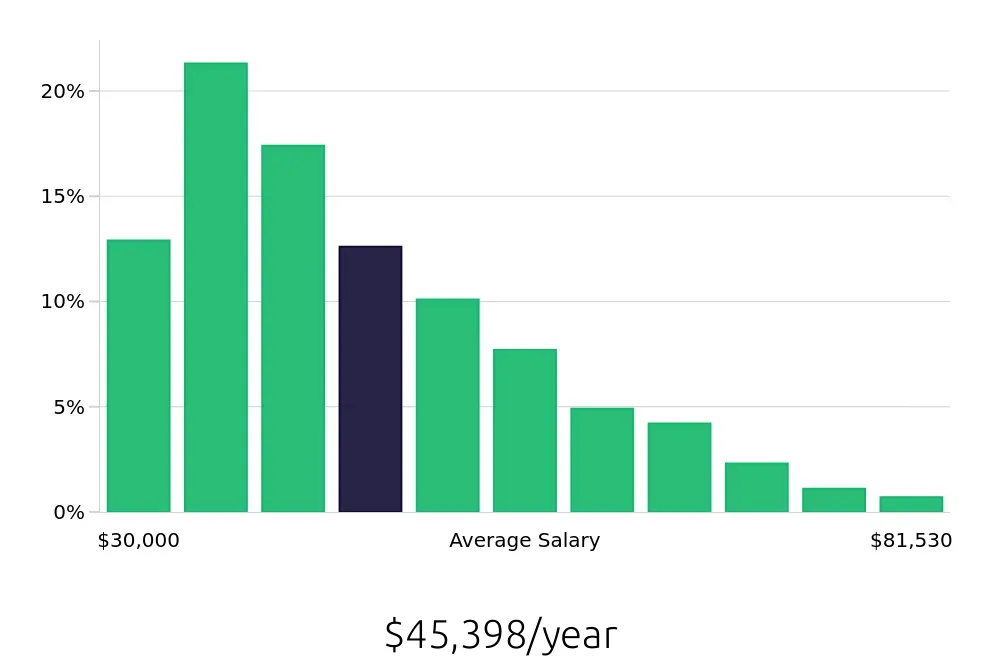
While the BLS predicts a slight decrease of 16% in job openings from 2022 to 2032, this projection does not indicate a declining importance of the role. Instead, it may suggest a shift towards more efficient record-keeping systems and automation. This change offers opportunities for Records Specialists to adapt and innovate in their practices. The average national annual compensation for this role stands at $40,730, with an hourly rate of $19.58, reflecting the value placed on their skills and expertise.
Job seekers looking to enter or advance in the Records Specialist field can find opportunities in diverse sectors such as healthcare, finance, and government. Continuous professional development and staying updated with new technologies can enhance career prospects and job security in this evolving landscape. The role remains vital for ensuring data integrity and compliance, making it an attractive option for those with a keen eye for detail and strong organizational skills.
Currently 379 Records Specialist job openings, nationwide.
Continue to Salaries for Records Specialist