What does a Regulatory Affairs Specialist do?
A Regulatory Affairs Specialist plays a crucial role in ensuring that companies comply with regulations. This person works with laws and guidelines set by government agencies. They review and interpret these rules to help businesses stay on the right side of the law. This job involves a lot of research and communication. Specialists often interact with regulatory bodies to represent their company.
The Regulatory Affairs Specialist also prepares documentation. This includes submissions to regulatory agencies and internal reports. This person must be detail-oriented to ensure all information is accurate and complete. They work closely with other departments, such as legal, quality assurance, and product development. This role helps to ensure that products meet all regulatory requirements before they reach the market. It is a key position for maintaining compliance and driving business success.
How to become a Regulatory Affairs Specialist?
Becoming a Regulatory Affairs Specialist involves gaining knowledge in a specialized field and obtaining the necessary qualifications. This career path requires dedication and a specific skill set. Following the right steps can lead to a successful career in this industry.
To start, one should research the qualifications needed to enter the field. Understanding the educational requirements and certifications will provide a clear direction. The next step involves gaining relevant experience through internships or entry-level positions in regulatory affairs. This hands-on experience is crucial for developing practical skills. Building a professional network can also be beneficial, as connections in the industry can lead to job opportunities. Continuous education and staying updated on regulatory changes are essential for long-term success. Networking with industry professionals through seminars and conferences can open doors to new career paths.
Here are the key steps to becoming a Regulatory Affairs Specialist:
- Research qualifications
- Gain relevant experience
- Build a professional network
- Continue education
- Stay updated on regulations
How long does it take to become a Regulatory Affairs Specialist?
The journey to becoming a Regulatory Affairs Specialist varies based on several factors. Most people enter this field with a bachelor’s degree. Common majors include biology, chemistry, or a related science. After earning a degree, gaining experience through internships or entry-level positions helps build a solid foundation.
Additional education, such as a master's degree or specialized certifications, can shorten the timeline. On average, it takes about four to six years to become fully qualified. Some professionals may take longer to gain the necessary experience and certifications. Employers often look for candidates with a mix of education and real-world experience when hiring Regulatory Affairs Specialists.
Regulatory Affairs Specialist Job Description Sample
The Regulatory Affairs Specialist is responsible for ensuring compliance with all applicable regulatory requirements across various regions. This role involves close collaboration with cross-functional teams to develop and implement regulatory strategies that align with company goals and objectives.
Responsibilities:
- Develop and maintain relationships with regulatory bodies to ensure compliance with all applicable regulations.
- Provide regulatory guidance to cross-functional teams, including R&D, Marketing, and Operations.
- Prepare and submit regulatory submissions and documentation to regulatory authorities.
- Monitor and analyze regulatory changes and industry trends to ensure ongoing compliance.
- Coordinate with legal and compliance teams to resolve regulatory issues and mitigate risks.
Qualifications
- Bachelor's degree in Life Sciences, Regulatory Affairs, or related field; advanced degree preferred.
- Minimum of 5 years of experience in regulatory affairs, preferably in the pharmaceutical, biotechnology, or medical device industry.
- In-depth knowledge of regulatory requirements and processes, including FDA, EMA, and other international regulatory bodies.
- Strong understanding of regulatory compliance, quality systems, and Good Manufacturing Practices (GMP).
- Excellent written and verbal communication skills.
Is becoming a Regulatory Affairs Specialist a good career path?
A Regulatory Affairs Specialist plays a key role in the healthcare and pharmaceutical industries. This role involves ensuring that products meet all regulatory requirements before they can go to market. Specialists work with government agencies and other stakeholders to navigate complex laws and guidelines.
The career offers many benefits and some challenges. Working in this field allows professionals to make a real impact on public health. They help ensure that new products are safe and effective. Specialists often have the chance to travel for work, which can add variety to their routine. Additionally, this career path often includes opportunities for growth and specialization.
However, there are also some challenges to consider. The regulatory environment can be complex and ever-changing. Specialists need to stay updated on new laws and guidelines, which can require ongoing education. The job can be stressful, especially when dealing with tight deadlines or high-stakes projects. Some professionals may find the workload to be demanding, especially during busy periods.
Here are some pros and cons to think about:
- Pros:
- Helps improve public health
- Opportunities for travel
- Potential for career growth
- Cons:
- Complex regulatory environment
- Need for ongoing education
- Potential for high-stress levels
- Demanding workload during peak times
What is the job outlook for a Regulatory Affairs Specialist?
The job outlook for Regulatory Affairs Specialists is promising, offering a stable career path with plenty of opportunities. The U.S. Bureau of Labor Statistics reports that an average of 31,000 positions open each year. This steady demand reflects the growing importance of regulatory compliance across various industries. With companies needing to navigate complex regulations, Regulatory Affairs Specialists play a crucial role in ensuring adherence to laws and guidelines.
The outlook is even better with a projected percent change of 4.6% from 2022 to 2032. This growth is driven by increased regulatory requirements in healthcare, technology, and environmental sectors. As businesses expand and adapt to new laws, the need for skilled professionals who can manage these changes will continue to rise. This trend makes Regulatory Affairs a lucrative field for job seekers looking for long-term stability and growth.
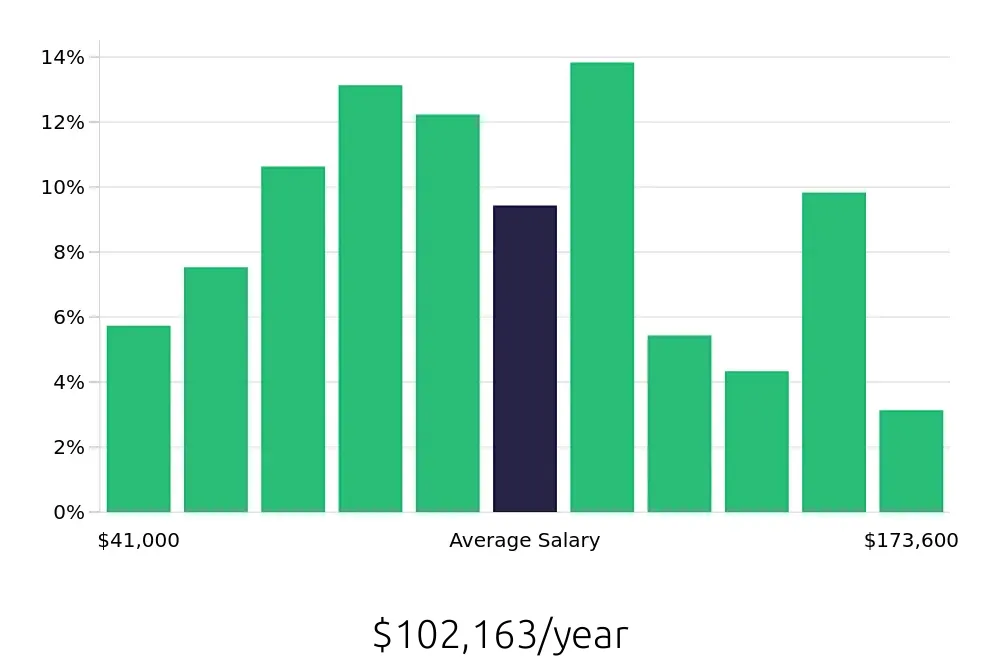
In terms of compensation, Regulatory Affairs Specialists enjoy a strong earning potential. The average national annual salary stands at $80,190. This figure highlights the value placed on expertise in this field. Hourly compensation averages around $38.55, offering a competitive edge. Such figures make this career choice attractive for those seeking not just job security but also a rewarding salary package.
Currently 157 Regulatory Affairs Specialist job openings, nationwide.
Continue to Salaries for Regulatory Affairs Specialist